
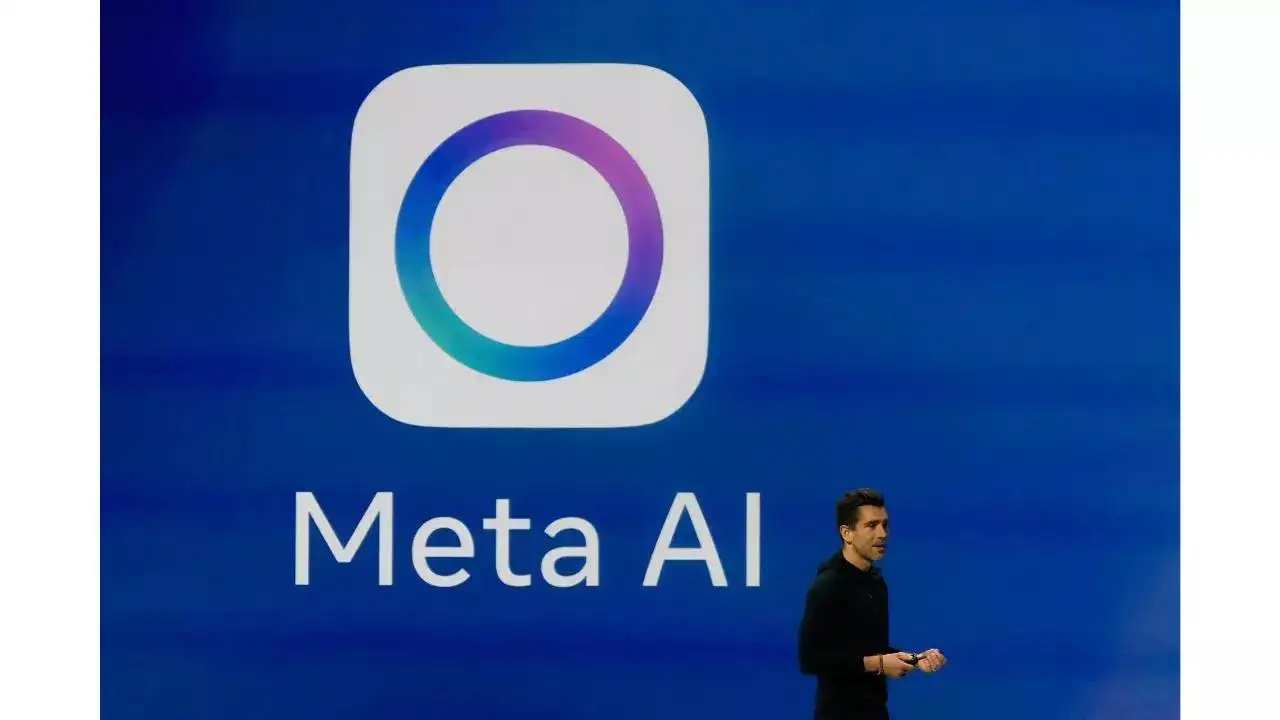
Meta’s ambitious artificial intelligence initiative has crossed a major milestone, according to CEO Mark Zuckerberg. Speaking at a recent event, Zuckerberg revealed that the Meta AI assistant—integrated across Facebook, Instagram, WhatsApp, and other platforms—now handles over one billion user interactions every month.
The milestone underscores Meta’s deepening commitment to AI, as the company races to compete with other tech giants like OpenAI, Google, and Microsoft in the fast-evolving generative AI space.
A Quiet Rise to Mass Adoption
Meta AI has been gradually rolled out over the past year, embedded directly into the company’s major apps. Users can ask questions, generate images, get help writing messages or captions, or explore creative ideas—all powered by Meta’s large language models, notably LLaMA (Large Language Model Meta AI).
Zuckerberg emphasized that this widespread use reflects Meta’s goal of making powerful AI tools widely accessible:
“Our vision is to build the most useful AI assistant in the world, available for free across all our apps. Hitting a billion monthly interactions shows that people are really using and benefiting from it.”
More Than a Chatbot
Meta AI is not just a conventional chatbot. It's built into everyday interactions across Meta’s platforms. For example:
-
On Instagram, users can ask Meta AI for help brainstorming Reel ideas or drafting captions.
-
On Facebook, it can summarize group discussions or answer factual questions.
-
On WhatsApp and Messenger, Meta AI serves as a personal assistant for planning, reminders, and even entertainment.
The assistant can also generate images on the fly, using Meta’s text-to-image technology based on its Emu model. Users can describe a scene and receive a visual rendering almost instantly.
A Strategic AI Play
The billion-use figure gives Meta a strong foothold in the consumer AI assistant space. While rivals like OpenAI’s ChatGPT and Google’s Gemini are also seeing high user engagement, Meta’s strategy is notably different: it focuses on deeply embedding AI into social and messaging platforms rather than offering a standalone app.
This integration gives Meta an advantage—it doesn’t require users to download or sign up for anything new. The assistant is just “there” in the apps people are already using.
Looking Ahead
Zuckerberg hinted that the company will continue to refine Meta AI, improve the performance of the underlying LLaMA models, and potentially expand into hardware. A rumored AI-enhanced pair of Ray-Ban smart glasses is already on the market, offering a voice-powered interface that connects to Meta AI.
Industry analysts see this as part of Meta’s long-term vision to build a fully integrated AI ecosystem—from mobile to wearables to the metaverse.
Privacy and Transparency Concerns
As with any AI system, Meta AI’s rise has prompted questions about data usage and transparency. Meta has stated that the AI models are trained on publicly available data and licensed sources, though the specifics remain under scrutiny. The company maintains that private user data, such as chats and posts, is not used to train the models unless explicitly permitted.
Conclusion
With over a billion monthly interactions, Meta AI is now a central feature of the digital experience for millions worldwide. While it still faces competition and regulatory challenges, its rapid adoption marks a significant moment in the mainstreaming of AI-powered assistants.