
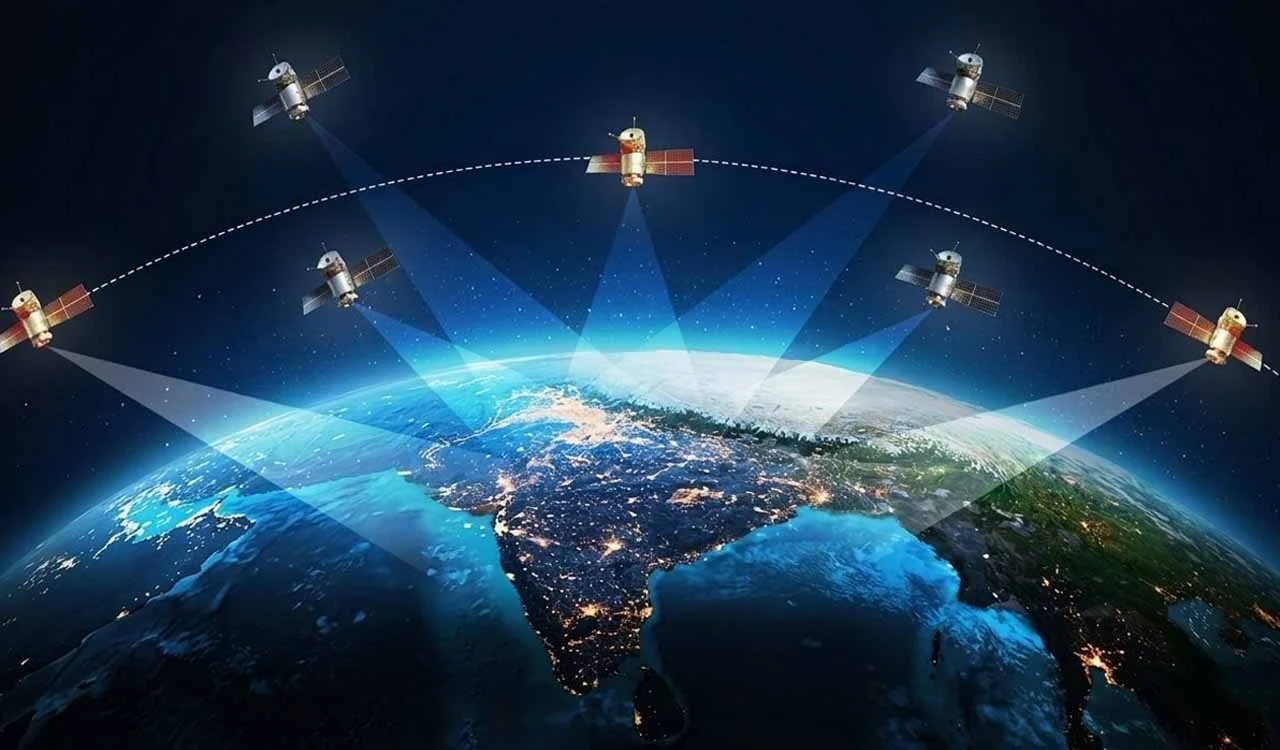
India’s indigenous satellite navigation system, NavIC (Navigation with Indian Constellation), is facing renewed scrutiny after experts highlighted its limited usability for critical security operations. Designed as a regional alternative to GPS, NavIC was expected to strengthen India’s strategic independence, particularly in defense and surveillance. However, recent technical and operational challenges have raised concerns about its reliability in high-stakes scenarios.
Technical Glitches and Satellite Failures
According to space and defense analysts, a number of NavIC satellites have encountered issues, including failures in atomic clocks—key components that ensure precise positioning. These disruptions have affected the system’s overall accuracy and continuity. With some satellites either partially functional or beyond their intended lifespan, the constellation is currently operating below optimal strength.
Impact on Defense and Strategic Operations
Experts argue that the setbacks limit NavIC’s effectiveness in supporting real-time military applications such as missile guidance, troop movement tracking, and border surveillance. In critical situations, even minor inaccuracies or signal disruptions can have significant consequences. As a result, Indian defense agencies may still need to rely on foreign systems like the U.S.-based GPS for certain operations.
Delays in Next-Generation Satellites
Efforts to upgrade NavIC with next-generation satellites have reportedly faced delays. The Indian Space Research Organisation (ISRO) has been working on launching improved satellites equipped with more robust atomic clocks and enhanced signals, including compatibility with consumer devices. However, slow deployment timelines have added to concerns about system readiness.
Limited Civilian Adoption Adds to Challenges
NavIC’s limited integration into smartphones and commercial technologies has also restricted its widespread use. Although recent developments have seen some chipset manufacturers enabling NavIC support, adoption remains far behind global systems. This lack of ecosystem support further reduces the incentive for rapid upgrades and investment.
Calls for Urgent Revamp and Investment
Industry experts and policymakers are now calling for accelerated investment in NavIC infrastructure. Strengthening satellite redundancy, improving ground systems, and ensuring faster deployment of replacements are seen as essential steps. Some analysts have also suggested expanding NavIC’s coverage beyond the current regional footprint to enhance its global competitiveness.
Strategic Autonomy at Stake
NavIC was envisioned as a cornerstone of India’s technological sovereignty, reducing dependence on foreign navigation systems. The current setbacks underscore the complexities involved in maintaining a reliable satellite network and highlight the urgent need for corrective measures to safeguard national security interests.