
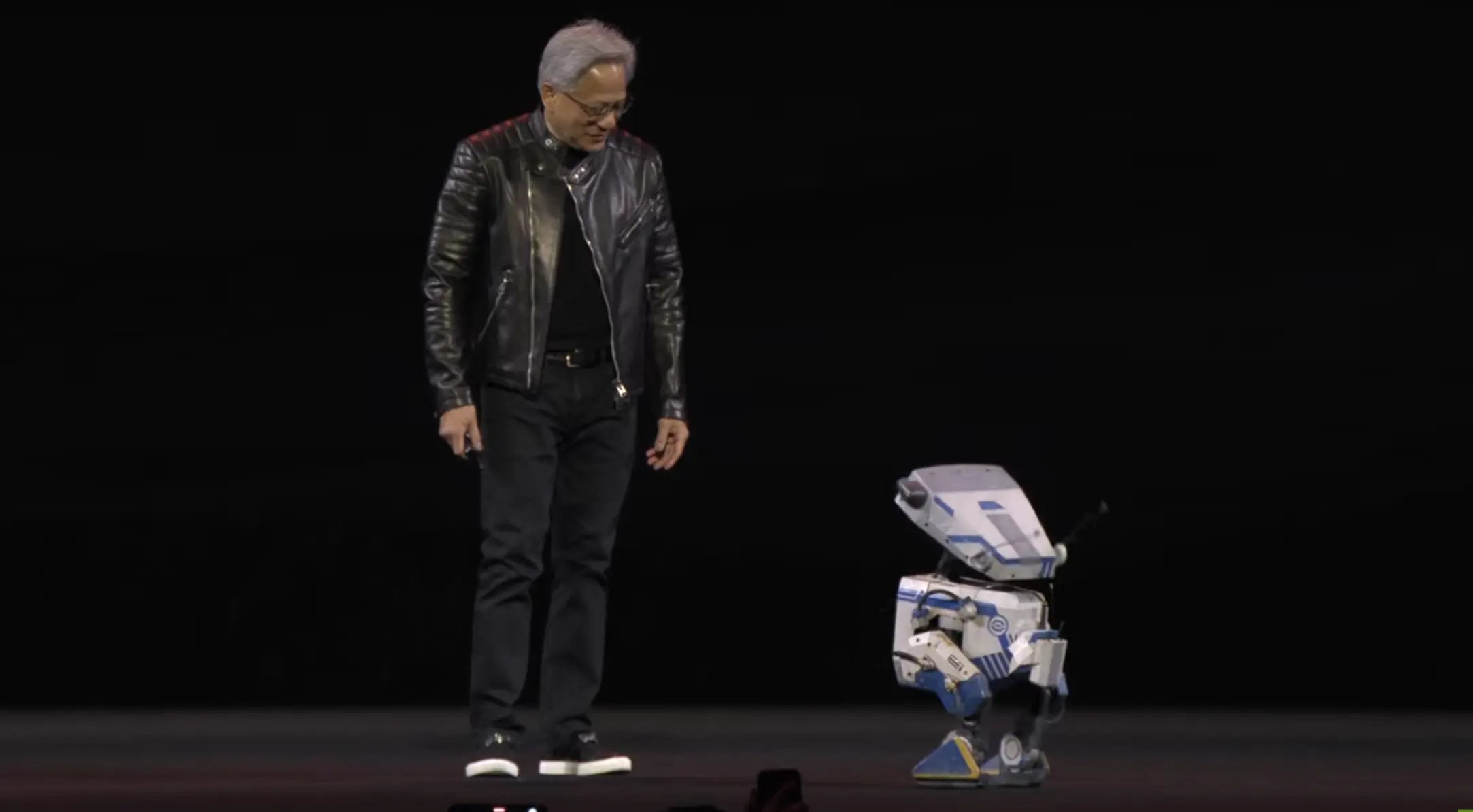
Key Points:
-
Nvidia CEO Jensen Huang predicts humanoid robots will soon become a reality in daily life.
-
Advances in AI, robotics, and computing power are accelerating robot development.
-
AI-powered robots could revolutionize industries like manufacturing, logistics, and healthcare.
-
Nvidia’s latest technology enables robots to learn and interact in real time.
-
Challenges remain in affordability, adaptability, and public acceptance of humanoid robots.
Humanoid Robots: No Longer Just Science Fiction
San Jose, March 20, 2025 – The future of humanoid robots may arrive sooner than expected, according to Nvidia CEO Jensen Huang. Speaking at a recent AI and robotics conference, Huang emphasized that rapid advances in artificial intelligence and computing power are pushing the development of intelligent, human-like robots at an unprecedented pace.
“AI and robotics are evolving at an extraordinary speed. We are on the verge of a technological leap where humanoid robots will no longer be science fiction but an integral part of everyday life,” Huang stated during his keynote speech.
Industry-Wide Transformations
He highlighted that Nvidia’s latest innovations in AI-driven simulations and real-time computing are paving the way for robots capable of learning, adapting, and interacting with humans more naturally. The implications of this breakthrough extend across multiple industries.
-
Manufacturing & Logistics: Intelligent robots could automate complex tasks and enhance productivity.
-
Healthcare: AI-powered assistants could support medical professionals in patient care.
-
Workforce Collaboration: The future may involve close human-robot cooperation rather than outright replacement.
Nvidia’s Role in the AI-Powered Future
Nvidia’s advancements in AI model training, digital twin simulations, and high-performance GPUs allow robots to process vast amounts of data instantly, enabling them to respond to their environments in real time. However, Huang acknowledged that there are still hurdles to overcome.
-
Affordability: Making robots cost-effective for widespread adoption.
-
Adaptability: Ensuring robots can function in varied work environments.
-
Public Acceptance: Addressing societal concerns and trust in humanoid robots.
A New Era of Robotics
Despite these challenges, tech leaders and researchers believe we are entering a new era of robotics. As AI continues to evolve, humanoid robots could soon become as common in workplaces and homes as smartphones and computers are today.
“The potential of AI-powered robotics is limitless,” Huang concluded. “The revolution is closer than most people think—it’s happening now.”