
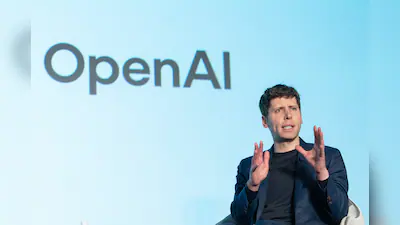
OpenAI has reportedly called on authorities in California and Delaware to investigate Elon Musk, alleging behavior that could undermine fair competition in the rapidly evolving artificial intelligence industry. While the specifics of the complaint remain limited in public disclosures, the request signals a significant escalation in tensions between two of the most influential forces shaping AI today.
This is not just another corporate disagreement—it reflects a deeper संघर्ष over control, influence, and the rules governing one of the most critical technologies of this decade.
Why California and Delaware Matter in This Case
The choice of jurisdictions is strategic. California is home to much of the AI industry, including OpenAI and several of Musk’s ventures, making it a natural hub for regulatory oversight. Delaware, on the other hand, plays a central role in U.S. corporate law, as many tech companies—including those linked to Musk—are incorporated there.
By targeting both states, OpenAI appears to be addressing not just operational concerns but also governance and corporate conduct at a structural level.
The Core Allegation — What ‘Anti-Competitive’ Could Mean
Although detailed allegations have not been fully outlined, “anti-competitive behavior” in this context could include:
- Leveraging influence across multiple companies (such as xAI, Tesla, and X) to disadvantage competitors
- Restricting access to critical AI infrastructure, data, or platforms
- Creating preferential ecosystems that limit fair market participation
If proven, such practices could raise serious concerns under U.S. antitrust laws, especially in a sector where scale, data, and compute power already create high barriers to entry.
Context — Musk’s Expanding AI Footprint
Elon Musk has rapidly positioned himself as a central player in AI through ventures like xAI, which develops models such as Grok, and through integration with his social platform X (formerly Twitter). Combined with Tesla’s AI ambitions in autonomous driving and robotics, Musk’s ecosystem spans multiple high-impact domains.
This cross-platform presence is both a strength and a point of concern. Regulators globally have increasingly scrutinized companies that operate across interconnected markets, as dominance in one area can influence outcomes in another.
OpenAI vs Musk — A Complicated History
The current friction is layered with history. Musk was one of OpenAI’s early backers but later distanced himself from the organization. Since then, differences in vision—particularly around commercialization, openness, and safety—have widened.
Today, both sides are pursuing aggressive AI strategies, making direct conflict almost inevitable as they compete for talent, infrastructure, and enterprise adoption.
What This Means for the AI Industry
This development is bigger than a single dispute. It highlights three key trends:
- Rising Antitrust Scrutiny: Governments are increasingly wary of concentrated power in AI
- Platform Convergence: AI is no longer isolated—it’s embedded across social media, mobility, and enterprise tech
- Competitive Intensity: As stakes grow, so do legal and regulatory battles
For startups and smaller players, the outcome could influence how open—or restricted—the AI ecosystem becomes.
Expert Insight — Regulation vs Innovation Balance
Industry experts often warn that while regulation is necessary to prevent monopolistic behavior, excessive intervention could slow innovation. The challenge for regulators will be to strike a balance—ensuring fair competition without stifling technological progress.
If an investigation proceeds, it may set important precedents for how AI companies operate, collaborate, and compete globally.
The Bottom Line — Why You Should Care
At its core, this story is about who gets to shape the future of AI—and under what rules. OpenAI’s push for an investigation into Elon Musk signals that the battle is no longer just about better models, but about market structure, influence, and accountability.