
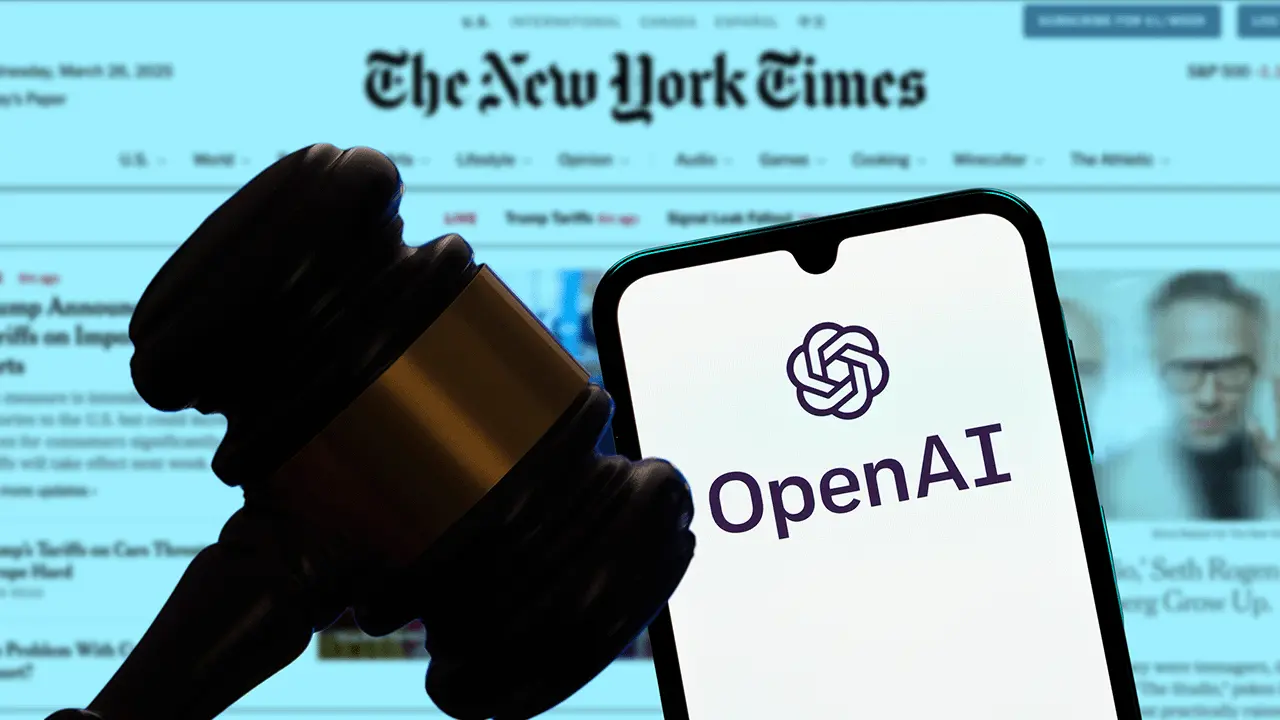
OpenAI has filed a motion to block a U.S. federal court order requiring it to hand over millions of ChatGPT conversations as part of a legal investigation. The order, reportedly issued by the Department of Justice, seeks access to anonymized user data and internal records to determine whether OpenAI’s systems have violated privacy or copyright laws.
Company Argues Privacy and Security at Risk
In its response, OpenAI stated that complying with the request would “pose an unacceptable risk” to user privacy and data security. The company emphasized that ChatGPT conversations often contain personal, confidential, and sensitive information shared by users in private contexts. OpenAI also warned that such disclosure could undermine public trust in AI systems.
Broader Legal Implications for AI Industry
Legal analysts say the case could reshape how AI companies are required to store, share, or protect user data. The U.S. government’s request is seen as part of broader efforts to ensure transparency and accountability in AI models, especially those trained on vast internet data. If enforced, the order could set a powerful precedent for future data access cases.
OpenAI Cites Proprietary Technology Protections
OpenAI further argued that the court’s demand risks exposing trade secrets and proprietary AI training methodologies. According to the company, the release of backend data could reveal how ChatGPT processes user inputs — potentially compromising intellectual property and giving competitors an unfair advantage.
Privacy Advocates Express Concern
Privacy advocates have sided with OpenAI, warning that turning over millions of chat logs could create massive privacy breaches. “Even anonymized data can often be re-identified,” said one cybersecurity expert. “This could expose users’ private thoughts, business ideas, or health discussions.”
Government Defends Request as Necessary Oversight
Officials involved in the case maintain that the data request is not intended to violate privacy but to assess whether OpenAI’s technology complies with U.S. laws governing data use and AI accountability. They argue that oversight is essential as AI tools become more influential in everyday life, from education to business operations.
A Test Case for AI Governance
The outcome of this legal battle could have far-reaching effects for the AI industry, determining how much access regulators can demand from developers like OpenAI, Google, and Anthropic. The case underscores the growing conflict between innovation, user privacy, and government oversight in the rapidly evolving world of artificial intelligence.