
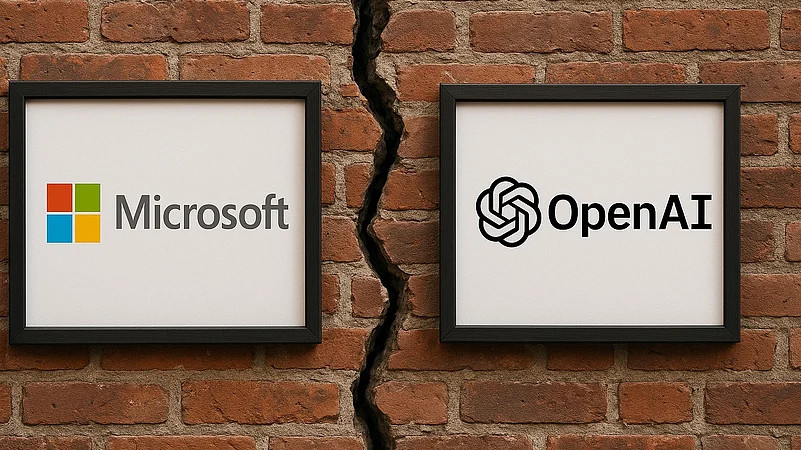
Tensions Rise in the High-Stakes AI Alliance
A growing rift has emerged between OpenAI and Microsoft, casting a shadow over one of the most influential partnerships in the artificial intelligence landscape. The two tech giants, once seen as tightly aligned on AI development and deployment, are reportedly facing friction over governance, strategic direction, and control over AI infrastructure.
Microsoft’s Growing Concerns Over OpenAI’s Independence
According to recent reports, Microsoft is increasingly wary of OpenAI’s internal decisions and its opaque governance structure. Despite having invested over $13 billion in OpenAI, Microsoft has limited visibility into how key decisions are made—particularly by the nonprofit board that governs the for-profit arm of OpenAI. Insiders claim that Microsoft's leadership has grown frustrated, especially in light of November 2023's sudden firing and reinstatement of OpenAI CEO Sam Altman, which blindsided Microsoft and raised red flags about stability.
Competing Agendas and Strategic Divergences
Microsoft has aggressively integrated OpenAI’s models into its products—like Copilot for Office, GitHub, and Azure OpenAI services. However, sources say it is now exploring expanding its own AI initiatives independently. There is speculation that Microsoft is hiring more internal AI talent and strengthening its infrastructure to potentially reduce dependency on OpenAI. Meanwhile, OpenAI continues to release standalone products and tools that compete directly with Microsoft’s offerings, adding more strain to the partnership.
Balancing Collaboration with Competitive Tension
While both companies still publicly reaffirm their alliance, analysts suggest the collaboration is now walking a fine line between mutual benefit and strategic competition. With AI becoming the centerpiece of future tech platforms, this alliance may be entering a phase where both parties re-evaluate their long-term goals.