
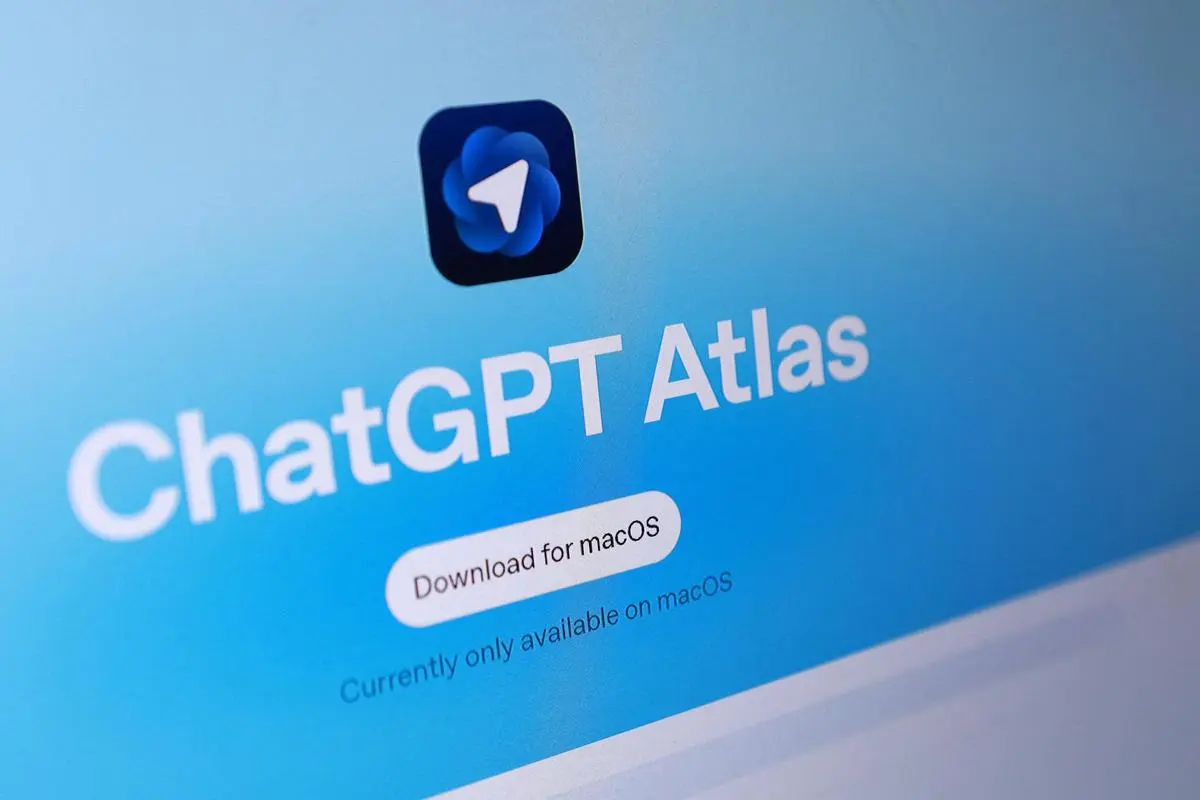
In a groundbreaking development, OpenAI has announced the launch of its new AI-powered web browser, called Atlas. This marks the company’s most direct challenge yet to Google’s long-standing dominance in web search and information discovery. The browser integrates conversational AI, real-time data analysis, and contextual understanding to provide users with an intelligent, dialogue-based browsing experience.
AI Meets the Web: A New Way to Search and Navigate
Unlike traditional browsers that rely on keyword-based searches, Atlas leverages OpenAI’s advanced language models to deliver summarized, accurate, and contextual answers drawn from the open web. Users can type or speak questions directly, and Atlas will curate information from multiple sources, offering clean summaries, references, and even visual insights — all within a single interface.
Integration With ChatGPT and Real-Time Web Access
The Atlas browser reportedly integrates seamlessly with ChatGPT and OpenAI’s latest real-time web access tools, allowing users to cross-check data, browse live content, and interact with web results conversationally. The system can handle complex tasks such as comparing products, finding research papers, or generating summaries from long articles — all while maintaining source transparency.
Designed to Compete With Google and Microsoft Edge
With Atlas, OpenAI aims to disrupt traditional search and browsing models dominated by Google Chrome and Microsoft Edge. Industry experts suggest the browser could introduce a new era where AI serves as both a search engine and a content guide, reducing users’ dependency on ad-driven search pages. Early reports indicate that Atlas focuses on a clean, ad-free interface powered by OpenAI’s ecosystem of productivity and creativity tools.
Privacy, Personalization, and the Future of Browsing
OpenAI claims Atlas will prioritize user privacy, minimal tracking, and personalization without compromising security. Unlike conventional browsers, Atlas doesn’t rely on invasive data collection or targeted advertising. Instead, it adapts to user preferences and learning styles, offering tailored recommendations, reading modes, and task automation powered by AI.
Industry Reactions and Early Access
The launch has sparked major interest across the tech industry, with analysts viewing it as a direct shot at Google’s search empire. Beta access to Atlas will reportedly begin later this year, with OpenAI promising integrations for both desktop and mobile platforms. The move also signals OpenAI’s ambition to build a fully AI-integrated digital ecosystem — from chat to code, and now, the web itself.