
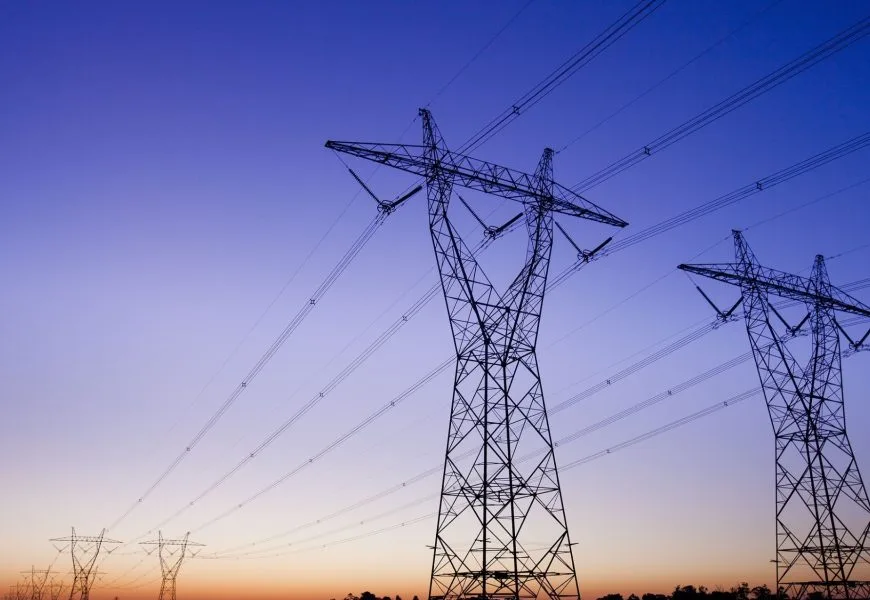
As the 2026 U.S. midterm elections approach, voter frustration over skyrocketing electricity bills is emerging as a key issue across the country. From suburban households to rural communities, citizens are expressing growing outrage over rising power costs, which have surged by as much as 25% in several states compared to two years ago. The issue is expected to heavily influence both congressional and state-level races, especially in swing regions where utility costs are a top concern.
Data Centres Under Fire for Energy Consumption
Much of the public anger is being directed toward the rapid expansion of data centres, which have become the backbone of artificial intelligence, cryptocurrency mining, and cloud computing industries. These facilities — often consuming the energy equivalent of small cities — are straining regional grids and driving up electricity demand. States such as Virginia, Texas, and Arizona, home to massive data centre clusters, are witnessing intensified debates over whether the tech sector should bear greater responsibility for its environmental and economic footprint.
Politicians Face Pressure to Act
Lawmakers from both parties are under pressure to address what many voters see as unchecked corporate energy consumption. Democrats are calling for stronger regulations and renewable energy incentives, while some Republicans advocate for expanded domestic energy production to offset the rising demand. Several local governments are also considering moratoriums on new data centre construction, citing power shortages and grid reliability issues.
Tech Industry Defends Its Role
The technology industry, however, defends its contribution to economic growth and job creation. Industry groups argue that data centres are investing heavily in clean energy partnerships, battery storage, and efficiency improvements. Major companies such as Google, Microsoft, and Amazon have pledged to operate entirely on renewable energy by the end of the decade. Still, many communities remain unconvinced, particularly as household bills continue to climb.
Voter Sentiment Could Shape Election Outcomes
Pollsters indicate that rising utility costs have become a top-five concern among likely voters, joining inflation, healthcare, and immigration. Energy affordability, once a regional issue, has now become a national election talking point. Candidates who fail to address the link between data centre expansion and electricity inflation may face backlash from energy-conscious voters, making this one of the most politically charged topics of the upcoming midterms.
Looking Ahead: A Test of Energy Policy and Accountability
As the U.S. races toward an increasingly digital economy, the challenge of balancing technological advancement with sustainable energy management will define the next political chapter. The 2026 midterms could serve as a referendum on how effectively leaders can tackle the nation’s dual crises of affordability and energy demand — and whether voters believe the benefits of AI-driven progress are worth the cost of keeping the lights on.