
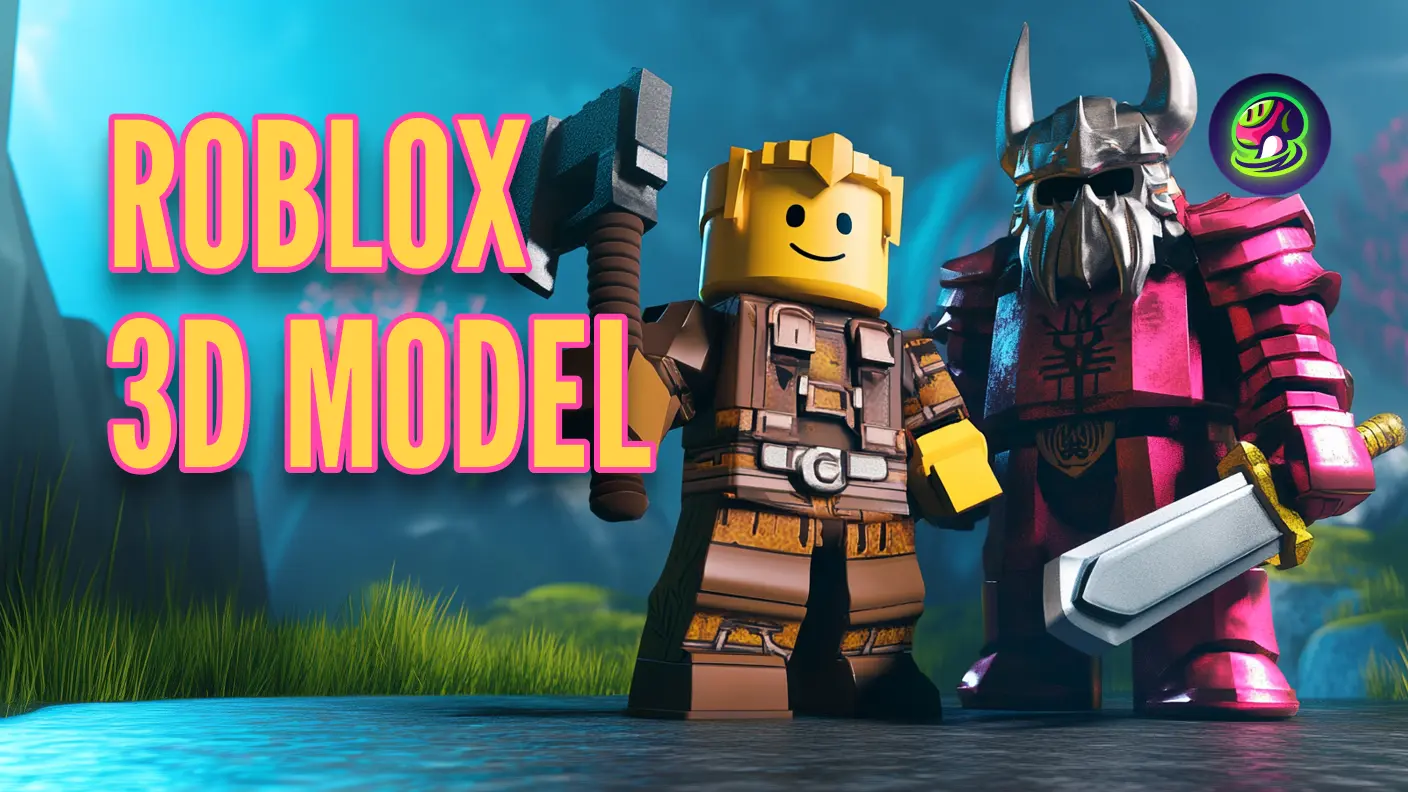
Roblox has announced a major leap forward in game creation with the launch of a new artificial intelligence system capable of generating fully functioning 3D models from natural language prompts. The technology is aimed at lowering barriers for creators and accelerating development across the platform’s massive virtual ecosystem.
AI Turns Text Prompts Into Playable Objects
The newly introduced AI tool allows developers to describe an object in everyday language—such as “a futuristic hoverboard with glowing edges”—and receive a usable, interactive model inside Roblox Studio. Unlike earlier generative tools that focused mainly on visuals, Roblox’s system is designed to produce models with built-in structure and behavior, making them immediately usable in games and experiences.
Roblox says the AI understands both form and function, meaning generated objects can respond to physics, player interaction, and in-game rules without extensive manual scripting.
Built on Roblox’s Open-Source AI Framework
The company revealed that the technology is part of its broader AI roadmap, powered by Roblox’s open-source 3D foundation models. These models have been trained on years of creator-generated data while following safety and moderation guidelines to prevent misuse.
By keeping parts of the system open, Roblox aims to encourage experimentation and collaboration among developers, researchers, and educators working in 3D generative AI.
Empowering the Next Generation of Creators
Roblox believes the tool could be a game-changer for aspiring developers with limited technical skills. By removing the need for advanced modeling or coding knowledge, the AI opens doors for younger creators and small teams to bring ideas to life faster.
Industry observers note that this move positions Roblox as one of the first major platforms to deploy functional generative AI at scale within a live gaming environment.
Implications for Gaming and the Metaverse
The launch signals a broader shift in how virtual worlds may be built in the future. As generative AI becomes more capable, development timelines could shrink dramatically, allowing creators to focus more on storytelling and gameplay rather than technical implementation.