
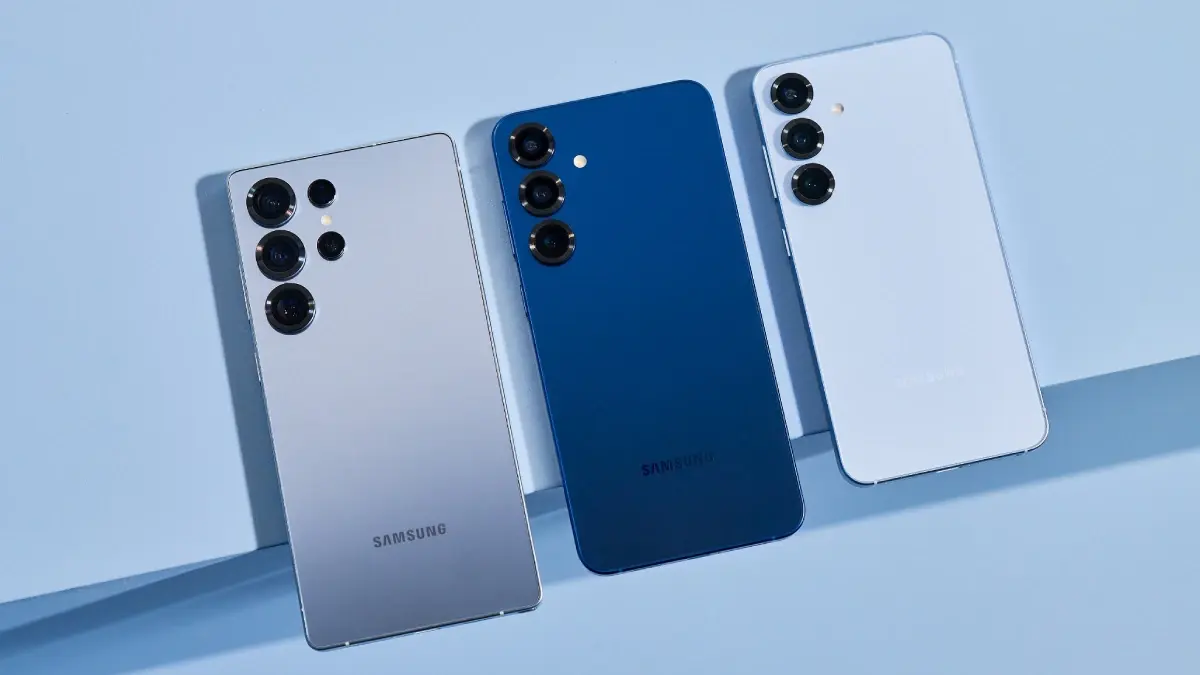
Samsung has officially confirmed the launch timeline for its much-anticipated Galaxy S26 series, setting the stage for another high-profile unveiling in its flagship smartphone portfolio. The new lineup is expected to push the boundaries of performance, artificial intelligence, and mobile photography, building upon the foundation laid by the Galaxy S25 series.
Here’s a detailed look at what consumers can expect from Samsung’s next-generation premium smartphones.
Launch Timeline and Event Details
Samsung is widely expected to unveil the Galaxy S26 series at its early-year Galaxy Unpacked event, likely scheduled for January or February 2026. The event will be streamed globally, with pre-orders expected to begin shortly after the announcement. Market availability could follow within a couple of weeks, continuing Samsung’s typical flagship release cycle.
Industry observers anticipate three main models in the lineup: the Galaxy S26, Galaxy S26+, and the top-tier Galaxy S26 Ultra.
Refined Design With Smarter Materials
The Galaxy S26 series is expected to retain Samsung’s minimalist design language while introducing subtle refinements. Slimmer bezels, a flatter frame, and improved durability could define the new aesthetic. Reports suggest Samsung may continue using advanced aluminum or titanium frames for higher-end variants, enhancing strength without adding weight.
Display sizes are expected to remain similar to the previous generation, featuring Dynamic AMOLED 2X panels with adaptive refresh rates up to 120Hz or possibly higher. Improvements in brightness and energy efficiency are also anticipated.
Next-Gen Performance and AI Integration
Under the hood, the Galaxy S26 series is likely to be powered by the next-generation Snapdragon flagship chipset in select markets, while other regions may receive Samsung’s updated Exynos processor.
A major focus this year is expected to be on on-device AI capabilities. Samsung could introduce enhanced AI-powered photography, real-time language translation, generative editing tools, and smarter battery optimization. Deeper integration with Galaxy AI features may further position the S26 series as a productivity and creativity powerhouse.
RAM configurations may start at 12GB, with higher storage variants going up to 1TB in the Ultra model.
Camera Upgrades With Advanced Computational Photography
Samsung’s Galaxy S Ultra models have traditionally led the charge in mobile imaging, and the Galaxy S26 Ultra is expected to continue that trend. Speculation points toward sensor enhancements, improved periscope zoom capabilities, and advanced AI image processing.
Low-light photography and video stabilization may see noticeable improvements. There are also expectations of upgraded front-facing cameras to enhance video calls and content creation.
Battery, Charging, and Connectivity
Battery capacities are likely to remain competitive, with incremental gains in efficiency driven by chipset optimization and AI-based power management. Fast charging support may see modest improvements, though Samsung is expected to maintain its balanced approach to battery longevity.
The Galaxy S26 series will almost certainly support Wi-Fi 7, Bluetooth 5.4 or higher, and enhanced 5G connectivity. Satellite communication features could also expand, depending on regional support.
Software and Ecosystem Enhancements
The Galaxy S26 lineup is expected to debut with the latest version of One UI based on Android 16. Samsung may further expand its long-term software update commitment, offering multiple years of OS and security upgrades.
Integration with the broader Galaxy ecosystem — including Galaxy Buds, Galaxy Watch, tablets, and laptops — is likely to be more seamless, emphasizing cross-device continuity and AI-driven workflows.
Expected Price in Global Markets
While official pricing has yet to be announced, analysts expect Samsung to keep the Galaxy S26 pricing close to the Galaxy S25 series to remain competitive.
Estimated starting prices could be:
-
Galaxy S26: Around $799–$849
-
Galaxy S26+: Around $999
-
Galaxy S26 Ultra: Starting near $1,199 or higher depending on storage
Regional pricing, including India and Europe, will vary based on taxes and import duties