
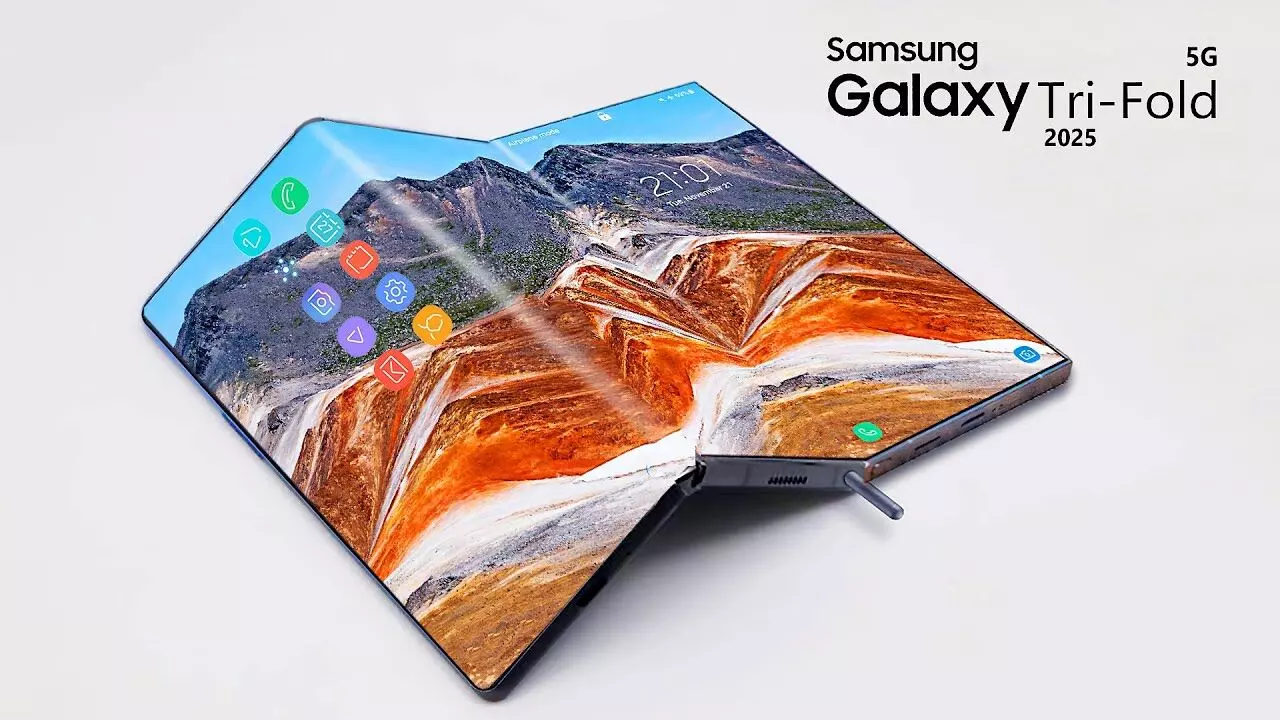
Samsung’s much-anticipated Galaxy Z TriFold, the company’s first triple-folding smartphone, is reportedly set to arrive with a price significantly lower than earlier industry estimates. According to fresh leaks from supply chain analysts and insiders, Samsung has re-evaluated its pricing strategy as it pushes to make multi-fold devices more accessible in mainstream markets.
🔹 Pricing Expected to Be “Surprisingly Competitive”
Initial rumours hinted at a premium price tag far higher than the Galaxy Z Fold series. However, the latest reports suggest Samsung is aiming for a more “competitive entry point.” While exact figures remain confidential, the company is said to be targeting a price lower than the expected ultra-premium bracket—indicating a strategic move to accelerate adoption of advanced foldable designs.
🔹 Strong Component Optimization Behind Cost Reduction
Insiders claim the lower price stems from Samsung’s aggressive optimization across components such as hinges, flexible OLED panels, and internal circuitry. The TriFold is rumoured to use enhanced versions of Samsung’s existing UTG (Ultra Thin Glass) technology, minimizing manufacturing complexity and reducing end-user costs.
🔹 Expected Features: Triple-Fold Display, Tablet-Like Experience
Leaks point to a large fold-out display that expands into a tablet-sized screen, positioning the device as a hybrid between a smartphone and productivity tablet. Other expected features include a flagship Snapdragon chipset, multi-camera array, S Pen support, and advanced multitasking capabilities.
🔹 Launch Timeline Hints at 2025 Debut
Market analysts believe Samsung will unveil the Galaxy Z TriFold in the second half of 2025, potentially alongside the next-generation Galaxy Z Fold and Flip lineup. The company has not officially commented on the leak, but the buzz suggests a major push to lead the next phase of foldable innovation.
🔹 Samsung's Strategy: Democratizing Foldable Tech
By making the TriFold more affordable than anticipated, Samsung appears to be setting the stage for a broader foldable ecosystem. A lower price could help the brand defend its global leadership in the foldable category, especially as competition from Chinese manufacturers intensifies.