
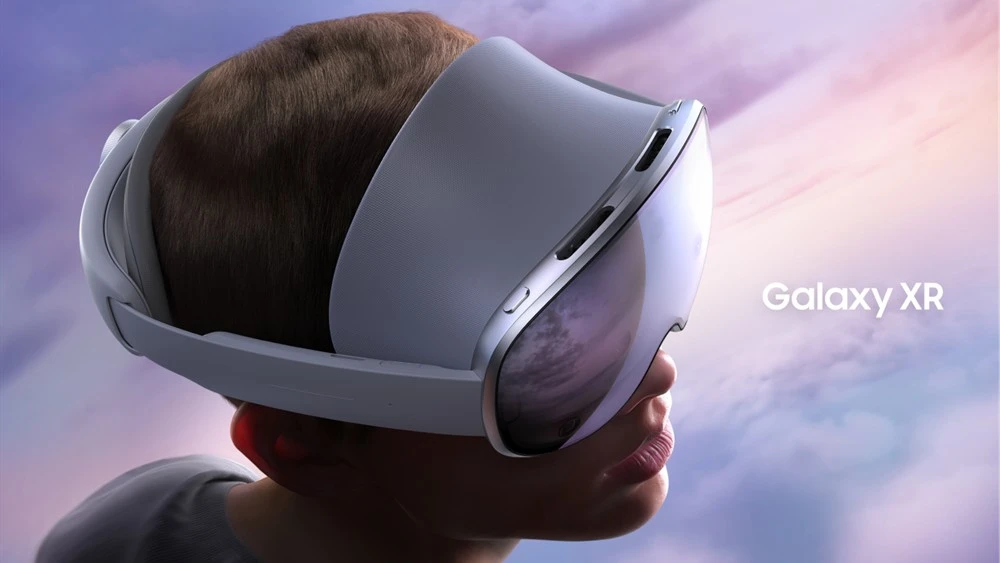
Samsung is preparing to make a bold entry into the mixed reality (XR) market with its upcoming Galaxy XR headset, designed to rival Apple’s Vision Pro. The device, developed in collaboration with Google and Qualcomm, is expected to redefine immersive experiences across entertainment, productivity, and gaming.
Strategic Collaboration with Industry Giants
The partnership among Samsung, Google, and Qualcomm marks one of the most significant alliances in the extended reality space. Qualcomm will provide its latest Snapdragon XR processor, offering advanced graphics and low-latency performance, while Google is tailoring a custom Android-based XR operating system to power the device. Samsung’s contribution focuses on hardware innovation, premium displays, and ergonomic design.
Direct Competition with Apple Vision Pro
Samsung’s XR headset is viewed as a direct response to Apple’s Vision Pro, which has set a new benchmark in spatial computing. Reports suggest Samsung’s offering will be lighter and more affordable, targeting a wider audience compared to Apple’s ultra-premium pricing. The company aims to merge mobile and XR ecosystems, enabling seamless integration with its Galaxy smartphones, tablets, and wearables.
Expected Features and Launch Timeline
Insiders indicate the Galaxy XR headset will feature dual 4K OLED displays, advanced hand and eye-tracking sensors, and AR/VR hybrid capabilities. The device is also expected to include spatial audio technology and support for cloud-based applications through Samsung’s SmartThings and Galaxy AI services. The headset is rumored to debut in early 2026, potentially showcased at Samsung’s Galaxy Unpacked event.
Samsung’s Vision for the XR Future
With this launch, Samsung aims to establish leadership in the next generation of immersive computing. The company envisions a world where XR devices become extensions of everyday life—bridging work, creativity, and entertainment through spatial technology. Analysts believe this move could accelerate global adoption of mixed reality and spark renewed competition in the tech industry’s next frontier.