
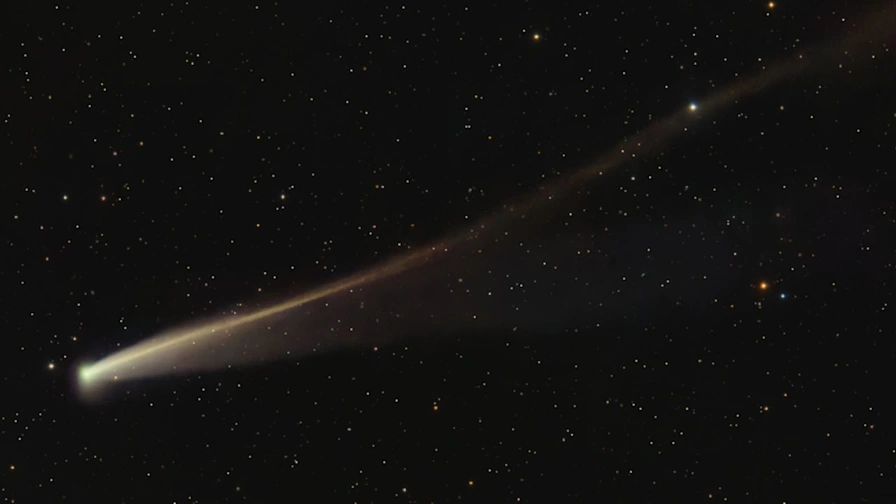
In a remarkable step toward understanding one of the universe’s great mysteries, physicists have successfully recreated miniature versions of cosmic “fireballs” in a controlled laboratory setting. These artificial fireballs mimic the extreme plasma jets found in gamma-ray bursts (GRBs) — the most energetic explosions known to occur in space.
The Mystery of Missing Gamma Rays
For years, astronomers have been puzzled by an inconsistency between theoretical predictions and real observations of GRBs. While simulations suggest immense gamma-ray emissions from collapsing stars or merging neutron stars, actual detections show far fewer rays reaching Earth. The new laboratory experiments aim to reveal why these high-energy photons seem to disappear or scatter before reaching telescopes.
How Scientists Simulated a Cosmic Blast
The study, conducted by an international team using ultra-powerful lasers, reproduced the key conditions believed to exist in GRB jets — including intense magnetic fields and plasma flows moving close to the speed of light. By firing high-energy lasers into a target material, researchers generated jets of plasma that interacted in ways similar to astrophysical fireballs. These miniature simulations allowed scientists to observe how particles accelerate and radiate energy in real time.
Unveiling the Hidden Mechanism
The team found that within these plasma jets, electromagnetic turbulence could trap or scatter gamma rays, preventing many of them from escaping. This discovery could explain why actual cosmic GRBs produce fewer detectable gamma rays than expected. The findings provide fresh insight into how matter and radiation behave under extreme relativistic conditions — a cornerstone for modern astrophysics.
Implications for Future Space Observations
This advancement not only deepens our understanding of cosmic explosions but could also help refine upcoming missions like NASA’s GLAST and ESA’s Athena, which study high-energy cosmic phenomena. By bridging experimental physics and astrophysics, scientists can now simulate and study cosmic events previously thought impossible to reproduce on Earth.
A New Era for Laboratory Astrophysics
Researchers say these results mark a milestone for “laboratory astrophysics,” an emerging field that uses Earth-based experiments to test theories about space. As laser technologies grow even more powerful, scientists hope to replicate other cosmic phenomena — from supernova shocks to black hole jets — offering humanity a front-row seat to the forces that shape the universe.