
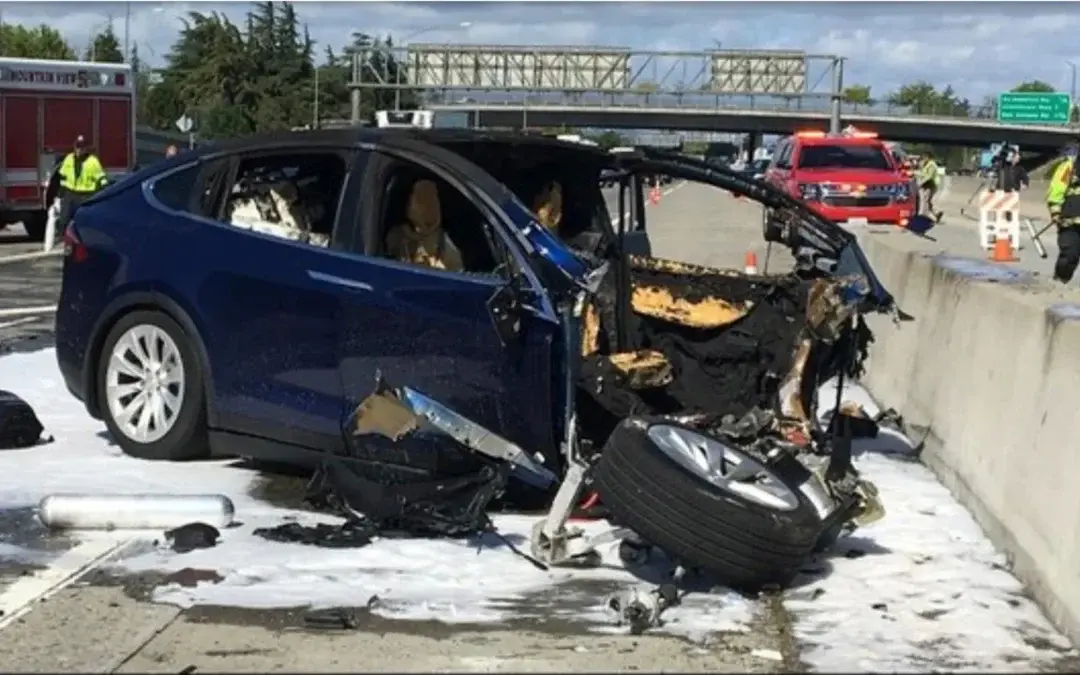
In a devastating crash that occurred in 2019 on a Florida highway, Jeremy Banner was killed after his Tesla Model 3, operating under the Autopilot feature, collided with a semi-truck. The car reportedly failed to detect the white trailer crossing the highway, leading to a high-speed impact that sheared off the roof. Banner died instantly, and his son, riding with him, sustained serious injuries.
Details of the Legal Battle
The family of Jeremy Banner sued Tesla, alleging the Autopilot system was defective and marketed in a misleading way. During the trial, lawyers presented evidence that Tesla had not implemented critical safety measures and had overpromoted Autopilot's capabilities, giving users a false sense of security. The plaintiffs argued that Tesla’s software failed to properly detect stationary obstacles and that the system lacked effective safeguards.
Jury’s Verdict and Breakdown of Damages
The Florida jury deliberated and found Tesla liable for negligence and product defect, awarding $243 million in total damages. This included $100 million in compensatory damages to Banner’s estate and $143 million in punitive damages intended to deter similar corporate conduct. The verdict is considered one of the most significant legal defeats for Tesla over its controversial Autopilot technology.
Tesla’s Response and Planned Appeal
Tesla has strongly denied the allegations and maintained that driver attention is necessary when Autopilot is engaged. The company pointed out that Banner did not have his hands on the wheel at the time of the crash, violating Autopilot's safety prompts. A spokesperson confirmed that Tesla intends to appeal the decision, arguing that the driver bore ultimate responsibility for vehicle control.
Implications for Tesla and the Auto Industry
This case is likely to have wider repercussions for Tesla and other automakers developing semi-autonomous systems. Legal experts believe it could pave the way for more accountability in cases where driver-assist features contribute to accidents. The ruling also puts a spotlight on how such systems are marketed and whether their branding overstates actual capabilities.
Final Thoughts
The $243 million ruling underscores growing legal scrutiny over advanced driver-assist systems. As Tesla and competitors race toward full autonomy, the challenge of balancing innovation with safety and transparency has never been more pressing. This case may mark a turning point in how autonomous technology is judged—both in courtrooms and in the public eye.