
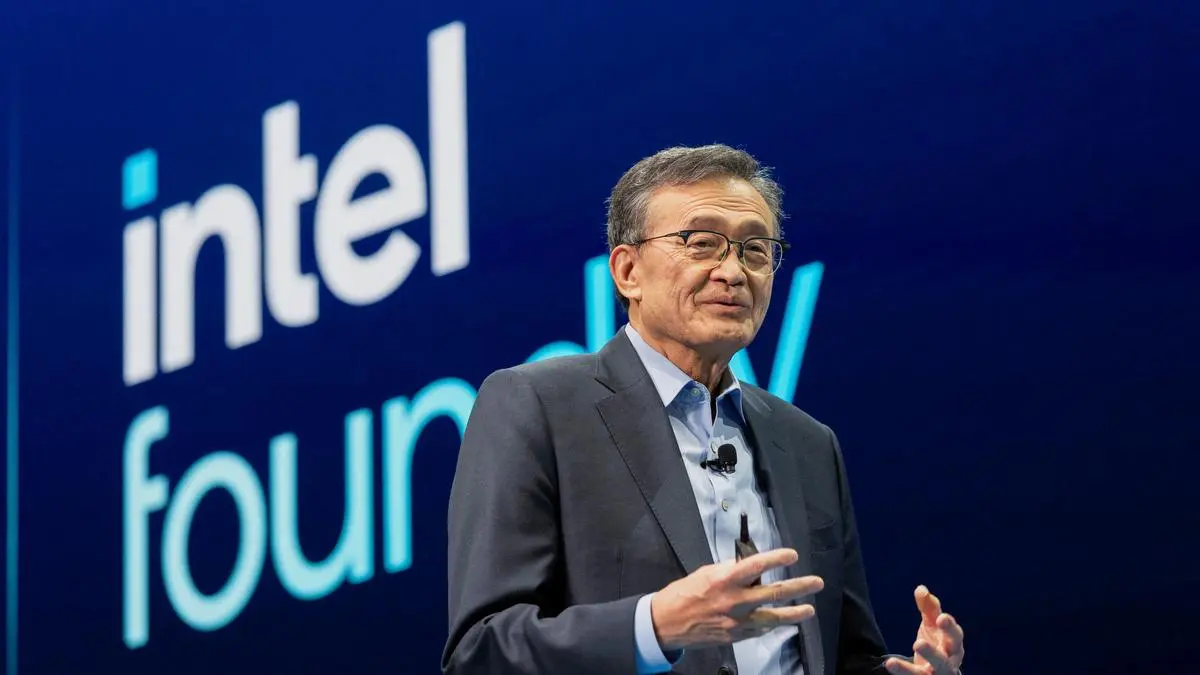
Trump Calls for Intel CEO’s Resignation
In a surprising move, U.S. President Donald Trump has publicly demanded the resignation of Intel’s CEO, citing what he describes as “a series of strategic and political blunders” by the tech giant’s leadership. Trump’s comments, delivered during a press briefing at the White House, came amid growing tensions over semiconductor manufacturing, national security concerns, and corporate alignment with U.S. industrial policy.
The Root of the Dispute
According to political insiders, Trump’s dissatisfaction stems from Intel’s alleged reluctance to accelerate domestic chip production despite government incentives. The administration has been aggressively pushing major tech firms to shift manufacturing from overseas—particularly from Asia—to the United States. Trump claimed that Intel’s current CEO “has failed to demonstrate the urgency and commitment needed to protect America’s technological leadership.”
Geopolitical Backdrop and Security Concerns
The call for resignation comes as the U.S. intensifies its rivalry with China in the semiconductor sector. Washington has imposed export restrictions on advanced chips and chipmaking equipment, aiming to limit Beijing’s access to cutting-edge technology. Trump has argued that Intel’s overseas operations, especially in regions with strategic risks, could expose U.S. intellectual property to foreign threats.
Financial and Operational Challenges at Intel
Intel has faced several setbacks in recent years, including delays in advanced process technology, rising competition from rivals like AMD, Nvidia, and Taiwan’s TSMC, and a loss of market share in both CPUs and AI chips. Critics say the leadership’s inability to deliver on promised roadmaps has weakened U.S. competitiveness. Trump’s remarks could intensify investor pressure on Intel’s board to review its leadership strategy.
Industry and Political Reactions
Trump’s demand has divided opinion across political and business circles. Some lawmakers and analysts back the move, arguing that leadership change could help Intel align with U.S. industrial goals. Others, however, see the statement as political overreach into private corporate governance. Intel has not officially responded, though internal sources suggest the board is “carefully assessing the situation.”
What This Could Mean for the U.S. Tech Sector
If Intel’s leadership changes, it could reshape the company’s strategic direction, potentially accelerating its domestic fabrication projects and partnerships with the U.S. government. The outcome will also be closely watched by other tech giants, as it may set a precedent for how Washington engages with corporate America in strategic industries.