
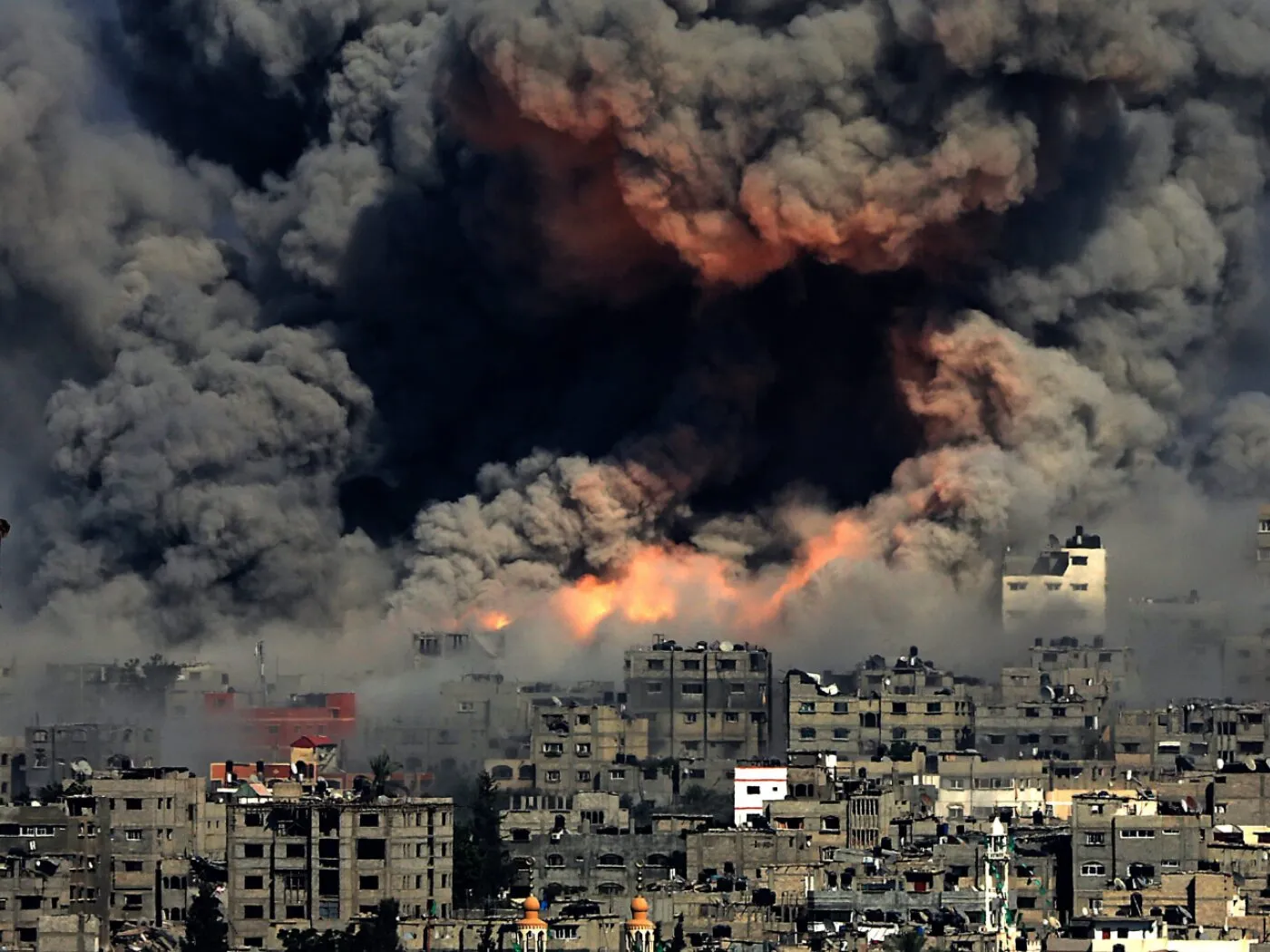
A Digital War Parallel to the Ground Conflict
As tensions escalate between Iran and Israel, a different kind of war is unfolding online—fueled by misinformation, deepfakes, and algorithm-driven content. From fake footage of missile strikes to fabricated statements attributed to military officials, the internet has become saturated with content that blurs the line between reality and fiction.
AI and Bots Amplify False Narratives
Much of the distortion is amplified by artificial intelligence and automated bots on social media platforms. These tools create and share disinformation at an unprecedented speed, making it increasingly difficult for both journalists and the public to separate fact from fiction. Researchers have tracked numerous bot networks actively pushing polarizing narratives favoring one side or sowing confusion globally.
Deepfakes Create Trust Crisis
The emergence of deepfake technology has added a dangerous layer to the conflict. Fabricated videos of Israeli airstrikes or Iranian retaliation, although entirely fake, have gone viral within minutes, triggering outrage and sometimes diplomatic responses based on lies. In one case, a video showing a destroyed Tel Aviv skyline was confirmed to be AI-generated, yet had already reached millions.
Social Media Platforms Struggle to Respond
Despite efforts by platforms like X (formerly Twitter), Instagram, and Telegram to label or remove false content, the volume and sophistication of the misinformation have outpaced moderation capabilities. Tech companies are being criticized for their slow response and opaque policies when it comes to politically charged content during crises.
Geopolitical Consequences of Online Misinformation
Experts warn that misinformation isn't just a nuisance—it’s a strategic tool. Both state and non-state actors may use it to influence public opinion, provoke unrest, and sabotage diplomatic efforts. In the case of Iran and Israel, fake news could inflame public sentiment and potentially escalate military responses based on misperceptions.
The Role of Verification Journalism
Fact-checking organizations and independent journalists are playing a critical role in debunking false claims. However, their work often lags behind viral content, and trust in media is at an all-time low. The need for rapid response verification and digital literacy has never been more urgent.
Conclusion: Truth Under Siege
As the Iran-Israel conflict plays out, both on the battlefield and in the media sphere, it’s clear that technology has become a double-edged sword. While it enables real-time updates and global awareness, it also opens the door to mass deception. In this digital age, truth is not only the first casualty of war—it’s a daily target.