
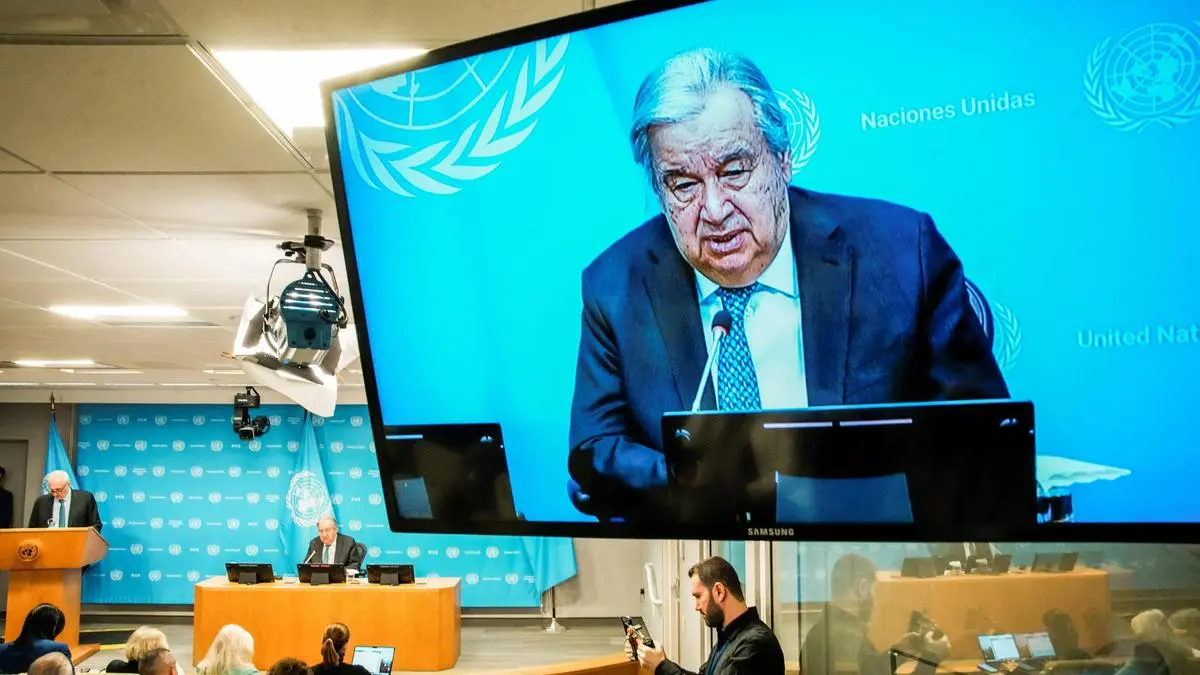
The United Nations has officially approved the creation of a 40-member international scientific panel tasked with examining the global impact of artificial intelligence. The move marks a significant step in the UN’s efforts to shape coordinated global governance around rapidly advancing AI technologies.
The panel will bring together experts from diverse fields, including computer science, ethics, law, economics, human rights, and public policy. Its primary mandate will be to provide independent, evidence-based assessments of AI’s societal, economic, and environmental consequences.
A Response to Growing Global Concerns
The decision comes amid increasing global debate over the risks and opportunities presented by AI systems. Governments and institutions worldwide have been grappling with questions around algorithmic bias, misinformation, privacy violations, automation-driven job displacement, and the use of AI in military applications.
UN officials emphasized that while AI offers transformative potential — from accelerating scientific discovery to improving healthcare and climate modeling — it also poses complex regulatory and ethical challenges. The new scientific panel is expected to support member states by offering policy-relevant research and technical guidance.
Independent, Multidisciplinary Expertise
According to UN representatives, the 40 experts will serve in their individual capacities rather than as government delegates. This structure is designed to ensure scientific independence and credibility. The panel is expected to reflect geographic diversity and gender balance, incorporating voices from both developed and developing nations.
The body will likely collaborate with existing UN agencies, research institutions, and regional organizations. It may also engage with private sector stakeholders and civil society groups to ensure broad-based consultation.
Mandate and Key Objectives
The newly established panel will focus on several key areas:
-
Assessing AI’s long-term social and economic impacts
-
Evaluating potential threats to peace and security
-
Identifying governance gaps at national and international levels
-
Advising on ethical frameworks and responsible innovation
-
Supporting sustainable development goals through AI applications
The panel’s findings are expected to inform future UN resolutions and international agreements related to artificial intelligence governance.
Part of a Broader Global AI Governance Push
The approval of the scientific panel aligns with broader multilateral discussions on digital cooperation and technology governance. In recent years, global leaders have increasingly called for a coordinated approach to managing frontier technologies, especially as AI capabilities expand at unprecedented speed.
The UN Secretary-General has previously advocated for guardrails to prevent misuse of AI systems, while encouraging innovation that benefits humanity as a whole. The new panel is viewed as a foundational step toward more structured global oversight.
Looking Ahead
The panel is expected to begin its work in the coming months, with initial reports likely to be presented to the UN General Assembly. As artificial intelligence continues to reshape industries and societies, the scientific body’s assessments could play a critical role in guiding responsible and inclusive global policy.