
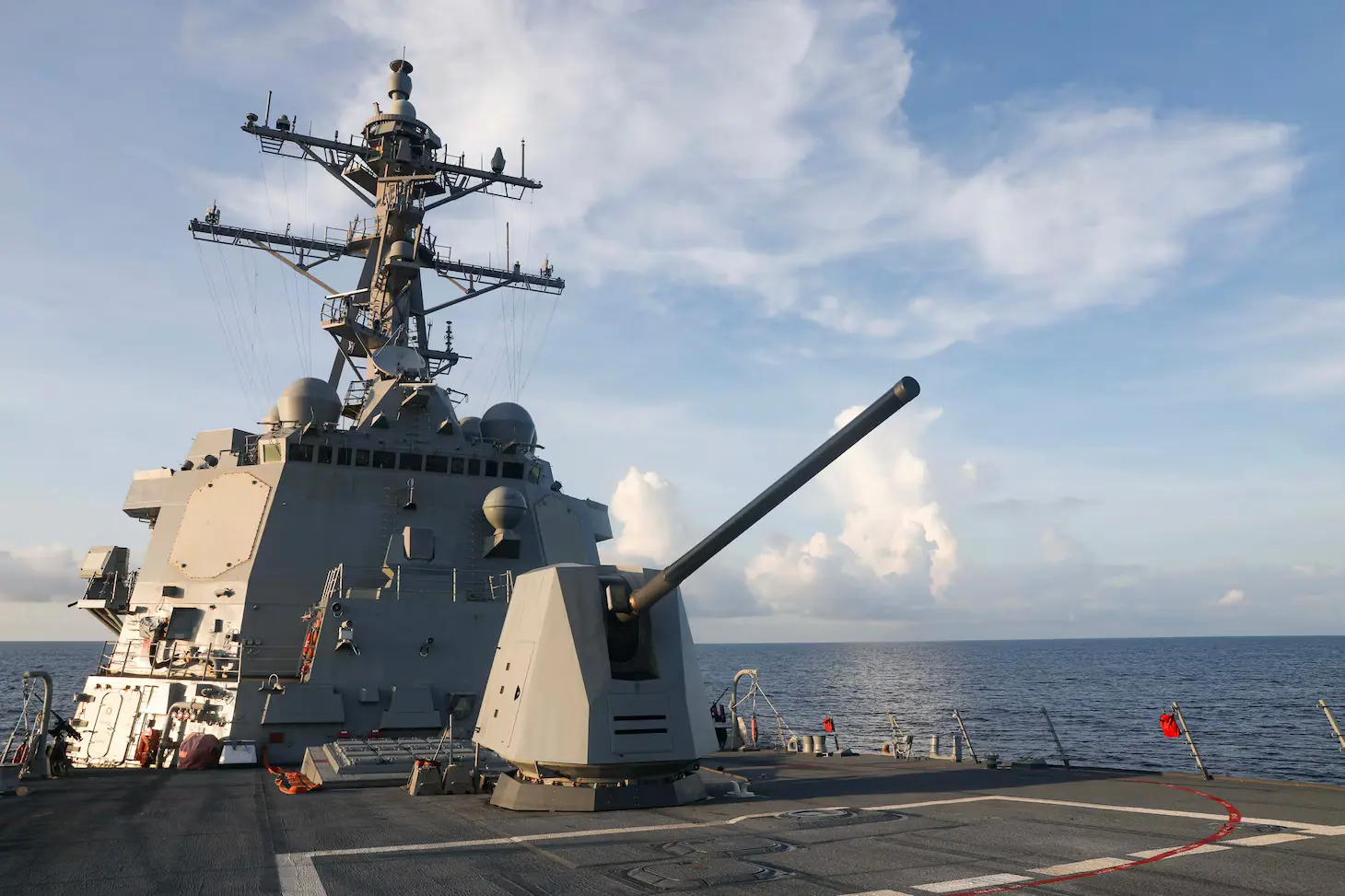
The U.S. Navy’s efforts to rapidly expand its fleet of unmanned surface and underwater drones, aimed at countering China’s growing dominance in the Indo-Pacific, are encountering major obstacles. Despite heavy investments, several projects are behind schedule, and questions are being raised about their combat readiness.
A Key Part of the Pentagon’s China Strategy
The Navy envisions a “hybrid fleet” where drones complement manned warships, taking on surveillance, mine-clearing, and even combat missions. This approach is central to Washington’s broader Indo-Pacific strategy, which seeks to balance China’s rapidly modernizing navy. However, execution has proved more complicated than planned.
Technical Glitches Slow Progress
Multiple drone prototypes—both unmanned surface vessels (USVs) and unmanned underwater vehicles (UUVs)—have faced software glitches, endurance limitations, and integration problems with existing systems. Defense analysts warn that without reliable communication networks, the U.S. could struggle to deploy these drones effectively in contested regions.
Budget Concerns and Rising Costs
Lawmakers in Congress are also expressing frustration over ballooning budgets. Some projects have already consumed billions of dollars without delivering operational platforms. Critics fear the Navy may be overpromising futuristic technologies while underdelivering on practical, deployable assets.
China Advances While U.S. Struggles
Meanwhile, China continues to rapidly expand its naval power, adding aircraft carriers, destroyers, and its own unmanned systems. Experts warn that delays in the U.S. program could give Beijing a strategic advantage in the South China Sea and beyond.
Future of the Drone Fleet
Despite the challenges, Pentagon officials insist unmanned systems remain a crucial part of future warfare. The Navy is re-evaluating timelines and testing protocols to ensure reliability before large-scale deployment. But unless progress accelerates, America’s vision of a cutting-edge drone fleet may remain more aspiration than reality.