
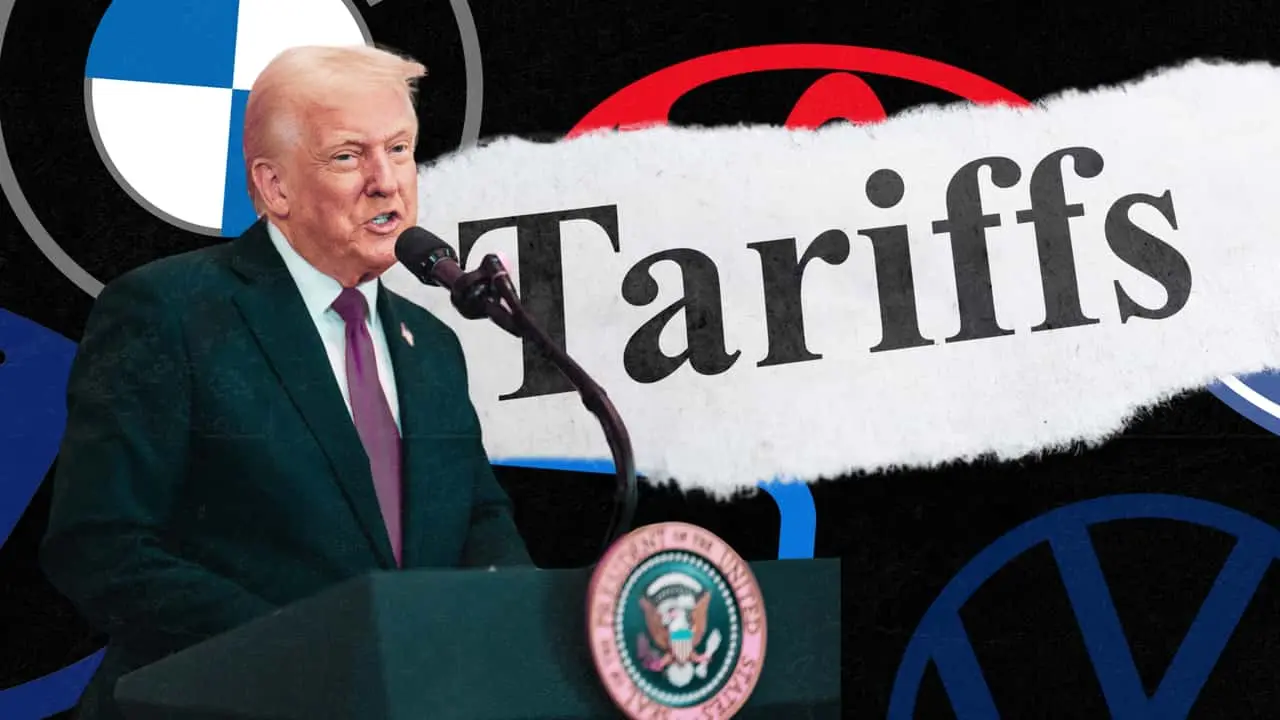
The U.S. Department of Commerce is expected to release its much-anticipated findings from an ongoing probe into semiconductor imports within the next two weeks. The investigation, initiated under Section 232 of the Trade Expansion Act, is aimed at evaluating whether the rising dependency on foreign chips, particularly from nations like China and Taiwan, poses a national security threat.
🏛 National Security Concerns Drive Probe
This probe comes amid heightened geopolitical tensions and increasing U.S. efforts to secure its critical technology supply chains. The Biden administration has made semiconductor independence a strategic priority, given the central role chips play in defense, infrastructure, and emerging technologies. Lawmakers and officials have long voiced concerns over the U.S.’s reliance on Asia for advanced chips, especially in light of recent global supply chain disruptions.
⚙️ Possible Tariffs or Restrictions Looming
Depending on the results of the investigation, the U.S. could impose new trade restrictions, tariffs, or even limits on specific chip imports. Such a move could significantly impact global chipmakers, including those in Taiwan, South Korea, and China. The administration is also looking to balance national security with economic competitiveness, making the final decision pivotal for both domestic and international tech industries.
💰 Impact on U.S. Chip Industry and Global Markets
The U.S. semiconductor sector—already benefiting from the $52 billion CHIPS and Science Act—is bracing for potential shifts in sourcing strategies. Industry stakeholders are keeping a close eye on the probe's outcome, which may influence investment patterns, global alliances, and the trajectory of ongoing supply chain reshoring initiatives.
⏳ What Comes Next?
Once the Department of Commerce releases its report, President Biden could act swiftly if the findings indicate national security risks. Possible measures may include invoking emergency powers or incentivizing more domestic manufacturing. This decision is expected to resonate widely across the global semiconductor ecosystem, from suppliers to device manufacturers.