
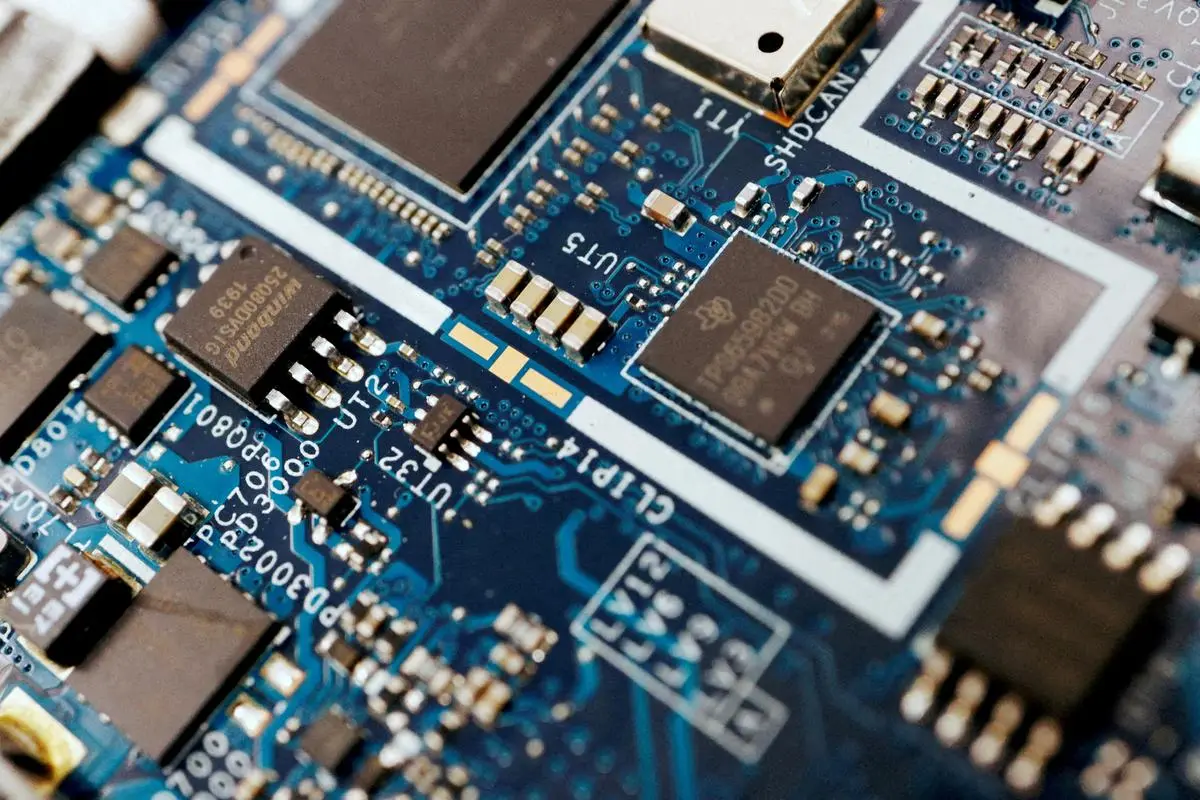
In a significant policy reversal, the United States government has announced it will roll back several export restrictions on advanced artificial intelligence (AI) chips, originally implemented during the Biden administration. This move marks a pivotal moment in U.S. technology policy, with potentially far-reaching implications for the global semiconductor industry, U.S.-China relations, and the race for dominance in AI innovation.
Background: Biden-Era Export Controls
The original export restrictions, introduced in 2022 and expanded through 2023, were aimed at curbing the sale of high-performance computing chips—such as NVIDIA’s A100, H100, and their successors—to China and other countries deemed a national security risk. The U.S. Department of Commerce cited concerns that these advanced AI chips could be used to bolster China’s military capabilities, enhance surveillance systems, or undermine democratic values through technological advantage.
Under the restrictions, U.S. companies needed special licenses to export certain chips and tools related to semiconductor manufacturing, especially those enabling large-scale AI model training or deployment. The measures were praised by national security officials but drew criticism from industry leaders, who warned of lost revenue, weakened global competitiveness, and retaliatory restrictions by foreign governments.
Policy Shift: Reversal Announced
The reversal, announced today by the U.S. Department of Commerce, comes after months of internal debate and industry lobbying. The revised policy eases restrictions on the export of AI chips to select markets, while retaining some controls on sales to China, Russia, and a few other nations under close scrutiny.
A senior administration official, speaking on condition of anonymity, stated:
"The original controls were based on legitimate national security concerns, but their blanket nature unintentionally harmed American companies and accelerated efforts by foreign rivals to develop alternatives. This revision maintains necessary safeguards while supporting U.S. technological leadership."
Industry Reaction
Tech industry leaders have broadly welcomed the change. NVIDIA, Intel, and AMD—key suppliers of high-end AI chips—had previously expressed frustration with the export rules, which they claimed disrupted supply chains and pushed international customers toward non-U.S. suppliers. NVIDIA CEO Jensen Huang remarked during a recent earnings call:
"Smart regulation is necessary, but overreach can cost us not just business, but leadership. We appreciate the administration’s efforts to recalibrate."
Stock prices of major U.S. chipmakers saw an immediate uptick following the announcement, with NVIDIA shares rising over 6% in early trading.
National Security Concerns Remain
Despite the rollback, the revised policy is not without critics. Some lawmakers and defense analysts argue the shift could erode U.S. leverage in the ongoing tech rivalry with China. Representative Mike Gallagher (R-WI), Chair of the House Select Committee on the Chinese Communist Party, warned:
"Relaxing these controls sends the wrong message at the wrong time. AI is the battlefield of the future, and we must be cautious about who we equip."
The new policy includes more refined thresholds based on chip performance and usage context, as well as a “trusted partners” framework designed to facilitate trade with allied nations while maintaining restrictions on adversarial actors.
Global Implications
The decision may also influence how allies and competitors shape their own technology export rules. The Netherlands and Japan, key suppliers of chip-making equipment, had aligned with U.S. restrictions under pressure, but have also faced pushback from their own industries. Easing U.S. controls may encourage other nations to reconsider similar measures, potentially reshaping the landscape of global tech cooperation.
Conclusion
The reversal of Biden-era export restrictions marks a calculated shift in U.S. policy—a balancing act between national security and economic vitality. As AI continues to redefine geopolitical dynamics, the decisions made in Washington will reverberate through Silicon Valley, Beijing, and beyond.