
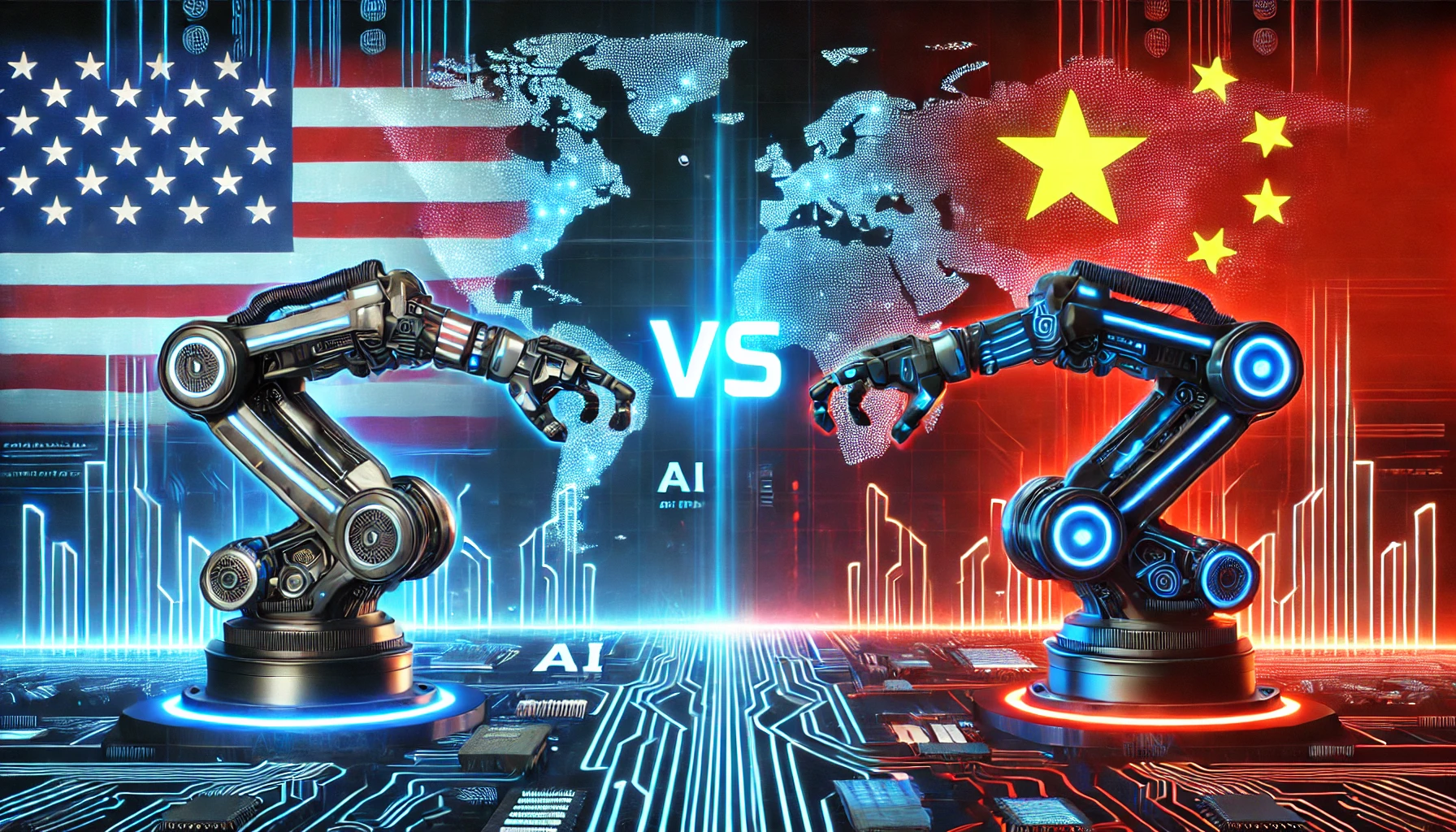
Leading U.S. robotics companies are calling on the federal government to develop a comprehensive national strategy to boost the country’s competitiveness in robotics and artificial intelligence. Industry leaders warn that without stronger policies, the U.S. risks falling behind China, which has been rapidly advancing in robotics through massive state-backed investments, industrial automation, and AI-driven manufacturing.
The Growing Robotics Race
China has emerged as a global powerhouse in robotics, dominating both industrial automation and consumer robotics. With government initiatives like the Made in China 2025 strategy and billions in funding for robotics research, the country now outpaces the U.S. in robot production and deployment.
-
China leads the world in robot density, particularly in manufacturing, where its factories rely heavily on automation.
-
Chinese firms, backed by state subsidies, are expanding globally, competing with U.S. and European robotics companies.
-
The country is making significant strides in AI-powered robotics, including autonomous systems, medical robots, and military applications.
In contrast, U.S. robotics firms face funding challenges, regulatory hurdles, and a fragmented policy approach. While companies like Boston Dynamics, iRobot, and Nvidia are at the forefront of robotics innovation, industry leaders argue that a lack of government coordination is slowing down progress.
Calls for a National Robotics Strategy
A coalition of major U.S. robotics firms, research institutions, and industry groups is now urging Washington to take decisive action. Their proposed National Robotics Strategy includes:
-
Increased Federal Funding – Boosting investment in robotics research, similar to the semiconductor industry’s CHIPS Act.
-
Tax Incentives for Automation – Encouraging U.S. manufacturers to adopt robotics to stay competitive.
-
Workforce Training Programs – Preparing American workers for jobs in robotics and AI-driven industries.
-
Stronger Supply Chain Policies – Reducing reliance on Chinese components for critical robotics technologies.
-
AI and Robotics Regulations – Ensuring ethical AI use while preventing overregulation that could stifle innovation.
"We need a coordinated strategy to keep pace with China, just as we’ve seen in other key industries like semiconductors," said Dr. Mark Reynolds, CEO of a leading U.S. robotics firm. "Without it, we risk losing technological leadership and future jobs to foreign competitors."
Government Response and Next Steps
The Biden administration has acknowledged the importance of robotics in national security and economic competitiveness. In recent months, U.S. lawmakers have introduced bills aimed at boosting robotics research and reshoring manufacturing. However, a comprehensive national robotics policy has yet to be finalized.
Industry leaders are pushing for the inclusion of robotics in federal infrastructure and technology investment plans. They are also urging closer public-private partnerships to accelerate the development of cutting-edge robotics technology.
As the global robotics race heats up, the question remains: Will the U.S. act fast enough to secure its position as a leader in robotics, or will China continue to dominate the future of automation?