
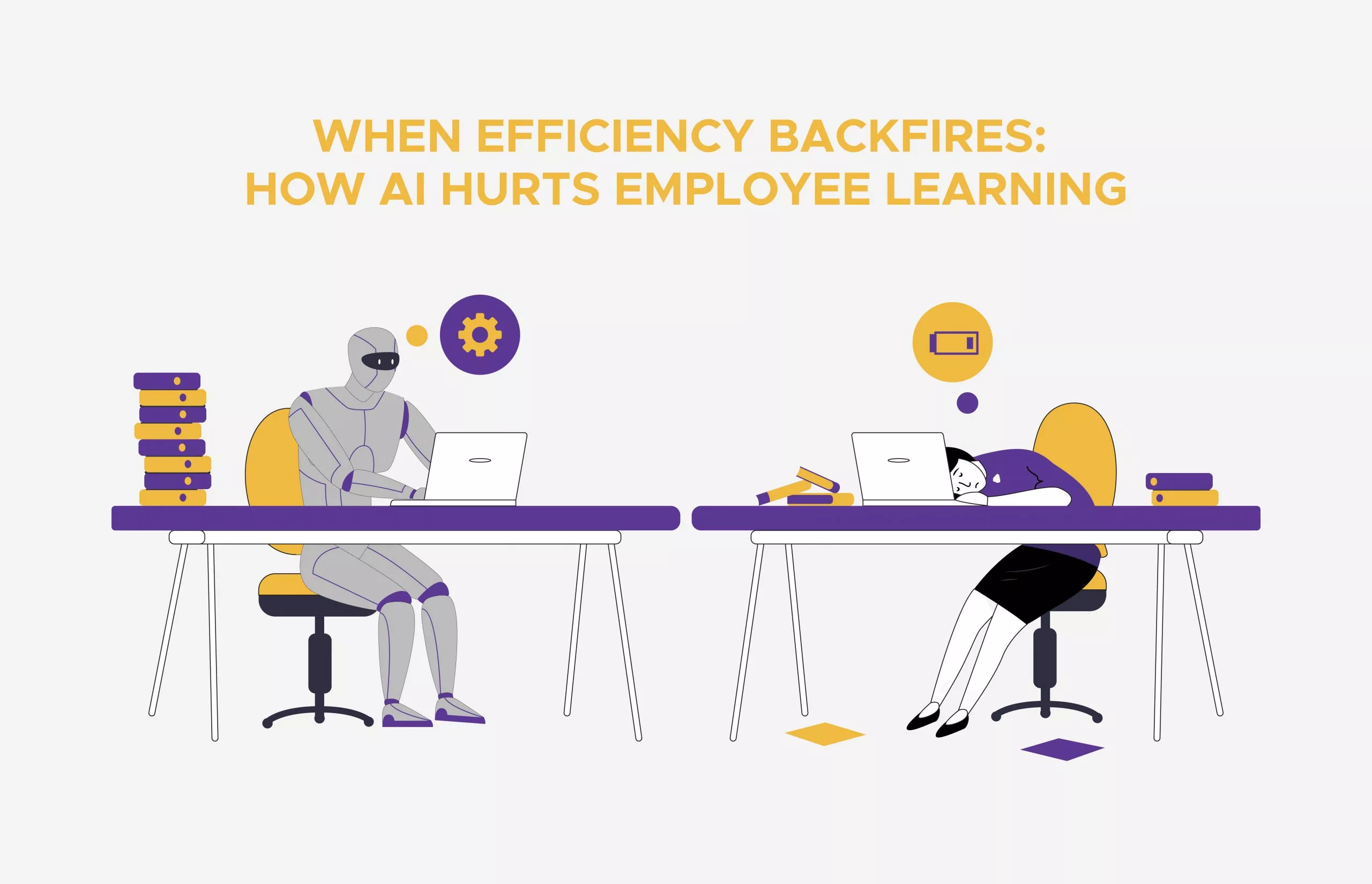
In recent months, several companies across industries have accelerated the rollout of artificial intelligence tools, expecting rapid gains in efficiency and innovation. However, emerging insights suggest that forcing employees to use AI systems is often producing the opposite effect—lower productivity, frustration, and even resistance within teams.
Organizations aiming to stay competitive have mandated AI usage in workflows such as content creation, coding, customer support, and data analysis. Yet, instead of seamless integration, many employees report confusion, lack of trust, and increased cognitive load.
Employees Struggle With Sudden Workflow Changes
One of the biggest challenges is the abrupt shift in how work gets done. Employees who are accustomed to traditional methods often find themselves grappling with unfamiliar AI interfaces and outputs that require verification.
Rather than saving time, AI tools can sometimes add extra steps—like reviewing generated content for accuracy or correcting mistakes. This has led to a paradox where tools designed to enhance productivity are, in some cases, slowing work down.
Trust Deficit Undermines AI Effectiveness
A significant barrier to successful AI adoption is the lack of trust in machine-generated results. Workers in fields like legal, journalism, and software development are especially cautious, as errors can have serious consequences.
Many employees feel uncomfortable relying on AI without clear accountability structures. This skepticism leads to underutilization or outright avoidance, defeating the purpose of implementing such technologies.
Lack of Proper Training and Support
Experts point out that companies often underestimate the importance of training. Simply deploying AI tools without comprehensive onboarding leaves employees unsure of how to use them effectively.
Without clear guidelines, best practices, and continuous support, workers may misuse AI or fail to integrate it meaningfully into their daily tasks. This results in inconsistent outputs and diminished returns on investment.
Pressure and Surveillance Concerns Grow
Another concern is the perception that AI tools are being used to monitor performance or increase output expectations. Some employees feel that mandatory AI usage is less about empowerment and more about control.
This pressure can lead to anxiety and reduced job satisfaction, ultimately affecting overall productivity and workplace morale.
Experts Call for a Balanced Approach
Industry analysts suggest that successful AI adoption requires a more thoughtful strategy. Instead of mandating usage, companies should focus on encouraging experimentation, providing training, and aligning tools with real employee needs.
Creating a culture where AI is seen as a supportive assistant rather than a compulsory system can significantly improve outcomes. Gradual integration, feedback loops, and transparency are key to unlocking AI’s full potential.
The Road Ahead for Workplace AI
As businesses continue investing heavily in artificial intelligence, the gap between expectations and reality is becoming clearer. The lesson for companies is straightforward: technology alone cannot drive transformation—people must be brought along in the process.