
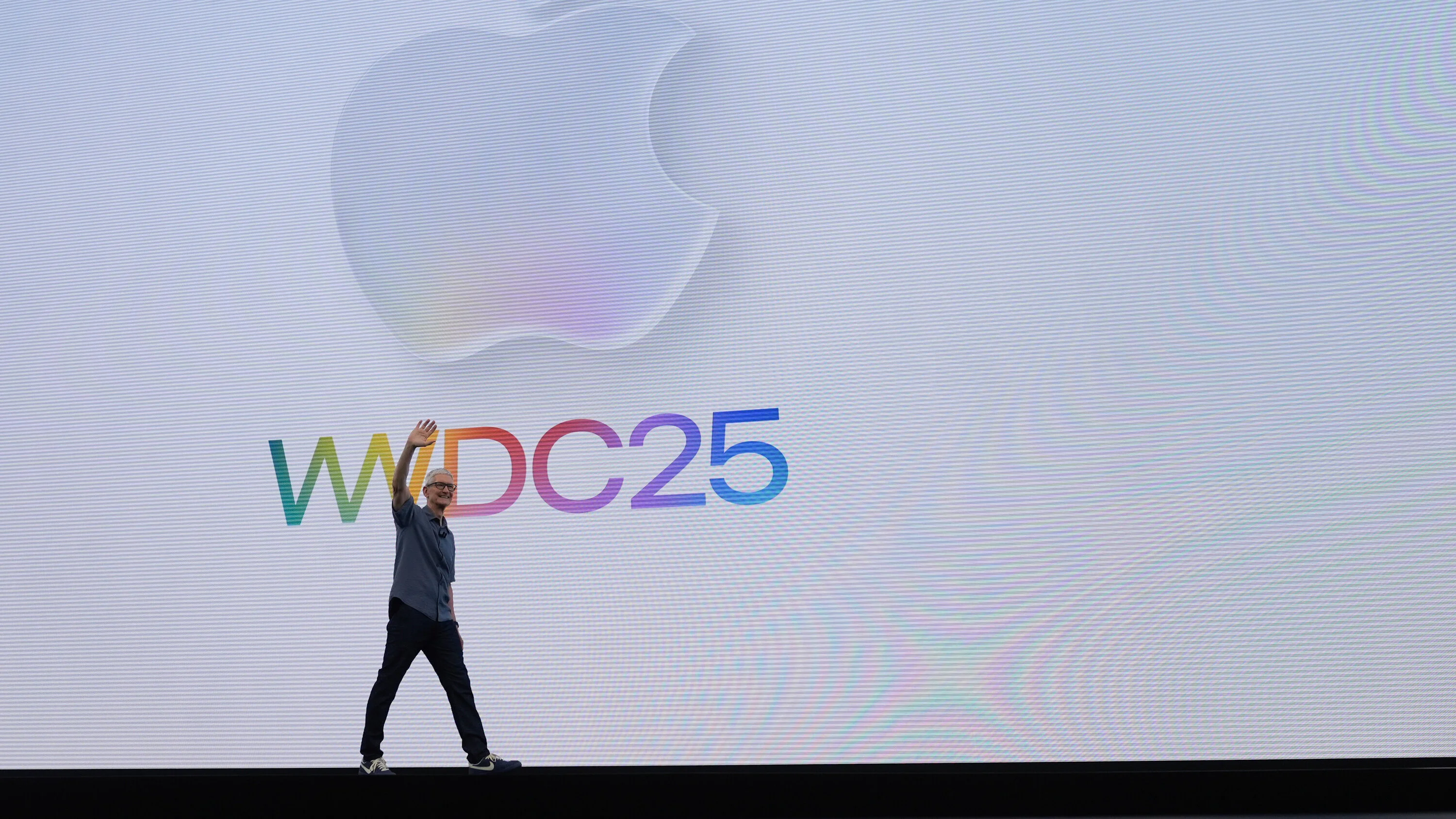
At Apple’s highly anticipated Worldwide Developers Conference (WWDC) 2025, the tech giant stunned audiences with the introduction of a ‘Liquid Glass’ design concept. This next-generation material reportedly enables smoother curves, greater durability, and edge-to-edge light diffusion across devices—blurring the line between hardware and display.
While Apple didn't confirm which future product will feature it first, industry insiders speculate the iPhone 17 or a revamped MacBook line may incorporate this futuristic material by 2026. CEO Tim Cook described it as “a new chapter in Apple’s product design language.”
AI Siri: Still in the Oven
Apple was widely expected to unveil a heavily revamped AI-powered Siri, potentially matching OpenAI’s ChatGPT or Google Gemini. However, instead of delivering a showstopper, Apple introduced “Apple Intelligence”—a cautious suite of AI features across iOS, macOS, and visionOS that left many underwhelmed.
The AI Siri demo showcased basic contextual improvements like summarizing messages and scheduling tasks—but lacked the proactive intelligence or creative fluency seen in rivals. Senior VP Craig Federighi admitted, “We’re building Siri back from the ground up. This is a multi-year journey.”
iOS 19 and macOS 15: Focus on Personalization and Privacy
The iOS 19 update brought smart widgets, live wallpapers, and hyper-personalized app stacks that respond to time, location, and user behavior. Apple also emphasized Private Cloud Compute, keeping most AI computation on-device or in Apple’s own secure servers—a stark contrast to cloud-reliant competitors.
macOS 15 “Skyline” added cross-device multitasking, real-time translation across FaceTime, and tighter integration with Apple Vision Pro, aiming to establish the Mac as the control hub for all Apple experiences.
VisionOS 2: Pushing Spatial Computing Forward
Apple also released visionOS 2, its second major update for the Apple Vision Pro headset. It introduces gesture-based navigation, eye-tracking refinements, and immersive collaborative tools for developers, especially in fields like architecture and 3D design. The headset now also supports Microsoft Office natively—hinting at enterprise adoption plans.
Developer-Centric Moves
Apple announced a revamped Xcode 16 with built-in AI code assistants, similar to GitHub Copilot, and more robust APIs for machine learning, augmented reality, and health data access. A major focus was on expanding Swift’s AI-readiness, aiming to empower developers building next-gen AI apps securely.
Apple’s AI Vision: Not There Yet, But Clear
While Apple remains behind Google and Microsoft in launching powerful consumer-facing AI tools, it is betting big on “trust, privacy, and precision”. The keynote made clear that Apple wants to build AI that’s seamlessly embedded—not flashy or intrusive.
Apple stated its AI strategy is “about long-term reliability, not quick tricks,” suggesting the company may be preparing something major—just not yet.
Official Website for Event Details:
https://developer.apple.com/wwdc25