
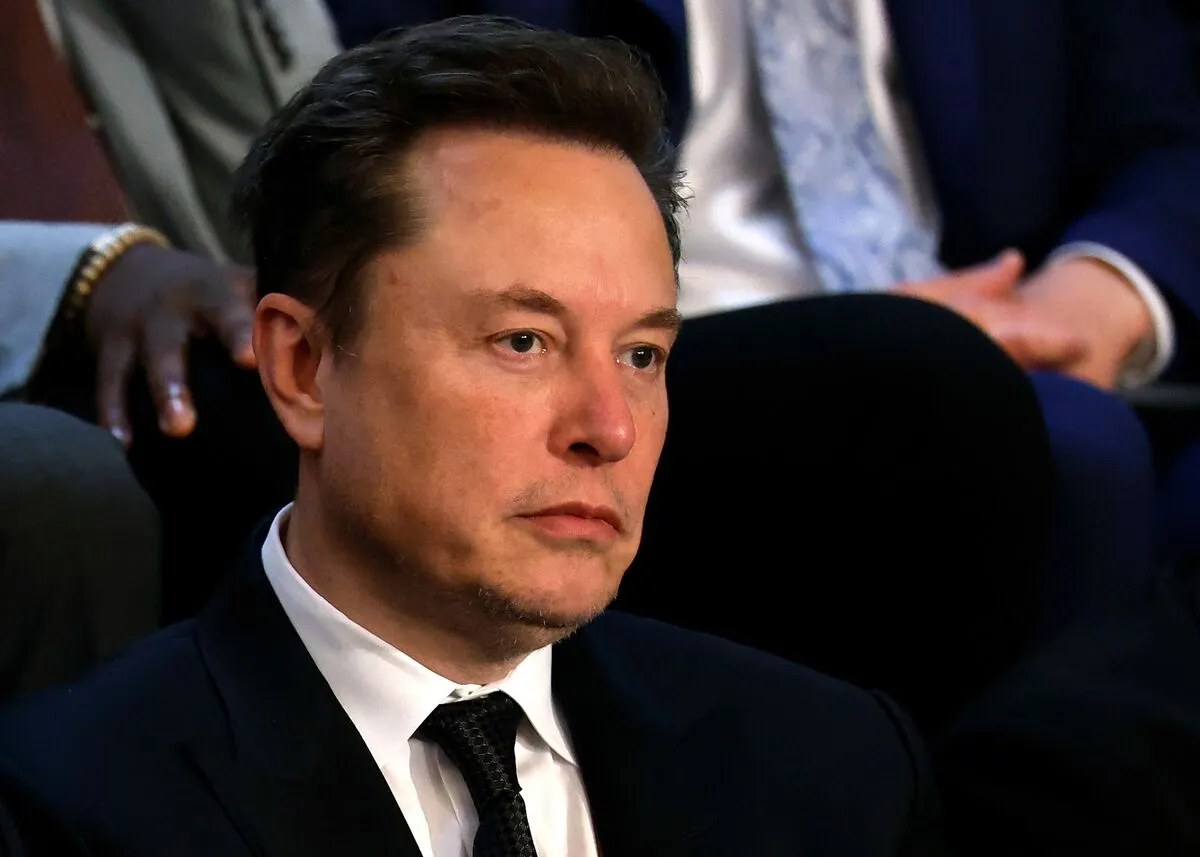
Elon Musk’s social media platform, X (formerly Twitter), has filed a lawsuit against the state of Minnesota, challenging a newly enacted law aimed at curbing the spread of “deepfakes” — digitally manipulated media that can create false and misleading representations of individuals. The lawsuit, filed in a federal district court this week, argues that the legislation violates the First Amendment and poses a threat to free expression online.
The Law in Question
The Minnesota statute, which went into effect earlier this year, criminalizes the dissemination of “deepfake” content with the intent to influence elections or harm an individual’s reputation. It particularly targets synthetic media that appears convincingly real but is created using artificial intelligence to manipulate audio, video, or images.
Under the law, those found guilty of distributing such deceptive content with malicious intent could face significant fines or imprisonment. Lawmakers have framed the statute as a response to growing concerns over AI-generated misinformation, especially in the lead-up to the 2024 U.S. elections.
X’s Legal Challenge
X’s legal team argues that while the intent behind the law is understandable, its language is overly broad and vague. According to the complaint, the statute could suppress legitimate parody, satire, and political commentary — content that is protected under the First Amendment.
"The state’s attempt to regulate synthetic media poses a chilling effect on protected speech," X stated in its filing. “The government cannot suppress speech simply because it is unsettling or controversial.”
The lawsuit further claims that the law leaves too much room for interpretation, potentially placing users and platforms in legal jeopardy for content that is artistic, comedic, or political in nature.
Reactions From State Officials
Minnesota Attorney General Keith Ellison has defended the legislation, calling it a “necessary safeguard against digital deception.” In a public statement, Ellison said the state has a duty to protect its residents and democratic institutions from “deliberate and damaging misinformation that can distort public perception and cause real-world harm.”
He added that the law targets only content disseminated with clear intent to deceive or cause injury, not constitutionally protected forms of expression.
Wider Implications
The lawsuit could have far-reaching implications as governments and tech platforms grapple with the growing prevalence of AI-generated content. Deepfake technology has advanced rapidly in recent years, raising fears about its potential to be weaponized for political manipulation, revenge porn, and other malicious uses.
Free speech advocates are closely watching the case, viewing it as a potential landmark in defining the legal boundaries of AI-created media. Critics of the Minnesota law argue that while combating misinformation is critical, overly aggressive regulation could stifle innovation and suppress legitimate expression.
X has requested that the court issue an injunction to prevent the law from being enforced while the case is under review.
What’s Next
The case is expected to proceed to hearings later this spring, with potential for appeals that could elevate it to higher courts. As similar laws are being considered in other states, the outcome of this legal battle could influence future legislation and how social media platforms moderate AI-generated content across the United States.