
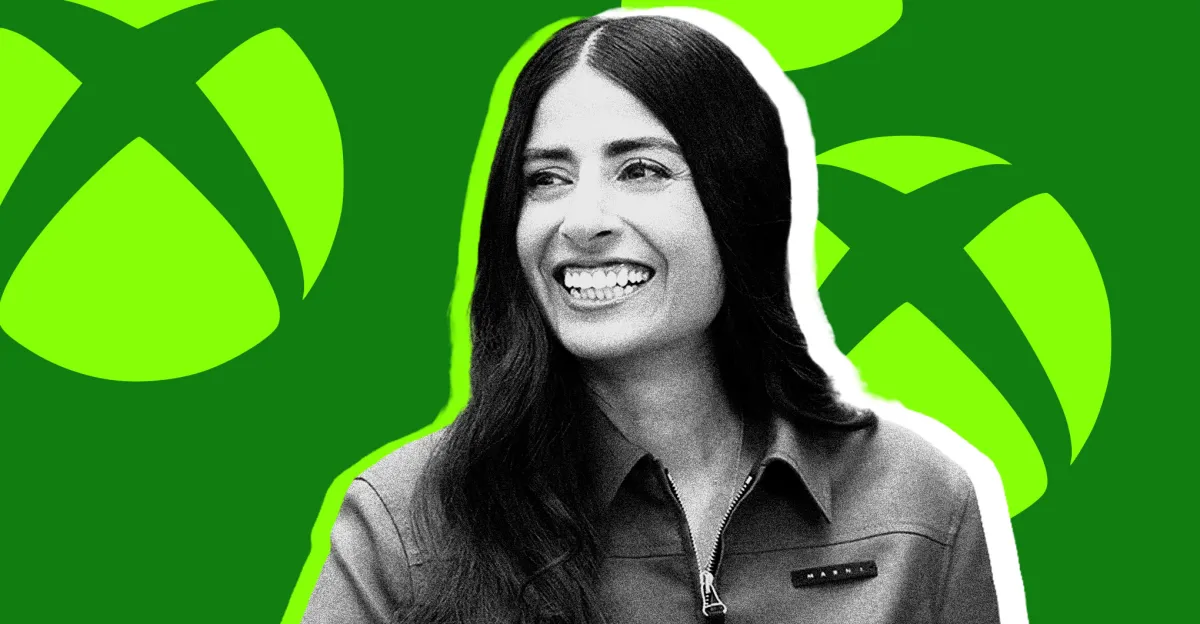
In a notable shift in tone, newly appointed Xbox chief Asha Sharma has openly acknowledged growing concerns around the pricing of Microsoft’s flagship subscription service, Game Pass. Calling it “too expensive for players” in its current form, Sharma’s statement signals a potential inflection point for one of the gaming industry’s most influential services.
Game Pass has long been positioned as a value-driven offering—providing access to hundreds of games across console, PC, and cloud for a monthly fee. However, as subscription prices have gradually increased and tier structures have become more complex, the perception of value appears to be evolving.
Game Pass: From Disruptor to Premium Service
When Microsoft first introduced Game Pass, it disrupted traditional game purchasing models by offering day-one access to first-party titles at a relatively low cost. Over time, however, pricing adjustments—especially for Game Pass Ultimate—have pushed the service closer to premium territory.
This shift reflects broader industry trends. As content libraries expand and development costs rise, subscription platforms are under pressure to balance affordability with profitability. Sharma’s remarks suggest that Xbox may now be reassessing where that balance should lie.
For players, especially in price-sensitive markets like India, even modest increases can significantly impact adoption and retention.
Rising Subscription Fatigue Across Gaming
Sharma’s comments also tap into a wider phenomenon: subscription fatigue. With multiple services competing for monthly budgets—ranging from video streaming to cloud gaming—users are becoming more selective.
Game Pass, despite its extensive catalog, is no longer competing in isolation. Players are weighing its cost against alternatives such as:
- Free-to-play ecosystems
- Seasonal battle pass models
- Discounted game sales on platforms like Steam
The question is no longer just “How many games are included?” but “How much value do I actually extract each month?”
Potential Changes: Pricing, Tiers, or Bundling
While no immediate changes have been officially announced, Sharma’s statement hints at possible strategic adjustments. These could include:
- Revised pricing tiers tailored to regional markets
- More flexible subscription plans (e.g., lower-cost, limited-access tiers)
- Bundling with other Microsoft services to enhance perceived value
- Stronger focus on cloud gaming access in emerging markets
Historically, Microsoft has shown willingness to experiment with pricing and bundling, particularly to drive adoption in newer markets.
What This Means for Players
For existing subscribers, Sharma’s remarks may raise expectations of future pricing relief or improved value propositions. For potential users, especially those on the fence, it could signal a more accessible entry point ahead.
However, any pricing reduction would need to be carefully balanced against Microsoft’s significant investments in game studios, exclusive titles, and cloud infrastructure.
Industry-Wide Implications
The significance of this development extends beyond Xbox. Game Pass has often been seen as the benchmark for subscription-based gaming. If Microsoft itself is reconsidering pricing strategy, it may influence competitors and reshape industry norms.
Sony’s PlayStation Plus, Nvidia’s cloud gaming services, and emerging subscription platforms could all feel ripple effects if Xbox moves toward more aggressive pricing or restructuring.
The Bottom Line
Asha Sharma’s candid acknowledgment marks a rare moment of introspection for Xbox’s subscription strategy. Game Pass remains a cornerstone of Microsoft’s gaming ecosystem, but its future growth may depend on recalibrating the balance between cost and perceived value.