
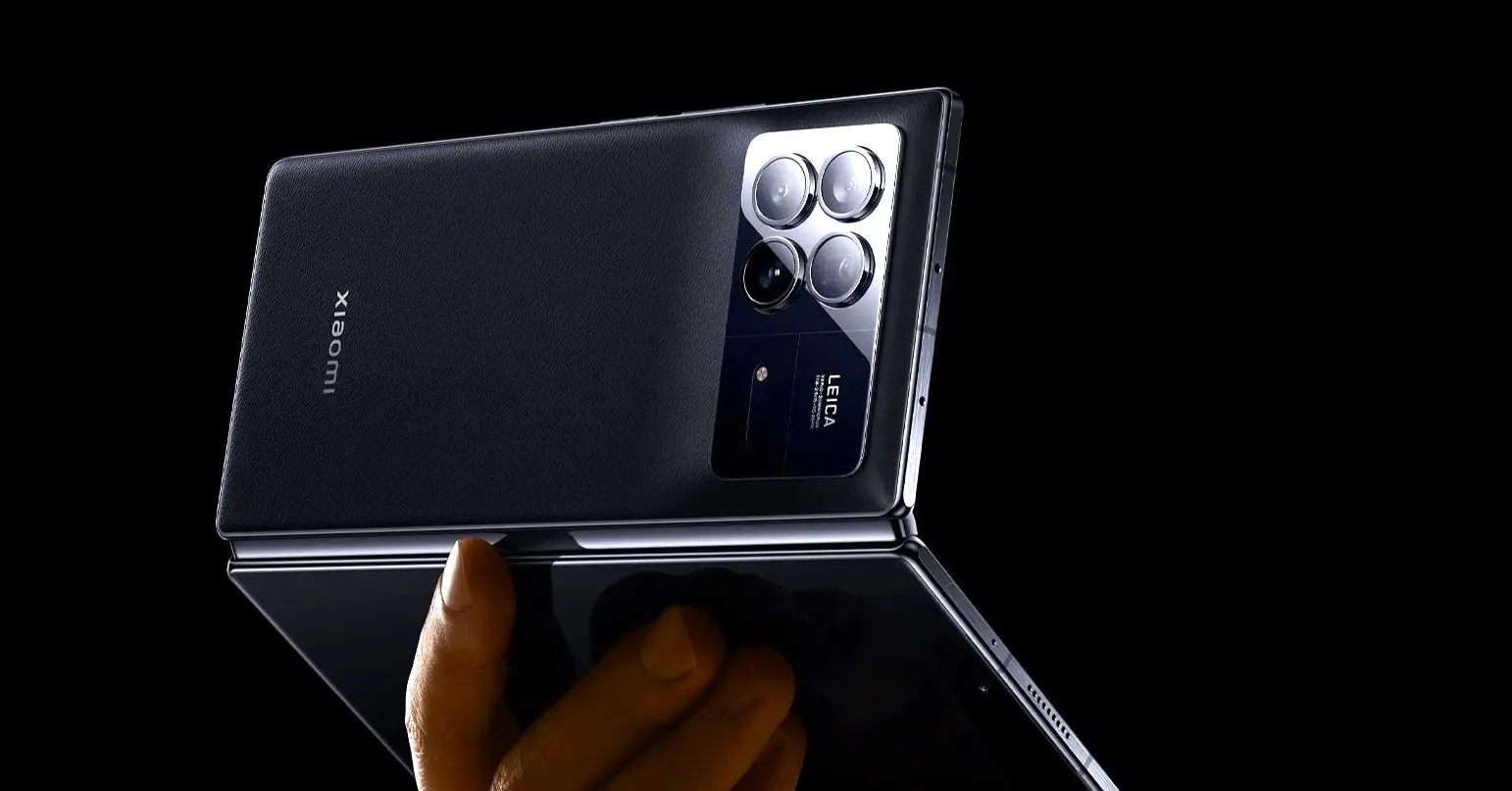
Xiaomi’s potential delay highlights a deeper shift in the foldable smartphone market—where innovation alone isn’t enough. Precision in timing, supply chain stability, and product refinement are becoming decisive factors. For consumers, this could mean a more polished device. For Xiaomi, however, it risks losing momentum in a rapidly evolving segment.
Launch Delay Rumors Surface
A fresh tipster report suggests that Xiaomi’s next foldable smartphone—widely expected to succeed the Mix Fold series—may not launch as early as previously anticipated. While earlier leaks hinted at a mid-year unveiling, new information indicates that the company could push the release further down the calendar.
The tipster did not specify an exact revised timeline, but the implication is clear: Xiaomi may be recalibrating its launch strategy rather than rushing to market.
What Could Be Causing the Delay?
1. Engineering and Design Refinements
Foldables are inherently complex devices. From hinge durability to crease visibility and display longevity, even minor improvements require extensive testing. Xiaomi has been steadily improving its foldable lineup, but competing with Samsung’s refined hinge systems and Huawei’s design innovations raises the bar significantly.
A delay could signal that Xiaomi is prioritizing:
- Better crease management
- Slimmer form factor
- Enhanced hinge durability
2. Supply Chain Pressures
The global smartphone supply chain remains sensitive, especially for high-end components like:
- Foldable OLED panels
- Ultra-thin glass (UTG)
- Advanced chipsets
If Xiaomi is sourcing next-gen components—possibly newer Snapdragon platforms or improved display materials—delays in procurement or yield rates could push timelines.
Expected Features: What the Next Xiaomi Foldable Might Offer
Although official specifications remain under wraps, industry patterns and previous leaks suggest the upcoming foldable could include:
- Next-gen Snapdragon flagship processor for improved AI and performance
- Thinner and lighter design, addressing one of the biggest criticisms of earlier models
- Improved camera system, potentially leveraging Xiaomi’s Leica partnership
- Enhanced battery efficiency, possibly with faster charging
- Refined MIUI/HyperOS optimization for foldable multitasking
These upgrades indicate Xiaomi is aiming not just to compete—but to close the gap with market leaders.
Competitive Landscape: Why This Delay Matters
Samsung’s Dominance Continues
Samsung remains the global leader in foldables, thanks to years of iteration and early market entry. Its Galaxy Z Fold and Flip series continue to set benchmarks in durability and software optimization.
Huawei and Others Gaining Ground
Huawei, despite geopolitical constraints, has pushed aggressive innovation in foldables, especially in China. Meanwhile, brands like Honor and Oppo are also refining their offerings.
Xiaomi’s Position at Risk
A delayed launch could:
- Reduce Xiaomi’s visibility during key product cycles
- Allow competitors to capture early adopters
- Impact brand perception in the premium segment
However, if the delay results in a significantly better product, the long-term payoff could outweigh short-term setbacks.
Market Insight: Foldables Enter a Maturity Phase
The foldable smartphone category is transitioning from experimentation to refinement. Early adopters have already embraced the concept. Now, the focus is on:
- Reliability over novelty
- Practical usability improvements
- Competitive pricing
Xiaomi’s decision—intentional or forced—to delay could reflect this broader industry shift toward quality over speed.
What This Means for Buyers
For consumers considering a foldable upgrade:
- Waiting might offer access to a more refined Xiaomi device
- Price competition could intensify as more brands enter the segment
- Software optimization is becoming just as important as hardware
If you’re not in a rush, Xiaomi’s next foldable could still be worth watching—especially if it delivers meaningful improvements.
Conclusion: A Delay That Could Define Xiaomi’s Foldable Future
While a delayed launch might initially appear as a setback, it could ultimately position Xiaomi more competitively—provided the extra time translates into tangible improvements. In a segment where user experience is critical and first impressions matter, Xiaomi seems to be choosing caution over haste.