
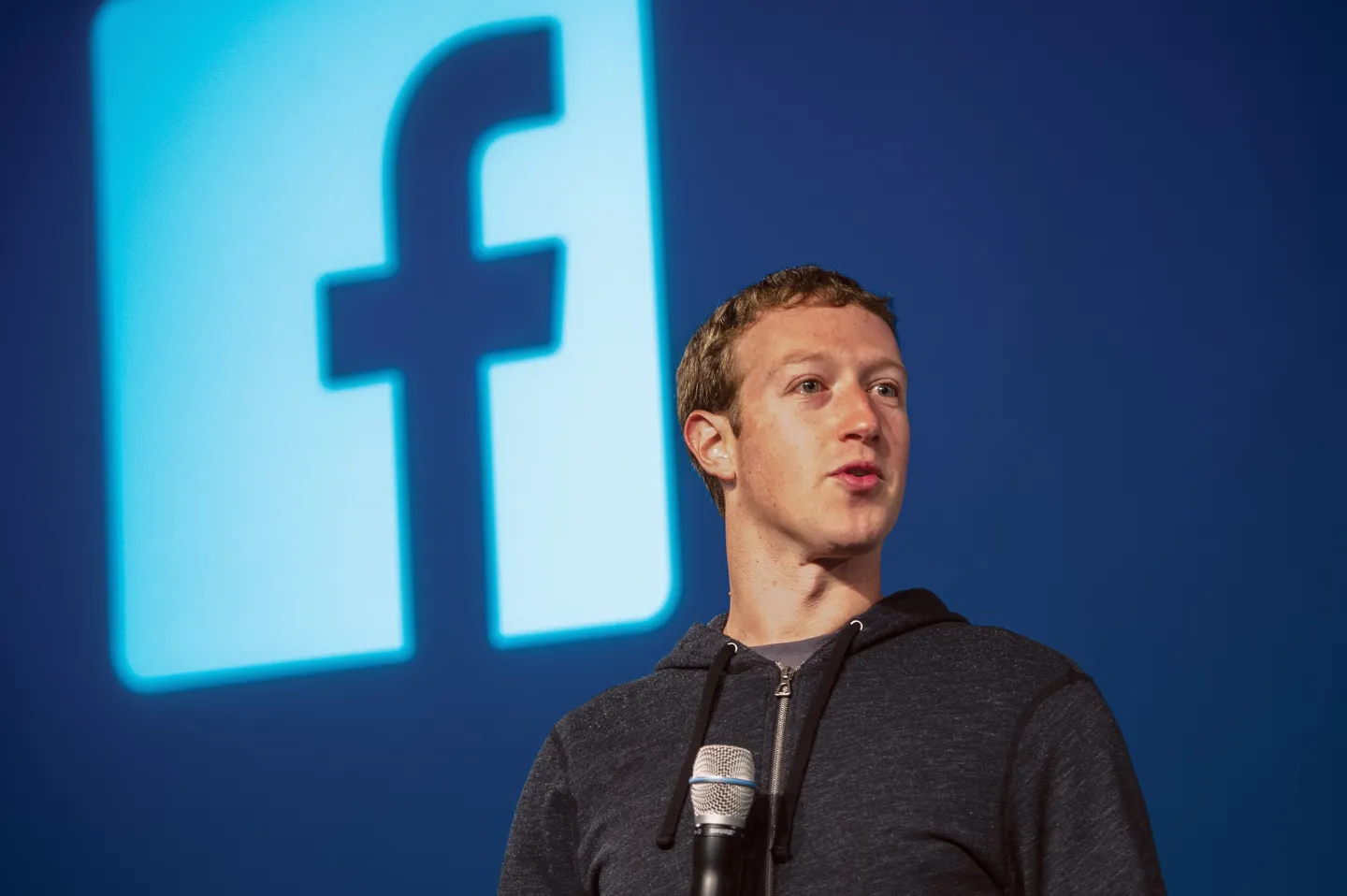
Meta Platforms CEO Mark Zuckerberg appeared in federal court this week to testify in a historic antitrust trial brought by the U.S. Federal Trade Commission (FTC). The case, which could significantly alter the future of Big Tech regulation in America, centers on Meta’s acquisitions of Instagram in 2012 and WhatsApp in 2014—moves that the FTC now claims were aimed at stifling competition and consolidating monopoly power.
The courtroom in Washington was packed as Zuckerberg, a central figure in the rise of social media dominance, took the witness stand for hours of questioning. Dressed in a dark suit and tie, he was calm and composed as he defended the strategic rationale behind Meta’s major purchases, insisting they were legal, competitive investments that ultimately benefited consumers.
FTC's Core Argument
At the heart of the FTC's case is the allegation that Meta—then Facebook—systematically acquired emerging rivals to neutralize competitive threats. Prosecutors argue that Instagram, at the time a fast-growing photo-sharing app, and WhatsApp, a secure messaging platform, posed legitimate threats to Facebook’s dominance in social networking. Instead of competing on innovation, the FTC claims, Facebook eliminated the threat by purchasing them.
“Facebook didn’t win the market through competition—it bought it,” said FTC lead attorney Sarah Cardell during opening arguments. “These acquisitions reduced consumer choice, weakened privacy standards, and locked users into Meta’s ecosystem.”
The FTC is seeking remedies that could include the forced divestiture of Instagram and WhatsApp, a drastic move that would reshape not only Meta’s empire but also the broader technology landscape.
Zuckerberg’s Defense
Zuckerberg pushed back strongly against the allegations, framing the acquisitions as vital to Meta’s vision of a connected world. “Instagram and WhatsApp were small startups with uncertain futures,” he said. “We provided the resources they needed to scale and serve billions of people globally.”
He rejected the idea that the deals were primarily about eliminating competition. “We faced fierce competition then, and we still do today—from TikTok, YouTube, Snapchat, and a new wave of AI-driven platforms,” Zuckerberg testified.
Under cross-examination, he was shown internal emails and memos that appeared to frame the acquisitions as strategic moves to counter potential threats, including one where he mentioned the need to “neutralize competitors.” Zuckerberg acknowledged the documents but insisted the language was taken out of context and reflected broad strategy discussions, not monopolistic intent.
Broader Implications
The trial marks one of the most significant challenges to the power of Big Tech in recent memory. It comes amid a global wave of regulatory scrutiny targeting the consolidation and market influence of major digital platforms. European regulators have long taken a more aggressive stance on tech mergers, and the outcome of this U.S. case could set a new precedent for domestic antitrust enforcement.
Legal experts note the difficulty in unraveling deals that were approved years ago, especially given the scale and integration of WhatsApp and Instagram into Meta’s infrastructure.
“It’s not just about legal theory—it’s about whether courts are willing to unwind the clock on Silicon Valley’s most iconic deals,” said Dr. Rebecca Hall, a professor of antitrust law at Georgetown University. “The stakes here are enormous.”
What’s Next?
The trial is expected to continue for several more weeks, with testimony from additional Meta executives, economists, and industry analysts. A ruling is not expected until later this year, but the case is already prompting renewed calls for Congress to modernize U.S. antitrust laws to better address the digital age.