 TECH TIMES NEWS
The AI Coding Boom
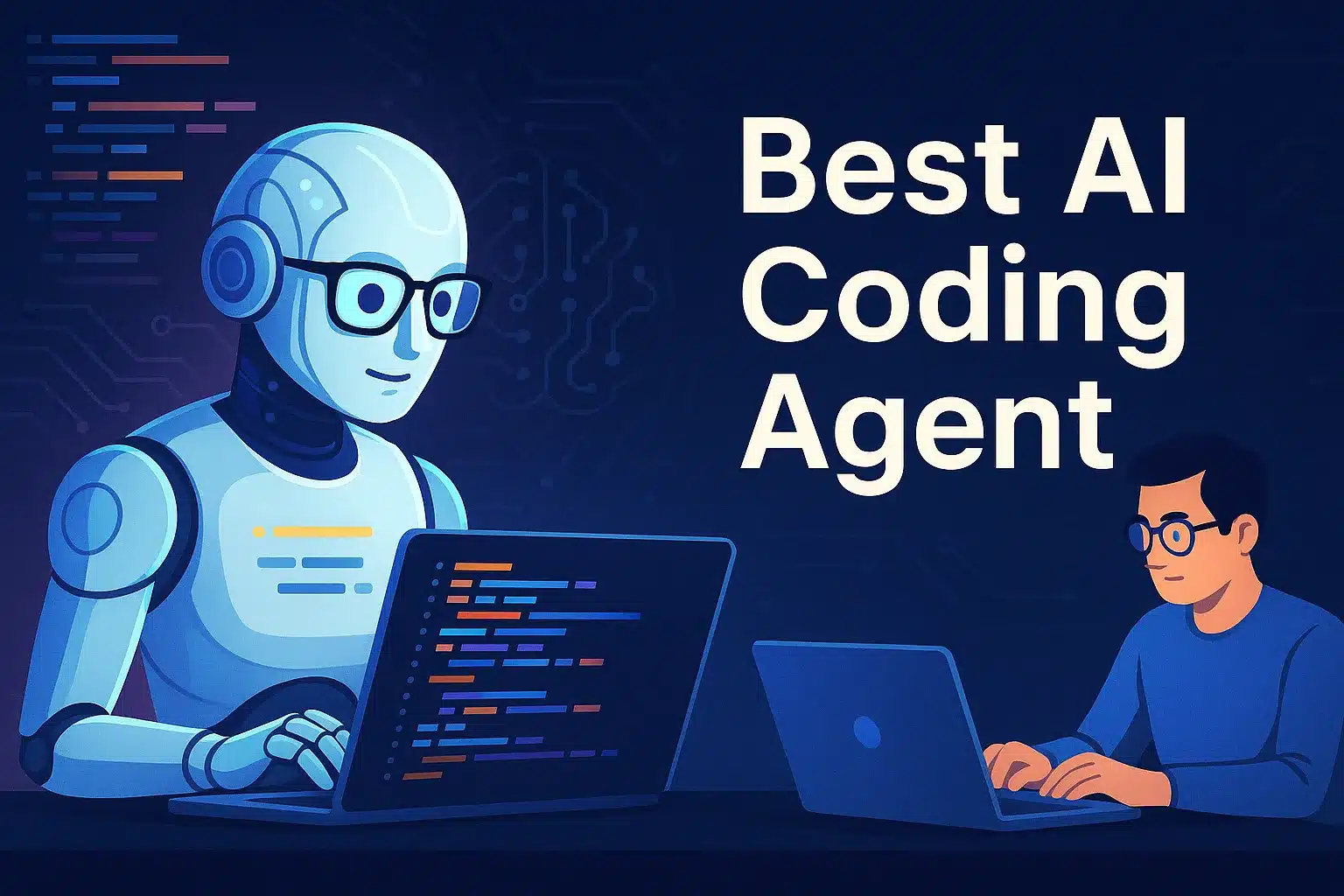
Artificial Intelligence has rapidly woven itself into the fabric of software development. Tools like GitHub Copilot, ChatGPT, CodeWhisperer, and others have become indispensable for many programmers. They autocomplete code, offer debugging advice, and even generate complex algorithms in seconds. This has led to exponential productivity gains across the industry.
Why Developers Embrace AI
Developers save significant time using AI tools. Routine tasks like writing boilerplate code, generating unit tests, or converting code from one language to another have become faster and less error-prone. For junior programmers, AI also acts as a learning aid, providing immediate explanations and examples.
The Hidden Risks of AI-Generated Code
Despite these benefits, recent studies and industry feedback caution against blind reliance on AI. AI models can and do generate incorrect, insecure, or inefficient code. Unlike human developers, AI doesn’t truly “understand” the logic behind the code. This lack of contextual comprehension can lead to subtle bugs or vulnerabilities, particularly in security-sensitive applications.
Real-World Incidents Raise Red Flags
In 2023, researchers at Stanford and NYU found that a significant portion of AI-generated code contained serious security flaws. In some cases, AI tools introduced outdated functions, hardcoded credentials, or insufficient input validation—posing risks of data leaks or system breaches.
Ethical and Legal Concerns
AI coding tools have also raised intellectual property issues. There have been questions about whether AI models trained on public repositories inadvertently reproduce copyrighted code. Moreover, the use of AI in regulated industries—like healthcare or finance—must meet stringent compliance and ethical standards that AI alone cannot navigate.
Human Coders: The Irreplaceable Gatekeepers
Industry leaders emphasize that AI is a co-pilot, not an autopilot. Human developers are still essential for code reviews, architecture design, and ensuring that the final product aligns with business goals and ethical standards. Developers must also vet AI-suggested code for quality, security, and relevance.
The Future: Collaborative Intelligence
The most effective approach to modern software development is collaborative intelligence—a blend of human creativity and machine efficiency. Companies are already implementing hybrid workflows, where AI assists but does not decide. These workflows often involve AI suggestions being reviewed and edited by human experts, ensuring safety and quality.
Conclusion
AI is revolutionizing how we write code, but it’s not yet ready to work without human supervision. The best results come from using AI as a powerful assistant, not a standalone developer. As the technology advances, the need for human oversight will evolve—but never disappear. In the end, it’s not man vs. machine—it’s man with machine.