 TECH TIMES NEWS
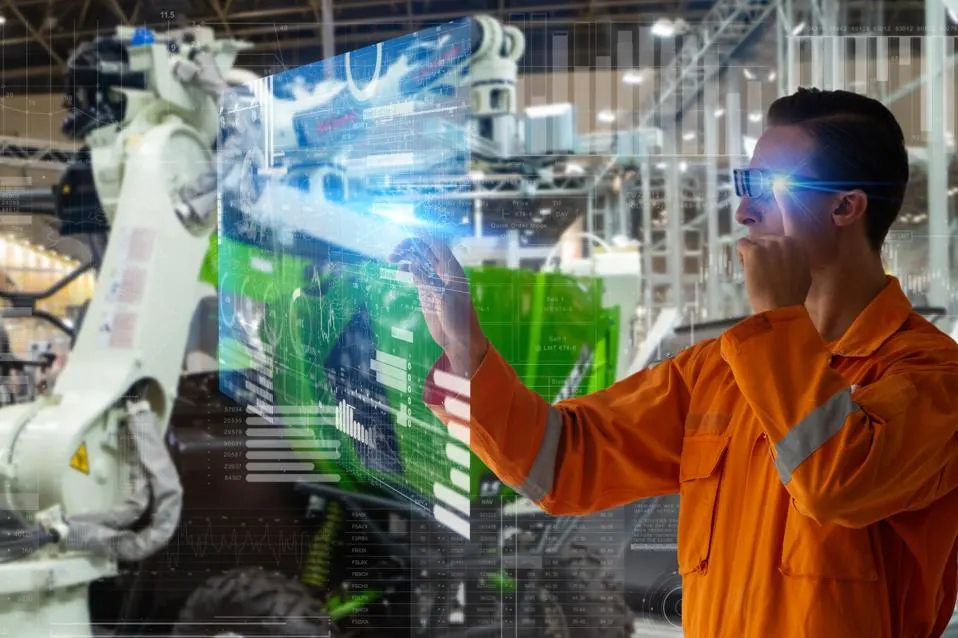
The manufacturing sector is undergoing a profound shift, thanks to the infusion of Artificial Intelligence (AI). What was once considered a labor-intensive, mechanical domain is now becoming a hub of intelligent systems. From assembly lines to quality control, AI-powered systems are enabling machines to not just act, but also "think" and "learn."
🤖 Robotics and Automation Get Smarter
AI has enhanced robotics beyond basic programming. Today's robots are adaptive, vision-enabled, and collaborative. Known as cobots, these machines work alongside human workers, optimizing production efficiency and ensuring safety. Machine learning algorithms enable them to recognize patterns and adjust operations in real time.
🔍 Predictive Maintenance Reduces Downtime
Traditional maintenance is reactive, often resulting in costly downtimes. AI changes that with predictive maintenance. Using sensors and analytics, AI systems monitor equipment health, forecast failures, and schedule timely maintenance. This not only extends machine lifespan but significantly cuts operational costs.
📈 AI-Driven Quality Control
AI systems now use computer vision to detect defects in products with microscopic precision. High-speed cameras and deep learning algorithms inspect thousands of items per minute, ensuring superior quality control. This leads to reduced waste, improved customer satisfaction, and streamlined compliance with global standards.
🌐 Real-Time Supply Chain Optimization
Manufacturers today rely on just-in-time supply chains. AI helps them navigate disruptions with real-time tracking, demand forecasting, and inventory optimization. Whether it's responding to a spike in orders or rerouting shipments, AI makes the entire process more agile and resilient.
🧬 Generative Design and Simulation
Design engineers are leveraging AI to create innovative product designs using generative algorithms. These systems analyze constraints and goals to propose optimized solutions that humans might never consider. Coupled with digital twins and simulation tools, companies can test products virtually before any physical prototype is made.
🔮 Future Outlook: Toward Autonomous Manufacturing
The ultimate goal is autonomous manufacturing—factories that operate with minimal human intervention. As AI continues to evolve, integration with technologies like 5G, IoT, and quantum computing will further accelerate this shift. The future may soon see self-healing machines, decentralized production, and hyper-personalized manufacturing at scale.
🌍 Conclusion: AI Is Not Replacing, But Empowering
While AI is transforming manufacturing, it’s not replacing humans—it’s enhancing human potential. Workers are being upskilled to manage and collaborate with AI systems, shifting from repetitive tasks to strategic roles. This synergy between human intelligence and artificial intelligence is crafting the factories of tomorrow—smarter, faster, and undeniably stronger.