 TECH TIMES NEWS
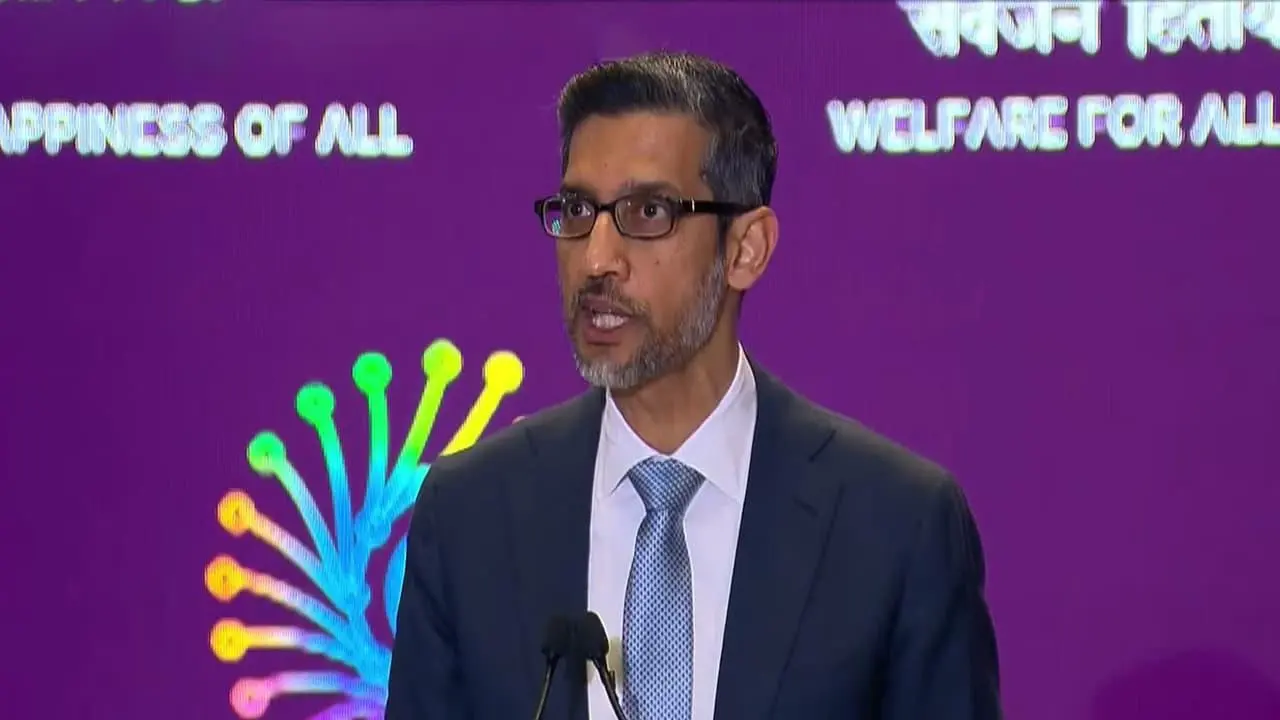
Google CEO Sundar Pichai has described artificial intelligence as a transformative force ushering in an era of “hyper progress,” arguing that the technology has the potential to dramatically accelerate economic and social development across the globe. Speaking at a recent global forum, Pichai emphasized that AI represents one of the most significant technological shifts of the modern era — comparable to the advent of electricity or the internet.
According to Pichai, AI is not merely an incremental innovation but a foundational technology that is reshaping industries, redefining productivity, and enabling entirely new forms of creativity and problem-solving.
A Leapfrogging Opportunity for Emerging Economies
Highlighting the implications for developing nations, Pichai noted that AI offers emerging economies a rare opportunity to “leapfrog” traditional development cycles. Instead of following decades-long industrialization paths, countries can harness AI-driven tools in healthcare, education, agriculture, and financial services to accelerate progress.
He pointed out that mobile technology once enabled many regions to bypass landline infrastructure. Similarly, AI-powered digital platforms can help nations skip legacy systems and build smarter, more efficient ecosystems from the ground up.
From AI-assisted diagnostics in rural healthcare centers to automated translation tools breaking language barriers, the technology is already demonstrating its potential to democratize access to critical services.
Driving Productivity and Economic Inclusion
Pichai stressed that AI could significantly boost productivity, particularly for small businesses and startups in developing markets. By lowering barriers to entry and reducing operational costs, AI tools can empower entrepreneurs to compete at a global scale.
He also highlighted AI’s role in financial inclusion, enabling better credit assessment models and expanding access to banking services for underserved populations. With intelligent automation and data-driven insights, governments and businesses can make faster, more informed decisions.
Responsible AI Development Remains Critical
While optimistic about AI’s potential, Pichai underscored the importance of responsible innovation. He called for collaboration between governments, technology companies, academia, and civil society to ensure AI systems are safe, transparent, and equitable.
He noted that clear regulatory frameworks, ethical standards, and investments in digital skills are essential to ensuring AI benefits are widely distributed. Workforce reskilling and education will be crucial as automation transforms traditional job roles.
Investing in AI Infrastructure and Talent
Pichai emphasized that to fully capitalize on AI-driven growth, countries must invest in digital infrastructure, cloud computing capabilities, and talent development. Expanding internet access and improving computational resources will play a key role in enabling AI adoption at scale.
He also highlighted the importance of nurturing local innovation ecosystems, supporting startups, and encouraging research in AI to build sustainable technological independence.
The Next Chapter of Global Innovation
Concluding his remarks, Pichai described AI as a defining technology of the century — one capable of driving unprecedented economic expansion and societal progress. If harnessed responsibly, he said, AI can help bridge inequality gaps and unlock opportunities for billions of people worldwide.
As governments and industries race to integrate AI into their systems, the coming decade may determine how effectively this “hyper progress” translates into inclusive and sustainable development.