 TECH TIMES NEWS
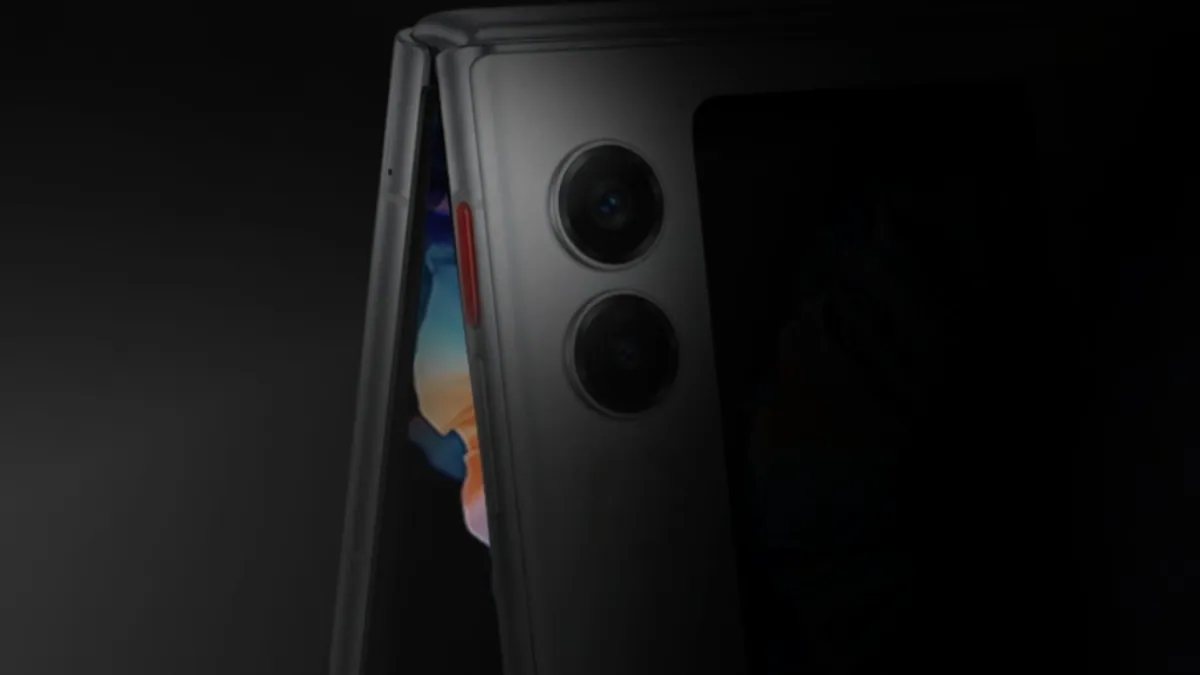
Ai+ Smartphone has officially confirmed plans to enter the foldable smartphone category with the launch of its first flip-style device, dubbed NovaFlip, scheduled for Q1 2026. The move places the brand among a growing list of manufacturers betting on compact foldable designs to attract premium and style-focused consumers.
NovaFlip Expected to Focus on Design and Portability
Industry watchers suggest that NovaFlip will adopt a clamshell-style foldable form factor, designed to offer a compact footprint when closed while unfolding into a full-sized display. This design has gained popularity for combining nostalgia with modern usability, especially among users seeking portability without compromising screen real estate.
AI-Centric Features Likely to Be a Core Differentiator
True to its branding, Ai+ Smartphone is expected to emphasize AI-powered capabilities in NovaFlip. These could include intelligent camera enhancements, on-device generative AI features, adaptive battery management, and contextual assistance aimed at daily productivity and content creation. While official specifications remain under wraps, AI-led software optimization is likely to be a key selling point.
Competitive Pricing Could Be Ai+ Smartphone’s Strategy
Unlike established foldable players that often price devices at the ultra-premium end, Ai+ Smartphone may adopt a more aggressive pricing strategy to widen adoption. If positioned correctly, NovaFlip could appeal to first-time foldable buyers looking for an accessible entry point into the segment.
Launch Timeline and Market Expectations
With a Q1 2026 launch window, NovaFlip is expected to debut alongside next-generation mobile processors and improved foldable display durability. Analysts believe the timing allows Ai+ Smartphone to refine its hardware and software experience while capitalizing on growing consumer interest in foldable smartphones.
What NovaFlip Means for the Foldable Market
The announcement highlights how foldables are transitioning from niche to mainstream. Ai+ Smartphone’s entry could intensify competition, drive innovation, and potentially push prices lower, benefiting consumers across global markets.