 TECH TIMES NEWS
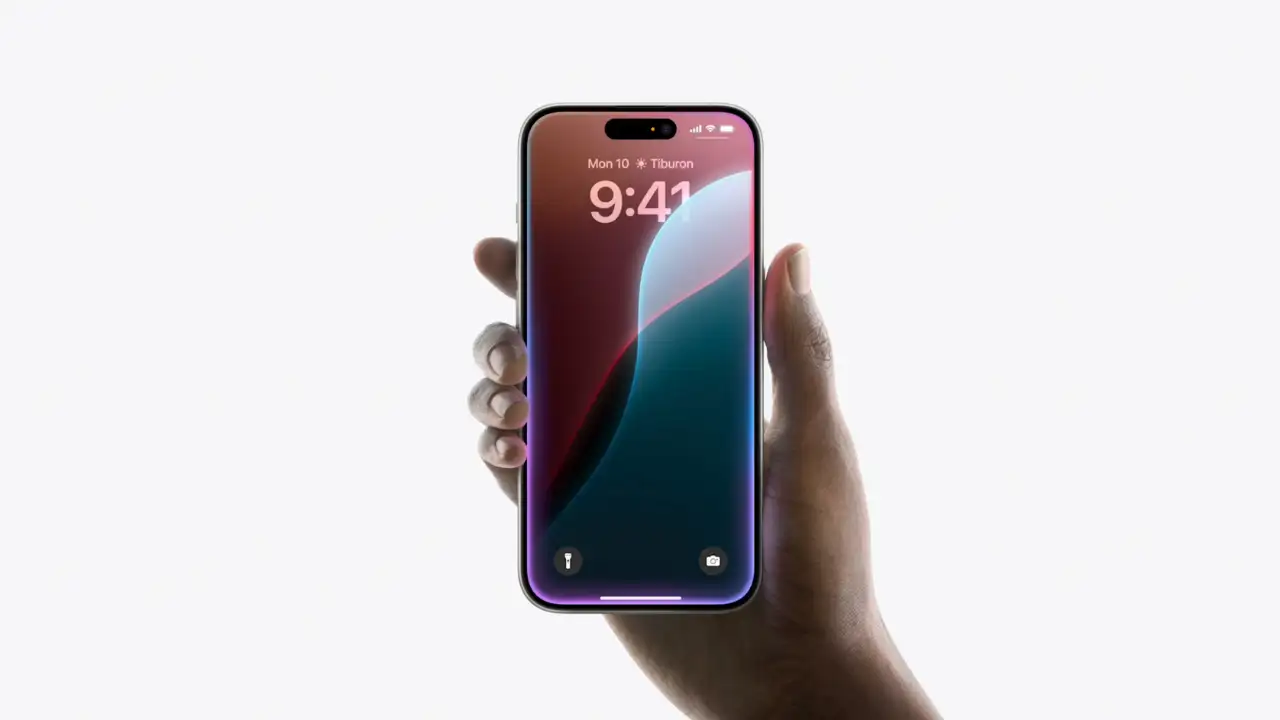
Apple’s much-anticipated September event finally unveiled the iPhone Air, a lighter and sleeker addition to its flagship lineup. The device aims to strike a balance between performance and affordability, featuring upgraded internals, improved battery efficiency, and a refined design. Positioned as a bridge between the standard iPhone and the Pro models, the iPhone Air is expected to attract consumers who value performance without the premium price tag.
Design and Features That Impress
The iPhone Air sports a slimmer profile with enhanced durability, a brighter display, and improved camera features powered by Apple’s latest A-series chip. While it doesn’t carry the full feature set of the Pro series, the model prioritizes efficiency and style, making it appealing to users looking for a fresh upgrade without overspending.
AI Promises Still on Hold
While many speculated that Apple would finally showcase groundbreaking AI features, the company’s presentation kept its AI ambitions largely under wraps. Siri’s rumored generative AI upgrade didn’t get a release timeline, disappointing those expecting Apple to step into the AI race more aggressively. Instead, Apple emphasized its focus on refining user experience and hardware innovation.
Market Strategy and Consumer Expectations
Analysts suggest Apple is playing a longer game with AI, ensuring its offerings are polished and privacy-focused before entering the mainstream market. The iPhone Air, meanwhile, fills an important niche, giving Apple a competitive edge in mid-tier premium smartphones while buyers wait for stronger AI integration.
The Road Ahead
Apple’s strategy suggests a careful balancing act—leading with dependable hardware innovation while keeping AI projects simmering in the background. With competitors racing to integrate AI into everyday experiences, Apple’s cautious approach could either pay off with a more mature rollout or risk losing momentum in the rapidly evolving tech landscape.