 TECH TIMES NEWS
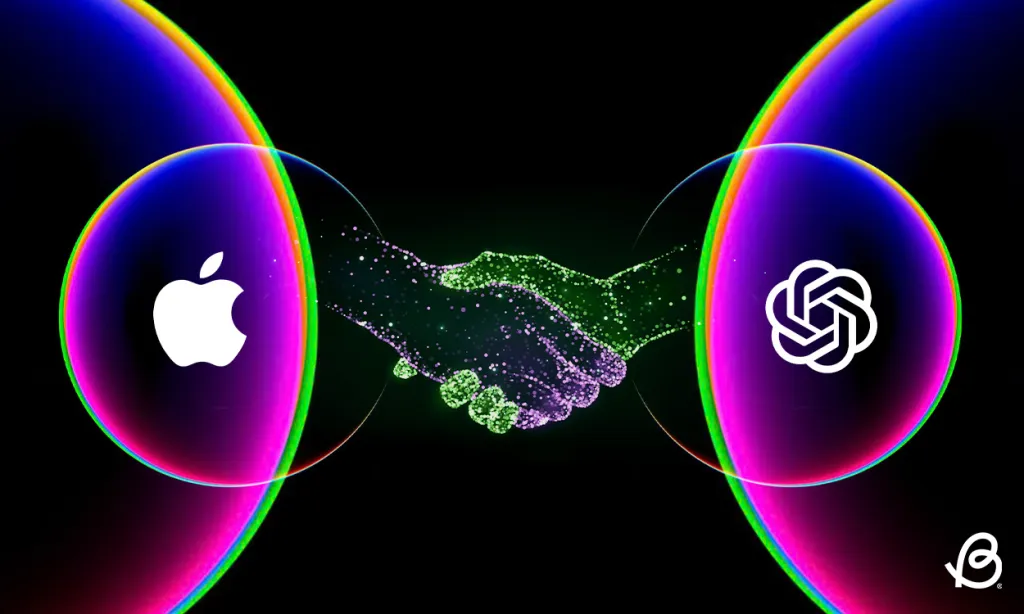
Apple Inc., long revered for its innovation and product craftsmanship, is now facing mounting scrutiny over its position in the fast-moving artificial intelligence (AI) landscape. As rivals like Microsoft, Google, and OpenAI rapidly advance in generative AI technologies, some analysts and industry insiders are questioning whether Apple is struggling to keep pace—or even falling behind.
The AI Boom—and Apple’s Absence
Since the public release of OpenAI’s ChatGPT in late 2022, the AI race has intensified at breakneck speed. Microsoft integrated OpenAI’s models into its Office suite and Bing search engine, rebranding the latter as an AI-first experience. Google launched Gemini and is now aggressively embedding AI across its services and Android platform. Meta is deploying generative AI tools in its social products, and Amazon continues to evolve Alexa into a more conversational assistant.
In contrast, Apple has been notably quiet.
While the Cupertino-based company has integrated machine learning across its ecosystem for years—Siri, photo categorization, predictive text—its presence in the generative AI conversation has been minimal. The tech world is now waiting for Apple to make a major move.
Internal Turbulence and Secretive Development
Sources close to Apple’s operations report that the company is working on its own large language model, internally known as “Ajax.” Apple is also rumored to be developing a private on-device AI assistant that emphasizes privacy, potentially a differentiator from cloud-based competitors. However, as of mid-2025, there’s been no public demo, product integration, or significant AI rollout.
Former Apple engineers and insiders have pointed to a corporate culture that values secrecy and tightly controlled user experiences—factors that may be slowing Apple’s ability to compete in a space where openness and rapid iteration are proving advantageous.
Siri: The Weak Link?
Siri, Apple’s flagship AI assistant since its 2011 debut, is now seen as outdated by many users. Compared to more dynamic AI models capable of engaging conversations, real-time problem solving, and contextual memory, Siri still relies on rigid command structures and limited integration with third-party tools.
While Apple has reportedly made behind-the-scenes improvements to Siri’s architecture, public perception remains lukewarm. “It feels like Siri’s stuck in 2017,” one iPhone user told us. “Meanwhile, I can have a full conversation with ChatGPT or Gemini.”
Apple’s AI Strategy: Different by Design?
Despite criticisms, Apple may be playing a long game. Unlike Google and Microsoft, which rely heavily on ad-based and cloud services, Apple earns the majority of its revenue from hardware. Its AI strategy might be designed to serve device-centric experiences, focused on user privacy, efficiency, and reliability.
Tim Cook has emphasized that Apple will only release AI features when they are “deeply integrated, thoughtfully designed, and privacy-first.” That approach might mean fewer flashy announcements, but potentially more refined user experiences when they do arrive.
WWDC 2025: The Moment of Truth?
The upcoming Worldwide Developers Conference (WWDC) in June 2025 could be a turning point. Rumors suggest Apple is preparing to unveil a revamped version of Siri powered by a new generative model, along with system-wide AI features in iOS 19 and macOS 15.
Leaked internal documents hint at features like AI-assisted writing tools, smart replies in Mail, and real-time language translation—all running on-device thanks to Apple Silicon’s increasingly powerful neural engines.
If true, this could mark Apple’s official entrance into the generative AI market, potentially reshaping perceptions.
Conclusion: Behind, or Biding Time?
It’s too early to declare Apple out of the AI race. The company’s track record of entering markets late but dominating—smartphones, wearables, and wireless earbuds—suggests a cautious but calculated strategy. Still, in an industry where visibility, momentum, and developer interest matter, Apple’s relative silence could be costing it influence.
For now, the tech world waits. But in the age of AI, where perception shifts fast, Apple will need more than anticipation to prove it can still lead.