 TECH TIMES NEWS
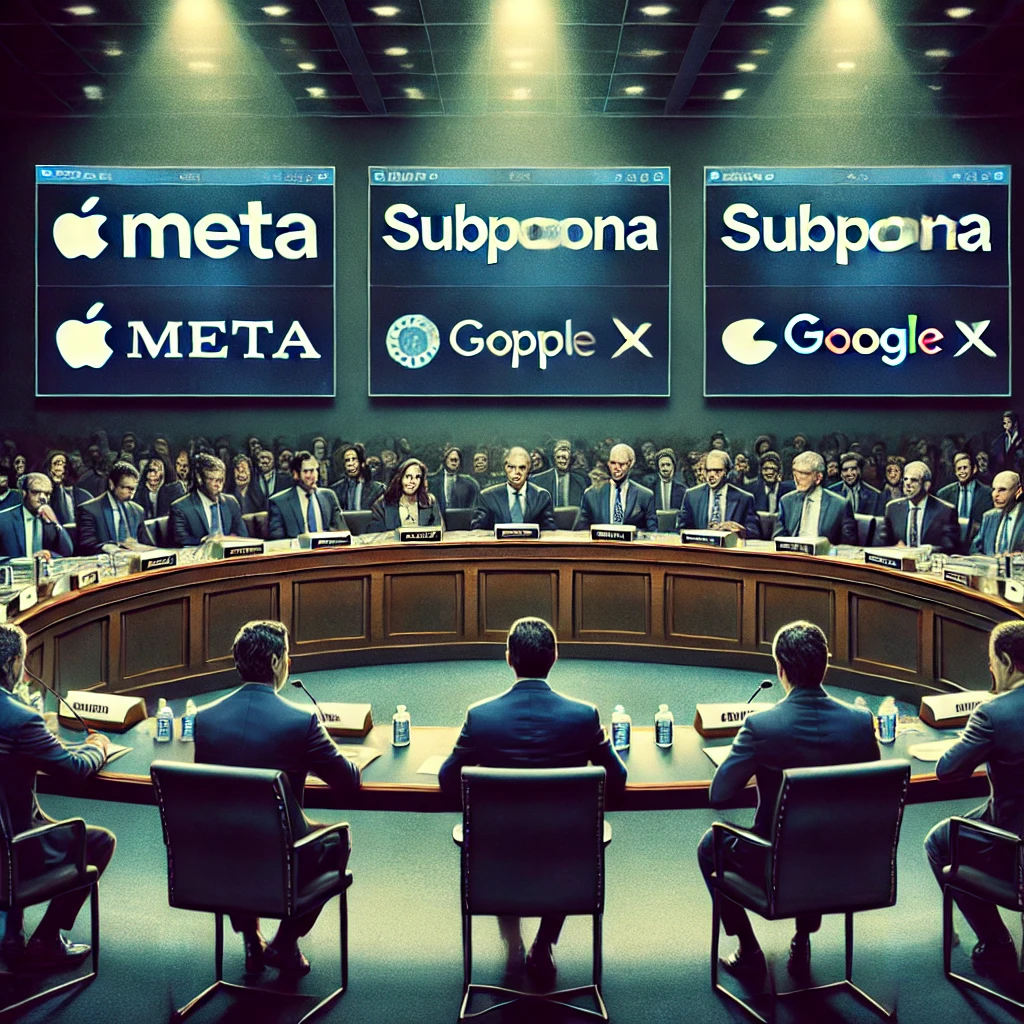
Several major technology companies, including Alphabet (Google’s parent company), Meta, Apple, and X (formerly Twitter), have been subpoenaed by a U.S. House panel as part of an investigation into their handling of foreign communications and influence on their platforms. The move signals heightened scrutiny from lawmakers concerned about national security risks, censorship, and potential foreign interference in American discourse.
House Panel Targets Big Tech Over Foreign Influence
The House Select Committee, which is leading the probe, issued subpoenas to these companies demanding records on their internal policies, moderation decisions, and communications with foreign entities, particularly governments. Lawmakers are seeking to determine whether these platforms have allowed foreign influence to shape public conversations, suppress certain viewpoints, or manipulate user data.
“The American people deserve transparency regarding how Big Tech companies handle foreign influence and censorship,” said a spokesperson for the committee. “We are investigating whether these platforms have engaged in practices that undermine free speech, national security, or democratic processes.”
According to sources close to the inquiry, the panel is particularly interested in how these companies manage interactions with foreign governments, including compliance with censorship requests and potential data-sharing agreements.
Concerns Over Censorship and Data Security
The investigation comes amid growing bipartisan concerns that U.S.-based tech giants could be susceptible to pressure from foreign governments. Lawmakers have pointed to past instances where platforms have either removed content or restricted access in response to requests from authoritarian regimes, raising questions about corporate policies prioritizing business interests over free speech.
Additionally, there are fears about foreign entities exploiting these platforms to spread misinformation or gain access to sensitive user data. The House panel is expected to examine whether these companies have sufficient safeguards in place to prevent such breaches.
Tech Companies Under Fire
While the subpoenaed firms have yet to issue detailed public statements, some have defended their practices in previous hearings. Meta, for example, has emphasized its investment in artificial intelligence-driven content moderation and security measures aimed at identifying and countering foreign disinformation.
Apple has historically maintained a strong stance on user privacy but has faced criticism for complying with certain foreign data storage laws. Meanwhile, Alphabet’s Google has navigated tensions over its operations in various countries, balancing local regulations with its broader commitment to open access.
X, under Elon Musk’s leadership, has taken a different approach by rolling back some content moderation policies in the name of free speech. However, it remains to be seen how the platform’s new direction will impact the investigation.
What Happens Next?
The subpoenas demand that these companies provide relevant documents and internal communications by a specified deadline. Failure to comply could result in further legal action, including contempt proceedings. The committee is expected to hold additional hearings to discuss the findings and explore potential legislative measures to regulate tech companies more effectively.
As Congress intensifies its oversight of Silicon Valley, this latest investigation highlights the ongoing tension between government regulators and tech giants over free speech, foreign influence, and corporate accountability in the digital age.