 TECH TIMES NEWS
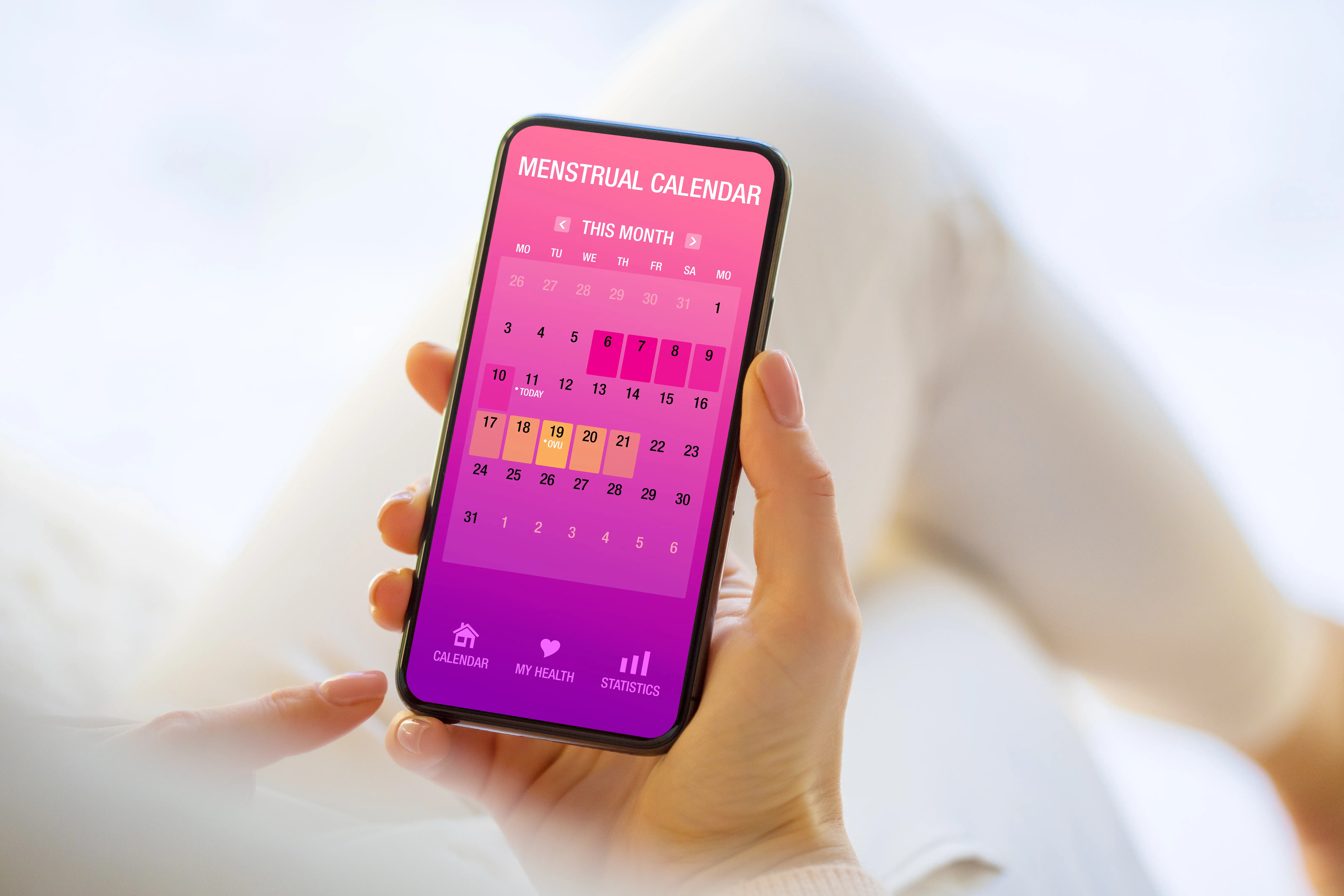
Over 100 million women worldwide use period tracking apps to monitor their menstrual cycles, fertility windows, and hormonal symptoms. With colorful interfaces and personalized predictions, these tools promise convenience, empowerment, and reproductive health awareness. However, beneath their polished exteriors lies a troubling reality—many of these apps are quietly collecting, sharing, or even selling users' intimate data.
Alarming Privacy Breaches Revealed
Investigations by privacy watchdogs and digital rights groups have uncovered that several period tracking apps transmit sensitive health data to third-party advertisers and analytics firms without proper user consent. This data often includes cycle dates, sexual activity, mood changes, pregnancy status, and more—information that can be misused in marketing, surveillance, or even legal contexts.
The Post-Roe Digital Panic
The overturning of Roe v. Wade in the U.S. has intensified scrutiny. Women’s health advocates warn that such data, if accessed by law enforcement or hostile actors, could potentially be used to monitor or criminalize reproductive choices. The concern is not hypothetical; in several cases, prosecutors have already requested digital evidence from health apps and social media in abortion-related investigations.
Opaque Policies and Dark Patterns
While some apps have improved transparency, many still use complex terms of service and privacy policies filled with legal jargon. Some apps nudge users to share data under the guise of personalization or product improvement. Users rarely realize the extent to which their data is monetized or stored in insecure databases that are vulnerable to hacking.
Global Regulatory Gaps Persist
Despite Europe’s GDPR and California’s CCPA, enforcement remains inconsistent. Outside the U.S. and EU, regulations on health data are often weak or nonexistent. Experts argue for period tracking apps to be treated as health tools rather than lifestyle apps, thereby holding them to stricter compliance standards and audit frameworks.
Steps Towards Safer Tracking
Digital rights organizations urge users to choose apps with end-to-end encryption, no data-sharing policies, and open-source platforms. Apps like Euki and Drip have gained traction as privacy-first alternatives. Until stricter legislation arrives, user awareness and informed choices remain the first line of defense.
Conclusion: The Need for a Feminist Tech Framework
Period tracking apps, often built and funded by male-dominated tech firms, expose the deeper issue of how technology often sidelines women's rights and safety. Advocates call for a feminist approach to tech design—one that centers bodily autonomy, informed consent, and ethical data use.