 TECH TIMES NEWS
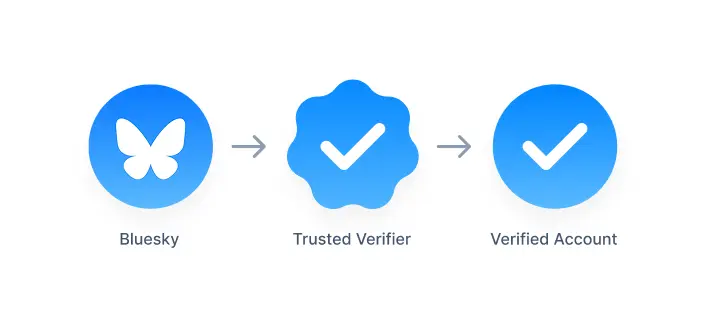
Bluesky, the decentralized social media platform backed by Twitter co-founder Jack Dorsey, has officially rolled out its long-awaited verification system, offering users a blue checkmark to signify authentic accounts. The move represents a major milestone in the platform's efforts to enhance trust and transparency in an increasingly fragmented digital ecosystem.
A New Chapter in Identity Verification
The newly launched verification feature allows users to obtain a blue checkmark by verifying their identity through domain ownership, government-issued identification, or affiliation with recognized organizations. According to Bluesky, the system is designed to strike a balance between decentralization and accountability—ensuring that real individuals and institutions can be distinguished from bots, impersonators, and anonymous trolls.
Unlike traditional social media giants that control verification through internal teams or opaque criteria, Bluesky's verification process is built around its decentralized framework. The platform uses open standards like the AT Protocol to enable verifications that are portable and interoperable across different services that connect to the network.
How It Works
Users can now opt-in to verification through their account settings. The platform provides several pathways:
-
Domain Verification: Users can link a domain they control to their profile, confirming their online identity through DNS records.
-
Government ID Verification: A partnership with third-party identity verification services allows individuals to authenticate using official identification documents.
-
Organizational Affiliation: Companies and institutions can verify accounts through organizational credentials, a feature aimed at journalists, public figures, and brands.
Once verified, the user’s profile displays a small blue checkmark badge—visibly confirming their authenticity to other users.
Why Now?
Bluesky has seen rapid growth over the past year, with a surge in new users seeking alternatives to mainstream platforms. As its user base expands, so too has the risk of impersonation and misinformation. According to Bluesky representatives, this verification system was developed in response to community feedback calling for more reliable identity signals, especially in public discourse.
"Verification is not about status—it’s about clarity," said Bluesky CEO Jay Graber in a statement. "In a decentralized world, giving users the tools to prove who they are empowers everyone to navigate information more safely."
Community Reactions
The announcement has drawn a mixed yet mostly positive response. Many users praised the transparency and flexibility of the system, especially its open approach to domain-based verification. Critics, however, raised concerns about the potential exclusion of users in regions where access to official documents or domain hosting may be limited.
Bluesky emphasized that the blue check is optional and that efforts are ongoing to make the verification system more inclusive and accessible.
Looking Ahead
The introduction of the blue check verification is part of Bluesky’s broader initiative to redefine how social media operates in a decentralized internet. With this rollout, the platform hopes to foster greater trust without compromising user autonomy or the open standards it was founded on.
As competitors like Mastodon and Nostr continue to explore their own identity solutions, Bluesky’s approach may set a precedent for the next era of verified communication on the open web.