 TECH TIMES NEWS
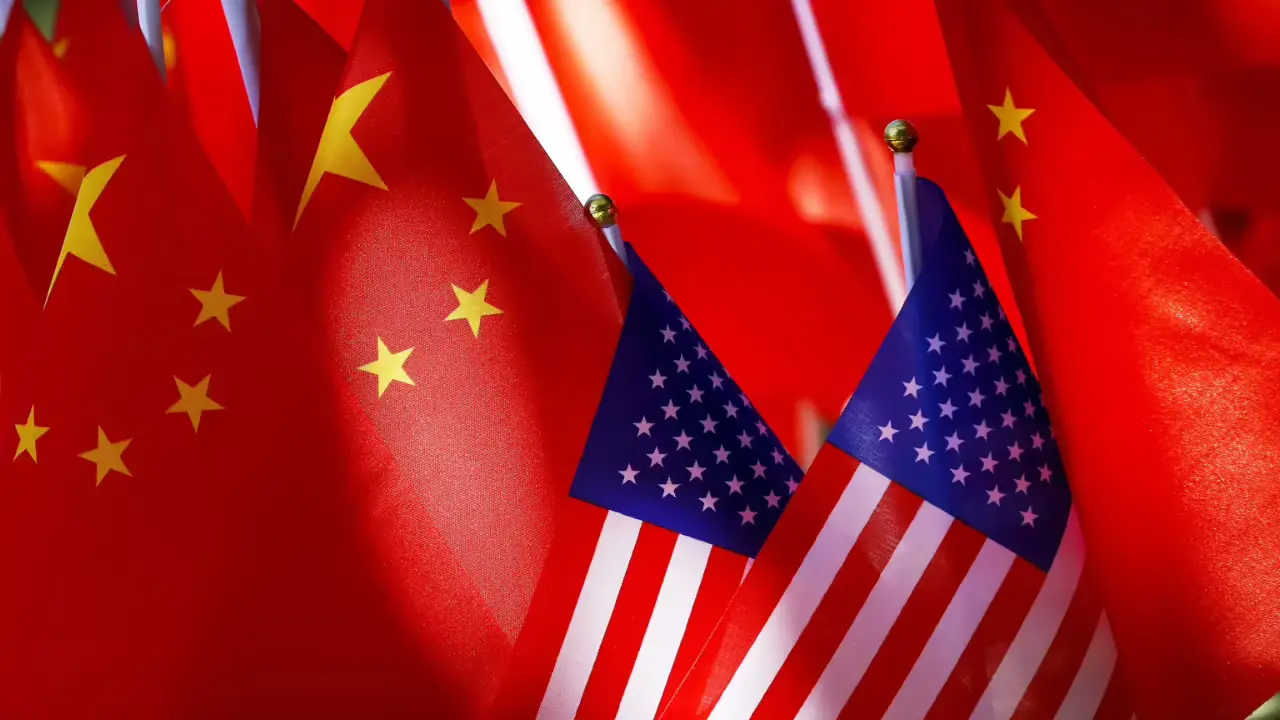
The Chinese government has strongly criticized recent U.S. policy actions on advanced semiconductor technologies and student visa controls, accusing Washington of breaching the delicate trade truce that has helped stabilize relations between the world’s two largest economies.
In a statement released late Monday, China's Ministry of Commerce condemned the Biden administration’s continued tightening of export restrictions on high-end chips and related equipment, alongside what Beijing described as “unjustified and discriminatory” visa denials for Chinese students pursuing science and engineering degrees in the United States.
“These measures seriously violate the consensus reached during the previous tariff negotiations,” the ministry said, referring to the trade détente agreed upon after years of tit-for-tat tariffs during the Trump administration. “Such actions go against the principles of fair trade and harm mutual trust that is essential for healthy bilateral cooperation.”
Rising Tensions Over Technology
Tensions over technology access have escalated in recent months as the U.S. has expanded its list of export restrictions targeting Chinese firms involved in artificial intelligence, quantum computing, and military-related R&D. The most recent round of sanctions, implemented last week, blocks the shipment of certain lithography machines and advanced GPUs to Chinese entities.
Washington says the restrictions are essential for national security, particularly to prevent the use of American technologies in China’s military modernization programs. However, Chinese officials argue that the moves amount to economic containment under the guise of security concerns.
“These decisions are not only harming Chinese enterprises but also disrupting the global supply chain,” the Chinese commerce ministry added.
Student Visa Scrutiny
In parallel with the export controls, U.S. consular officers have reportedly stepped up screening of Chinese nationals applying for student and research visas in STEM fields, leading to a rise in rejections and delays.
Chinese Foreign Ministry spokesperson Lin Jian called the student visa restrictions “a form of ideological discrimination” and an attempt to curb the flow of knowledge and innovation. “The United States is politicizing academic exchanges and undermining the educational rights of Chinese students,” Lin said at a press briefing in Beijing.
American officials have defended the enhanced scrutiny, pointing to instances of intellectual property theft and unauthorized technology transfers as justification for more rigorous background checks.
A Fragile Truce Under Strain
The recent developments risk derailing the trade truce brokered in early 2020, which paused further tariff escalations and laid out commitments for increased agricultural purchases and structural reforms. Although some tariffs remain in place, the agreement helped temper broader economic hostilities between the two powers.
Experts warn that continued friction in tech and education could reignite a full-blown trade war.
“This goes beyond tariffs now—this is a strategic rivalry over who controls the technologies of the future,” said Dr. Michael Anderson, an international trade expert at the University of Chicago. “China sees these moves as an attempt to suppress its rise, while the U.S. sees them as safeguarding its lead. The middle ground is narrowing.”
Call for Dialogue
Beijing has called for renewed high-level dialogue to resolve the disputes, urging the U.S. to “correct its wrongful practices” and return to the path of constructive engagement. It remains unclear whether Washington will respond favorably, as bipartisan pressure continues to mount for a tougher China policy.
As both sides harden their positions, the future of U.S.-China cooperation—in trade, science, and technology—hangs in the balance.