 TECH TIMES NEWS
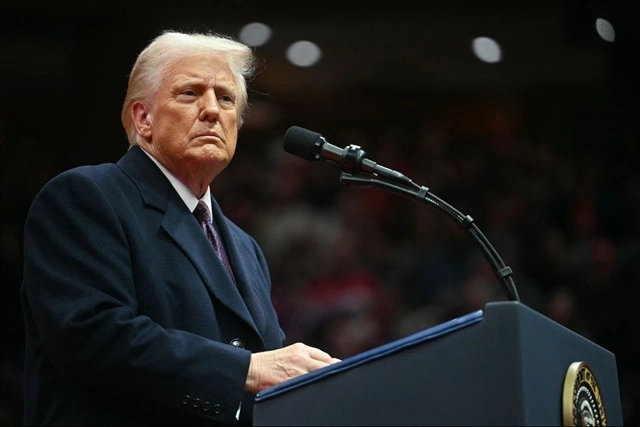
The Biden-Trump transitional trade team has confirmed that recently granted tariff exemptions for electronics imported from China are only a short-term measure, with new levies—particularly on semiconductor components—on the horizon.
U.S. Commerce Secretary Howard Lutnick announced on Sunday that the administration is preparing to impose new duties targeting chips and related electronics, despite a brief reprieve granted to some finished products like smartphones, laptops, and display panels. The exemptions, Lutnick said, were issued “in the interest of market stability” but do not reflect a change in the administration's overall trade stance.
Temporary Relief, Permanent Policy Shift
“These exemptions are not permanent,” Secretary Lutnick said during a weekend press conference. “We are giving American companies time to adjust before a broader rollout of semiconductor-specific tariffs. Our ultimate goal is to reduce strategic dependence on foreign suppliers and reclaim leadership in advanced manufacturing.”
The statement comes amid growing tensions between the U.S. and China over trade and technology policy. The new semiconductor tariffs, expected to be formally announced in May, could impact a wide range of products that use imported chips—including routers, electric vehicles, and even industrial control systems.
Wider Implications for the Tech Industry
Tech firms have expressed concern over the evolving tariff landscape. While some companies welcomed the temporary waiver on tariffs for key consumer devices, the looming chip duties have left many uncertain. Supply chain strategists say companies that depend on East Asian components may be forced to rethink sourcing, production timelines, and pricing strategies.
"Manufacturers will now face difficult decisions: either absorb the added costs or pass them on to consumers," said Elise Navarro, a trade analyst at the American Tech Policy Forum. “This isn't just about chips—this affects how the entire ecosystem functions, from R&D budgets to how quickly products hit the market.”
A Broader Industrial Push
The administration argues that these moves are part of a long-term industrial policy to strengthen domestic production. Several incentives under the CHIPS and Science Act of 2022 remain active, but officials now believe stronger trade measures are needed to complement them.
“This is a dual-track approach,” Lutnick said. “We are investing in U.S. capacity while also ensuring that foreign producers do not undercut those efforts through artificially low pricing or state subsidies.”
In particular, Chinese-made microchips are in focus as concerns mount over national security and economic resilience. The new measures are also seen as a political signal that Washington is prepared to confront Beijing on trade practices while attempting to bolster local jobs and innovation.
Global Reaction and Outlook
The announcement has already sparked reactions in global markets. Early Monday, shares of several chip-reliant firms dipped slightly as investors digested the possibility of increased input costs. Meanwhile, trade officials in Beijing called the policy “unilateral and disruptive,” though stopped short of threatening retaliatory measures.
As the U.S. prepares to implement this next wave of tariffs, businesses across sectors are bracing for the impact. With limited clarity on the timeline and structure of the coming duties, the next few weeks will be critical for companies operating at the intersection of technology and global trade.