 TECH TIMES NEWS
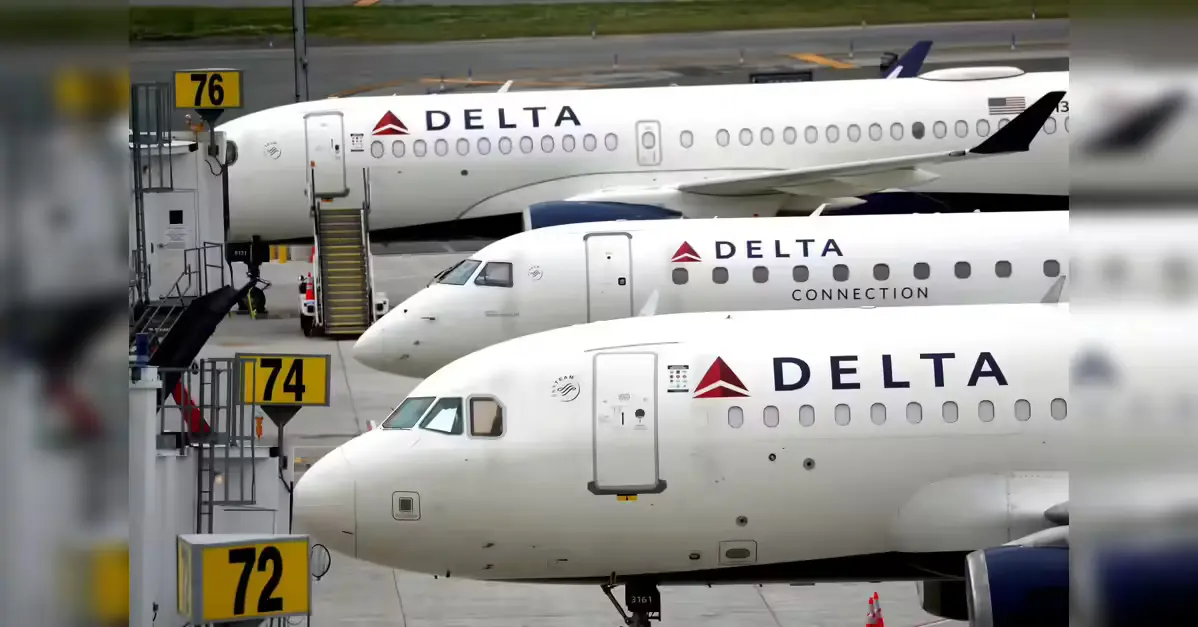
Delta Air Lines’ recent announcement to integrate artificial intelligence (AI) into its ticket pricing system has stirred significant controversy, with U.S. lawmakers expressing concern over potential consumer harm. The airline intends to use AI to optimize airfare costs based on a range of data inputs, aiming to maximize revenue while enhancing customer targeting.
Congressional Pushback on Pricing Fairness
Several members of Congress, including Senator Elizabeth Warren and Senator Josh Hawley, have raised alarms over the move. In a joint letter sent to Delta’s CEO Ed Bastian, lawmakers questioned whether AI-driven fare adjustments could result in unfair pricing practices—such as charging different prices to passengers based on personal data, search behavior, or demographics.
Transparency and Algorithmic Accountability Demanded
The letter demands transparency on how the AI models are trained, what data is used, and what safeguards are in place to prevent discriminatory pricing. Lawmakers fear that Delta's pricing system could replicate existing biases or manipulate consumer psychology to extract higher prices from less informed or urgent travelers.
AI and Consumer Privacy Concerns
Another focal point of criticism is the potential misuse of customer data. Legislators are seeking clarity on whether Delta’s AI will access passengers’ personal information, such as browsing history, location data, or past travel behavior, to calculate ticket prices. The concern echoes wider national debates on data privacy and AI ethics.
Delta Responds Amid Growing Pressure
In a brief statement, Delta confirmed its exploration of AI technologies to enhance its pricing mechanisms but asserted its commitment to “fair and transparent practices.” The airline stated that its goal is to provide “personalized offers” while complying with all applicable laws and ensuring customer trust. However, no detailed technical disclosures have yet been made public.
Broader Implications for the Airline Industry
Delta’s AI initiative represents a broader trend within the travel industry, where major carriers are experimenting with automation and machine learning to optimize operations. Yet, lawmakers warn that unchecked use of such technologies could erode consumer rights and deepen inequality, especially in essential services like air travel.
Regulators May Step In
Given the heightened scrutiny, it is likely that federal regulators such as the Department of Transportation or Federal Trade Commission may launch formal reviews or issue guidelines on the use of AI in fare setting. This could pave the way for new legal frameworks surrounding algorithmic pricing in transportation and other consumer industries.
Conclusion
As AI becomes a more integral part of business decision-making, companies like Delta are under increasing pressure to demonstrate ethical use of technology. The unfolding situation may well serve as a test case for how far U.S. lawmakers are willing to go in regulating artificial intelligence in consumer-facing sectors.