 TECH TIMES NEWS
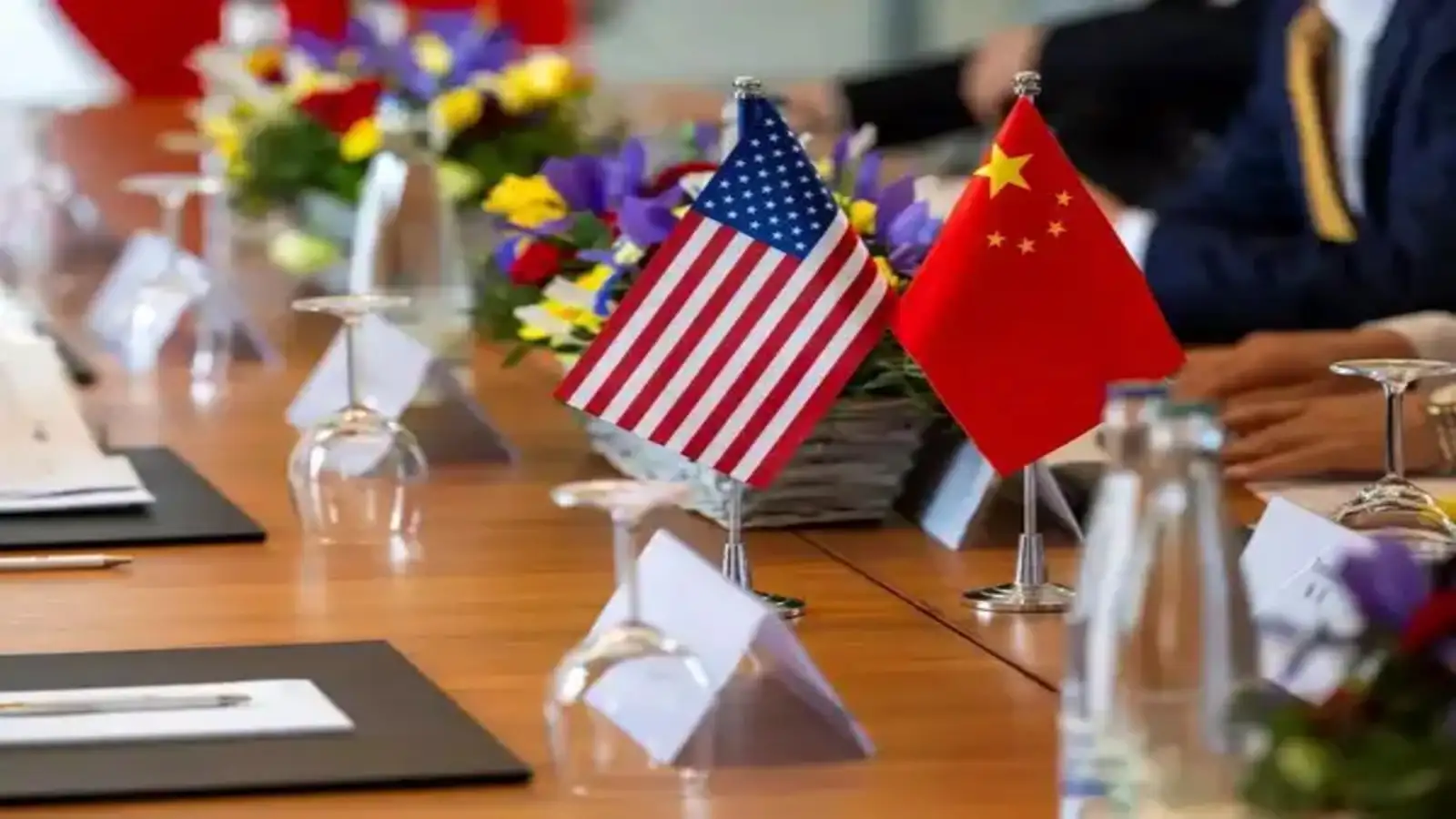
In an era where information can be rapidly disseminated — and just as quickly distorted — digital misinformation has once again proven its ability to shape geopolitical narratives. As the United States and China tentatively move toward a new phase of economic cooperation, the fragile trade truce between the world’s two largest economies is being tested not only by political complexities but by a barrage of misleading content circulating online.
Trade Truce in the Balance
Earlier this month, U.S. Treasury Secretary Janet Miller and Chinese Vice Premier Liu Qiang signed a preliminary agreement aimed at reducing tariffs and expanding market access for key sectors, including clean energy, semiconductors, and agricultural exports. The accord, touted as a “strategic stabilization” measure, follows years of escalating trade tensions and retaliatory tariffs that had disrupted global supply chains.
While the diplomatic overtures received cautious optimism from global markets, a wave of false narratives online began to muddy public perception almost immediately.
The Misinformation Surge
False claims began surfacing on social media platforms within hours of the truce announcement. One widely shared post alleged that the U.S. had secretly agreed to dismantle export controls on advanced AI chips — a claim debunked by both the U.S. Department of Commerce and independent policy analysts. Another viral video, doctored to resemble a leaked diplomatic briefing, falsely suggested that Chinese negotiators had “outmaneuvered” their U.S. counterparts to gain access to classified defense technology.
Cybersecurity experts believe much of the disinformation originated from coordinated bot networks and state-linked troll farms, though attribution remains under investigation.
“The velocity and volume of misinformation is staggering,” said Dr. Lena Park, a digital propaganda researcher at Georgetown University. “The goal is not just to spread lies, but to sow doubt about the legitimacy of the diplomatic process itself.”
Political Fallout
The misinformation campaigns have had real-world political consequences. In Washington, several lawmakers have cited false or exaggerated claims in their opposition to the truce. Senator James Holloway (R-TX) accused the Biden administration of “capitulating to Beijing’s surveillance regime,” a statement later flagged by fact-checkers as misleading.
In China, nationalist commentators on domestic platforms such as Weibo have painted the agreement as a “victory for Chinese resilience,” while simultaneously amplifying inaccurate portrayals of U.S. economic weakness.
This dual-messaging strategy, analysts say, is designed to stir domestic support while exacerbating divisions within the U.S. political landscape.
Social Media Under Scrutiny
The rapid spread of misinformation has renewed scrutiny on tech companies and their role in moderating international political discourse. While platforms such as X (formerly Twitter), Meta, and TikTok have implemented fact-checking partnerships and content labeling, critics argue the measures are insufficient.
“Automated systems can’t keep up with sophisticated disinformation campaigns,” said Carlos Mendoza, director of the Digital Ethics Institute. “We need stronger cross-platform coordination, especially when national security is at stake.”
The Road Ahead
Despite the turbulence, both U.S. and Chinese officials have reiterated their commitment to the agreement. However, they acknowledge that sustaining momentum will require not just policy coordination, but active management of the information environment.
“We’re not just negotiating trade deals,” said a senior U.S. diplomat who spoke on condition of anonymity. “We’re also fighting for truth in a digital battlefield.”
As the digital fog of war thickens, the success of the U.S.-China trade truce may depend as much on technological vigilance as on economic diplomacy.