 TECH TIMES NEWS
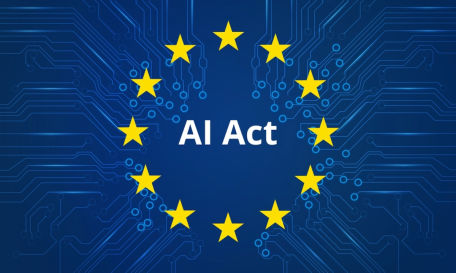
The European Union has affirmed that it does not plan to delay the enforcement of its much-anticipated AI Act, despite calls from some sectors of the tech industry for more time to prepare for compliance. The law, officially adopted in 2024, introduces the world’s first comprehensive legal framework governing artificial intelligence systems and is set to begin enforcement in stages starting in mid-2026.
Brussels Emphasizes Global Leadership in AI Governance
European Commission officials have reiterated that sticking to the timeline is essential for maintaining the EU's role as a pioneer in AI regulation. The AI Act classifies AI systems based on risk — ranging from minimal to unacceptable — and sets rigorous requirements for high-risk applications in fields like healthcare, transportation, and public services.
Code of Practice Expected in Late 2025
To help companies navigate the complex compliance requirements, the EU plans to release a voluntary code of practice by the end of 2025. This interim guidance is intended to act as a bridge between legislative adoption and full enforcement, allowing businesses to begin aligning their AI systems with EU standards ahead of the deadlines.
Industry Concerns Over Tight Timelines
While many tech stakeholders welcome the EU’s commitment to ethical AI, some industry leaders argue that the compliance timeline is too tight, especially for small and medium enterprises (SMEs). Critics warn that unclear guidance and insufficient technical infrastructure could lead to delays in implementation or uneven enforcement.
Global Implications for Tech Giants
The AI Act will have implications far beyond Europe’s borders. Global tech companies offering AI services within the EU will need to ensure their systems meet EU standards or face steep penalties. This extraterritorial effect positions the EU as a de facto global regulator of AI practices, similar to the role it played with GDPR.
Conclusion: No Delay, But Help is Coming
In conclusion, despite mounting pressure and technical complexity, the EU remains committed to its AI Act timeline. Companies can expect support through guidelines and technical resources, but not additional time. The next year will be critical as businesses prepare to meet the world's most ambitious AI regulatory framework.