 TECH TIMES NEWS
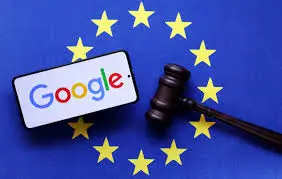
The European Union has launched a formal inquiry into Apple, Google, and Microsoft, questioning their roles in enabling the spread of financial scams across their platforms. Regulators are seeking detailed information on how these companies monitor, detect, and remove fraudulent advertisements, apps, and websites that deceive consumers.
Growing Concern Over Consumer Protection
Officials in Brussels highlighted a surge in online financial fraud, including crypto scams, phishing attempts, and fake investment schemes. EU regulators argue that despite repeated warnings, major tech platforms are still not doing enough to safeguard citizens from high-risk content. The inquiry underscores growing pressure on tech firms to take accountability for harmful activities occurring under their ecosystems.
DMA and DSA Frameworks in Action
The move comes under the framework of the Digital Services Act (DSA) and the Digital Markets Act (DMA), which aim to enforce stricter transparency and consumer protection standards. The EU has demanded that Apple, Google, and Microsoft provide evidence of compliance measures, including content moderation, advertising transparency, and cooperation with law enforcement.
Tech Giants Respond Cautiously
Apple, Google, and Microsoft have acknowledged the EU’s request and are preparing responses. While the companies emphasize their commitment to user safety, critics argue that their platforms remain fertile ground for scammers exploiting digital loopholes. Industry experts note that stricter regulations and penalties could follow if their efforts are found inadequate.
What Comes Next?
The EU has set a deadline for the companies to submit their reports, after which further regulatory actions may be taken. This investigation could set a precedent for how global regulators address financial fraud in the digital economy, potentially reshaping the responsibilities of Big Tech in consumer protection.