 TECH TIMES NEWS
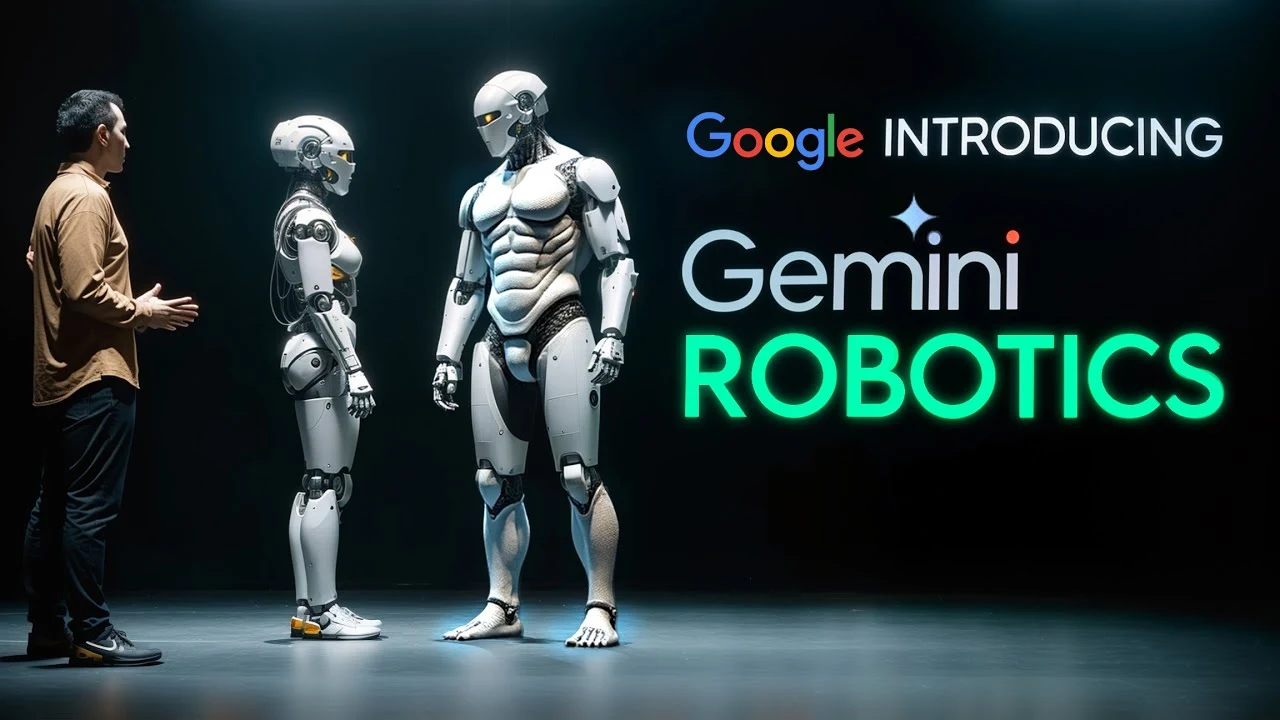
Google DeepMind has introduced a powerful new on-device robotics model designed to give robots greater autonomy and intelligence without relying heavily on cloud processing. This breakthrough model, named AutoRT, was developed to allow robots to perform complex tasks locally using advanced AI capabilities. It represents a key milestone in deploying AI-powered robots that are smarter, faster, and more responsive to real-world environments.
AutoRT: The Core of the Innovation
AutoRT is based on a lightweight, highly optimized version of DeepMind’s robotics vision-language models. It enables robots to interpret instructions, recognize objects, and take action using only the computational power available on the device. This means robots equipped with this model can function effectively even in environments with limited internet connectivity or strict data privacy needs.
Privacy, Speed, and Edge Functionality
One of the key advantages of this model is its on-device nature, which enhances user privacy and reduces latency. Tasks such as home cleaning, object sorting, or assisting the elderly can now be performed more safely and efficiently. By processing data locally, the risk of sensitive information being transmitted over the internet is significantly reduced.
Training at Scale, Deployment at the Edge
DeepMind trained the model on an extensive dataset of robot interactions using both real and simulated environments. Combined with reinforcement learning techniques, the AI can generalize instructions and adapt to new scenarios. The model is small enough to run on mobile chips found in consumer electronics and is expected to open new possibilities in smart home devices and service robotics.
The Future of On-Device Robotics
This development marks a critical shift in AI deployment — bringing the power of large models from the cloud to the edge. Google DeepMind believes that making robotics models portable and privacy-conscious will accelerate their integration into everyday life, from domestic chores to industrial automation. The technology is currently being tested across multiple platforms and could see commercial rollout in the near future.