 TECH TIMES NEWS
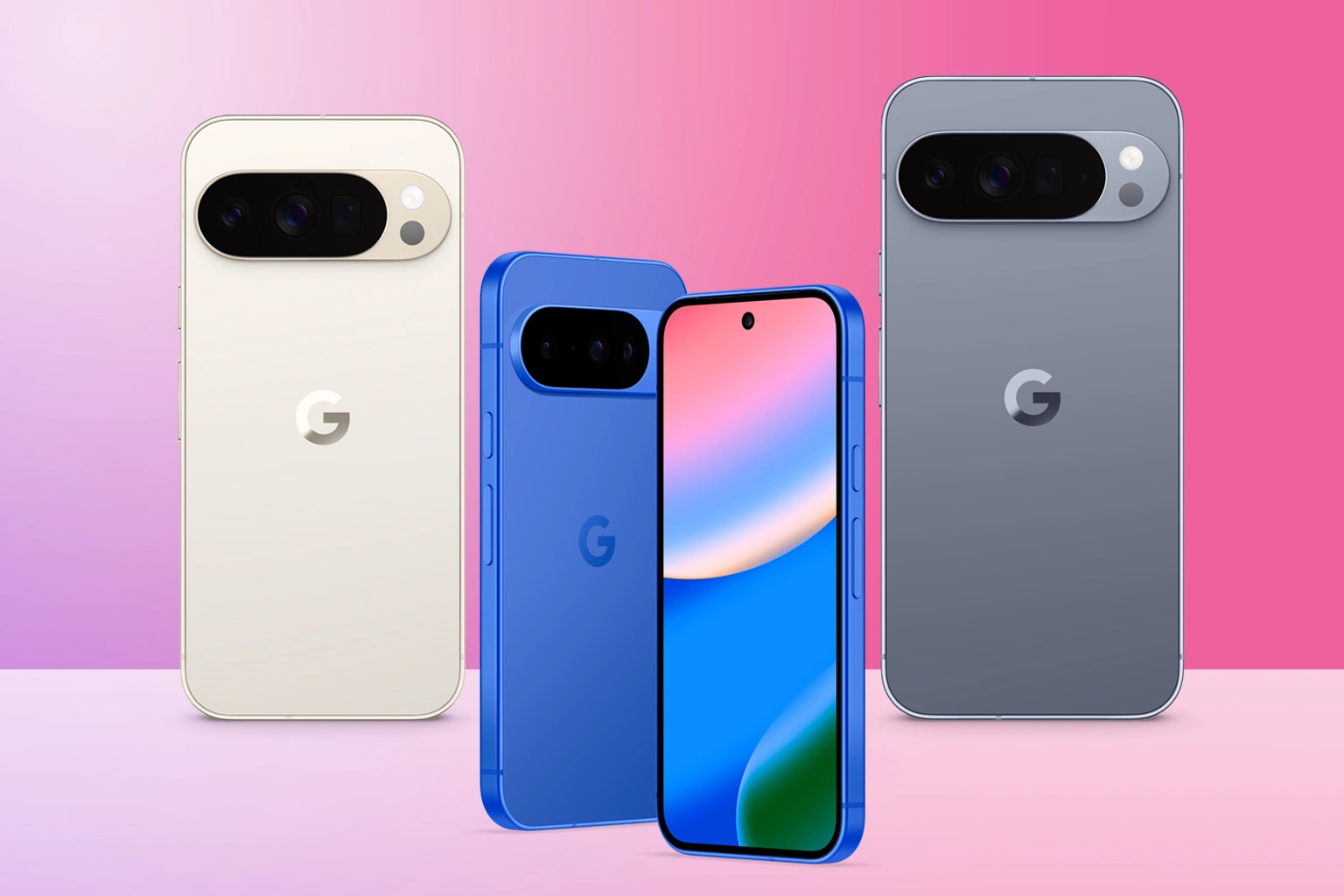
Google has officially launched its Pixel 10 lineup, making artificial intelligence the centerpiece of its newest smartphones. The Pixel 10, Pixel 10 Pro, and Pixel 10 Pro XL are powered by the Tensor G5 processor, designed to handle complex AI workloads directly on-device. This approach not only speeds up performance but also enhances privacy, as many tasks are executed without cloud dependency.
AI as the Core Identity
Unlike traditional upgrades focused on hardware specs alone, Google has positioned the Pixel 10 series as AI-first devices. From smarter photo editing to real-time transcription, live translation, and AI-driven task automation, the phones aim to make everyday usage more seamless. A standout feature includes personalized assistance, where the device learns user patterns and proactively suggests actions before the user asks.
A Jab at Apple’s Siri Struggles
In its launch presentation, Google did not shy away from indirectly highlighting the limitations of Apple’s Siri, which has often been criticized for lagging behind competitors in natural language understanding and flexibility. With the Pixel 10’s upgraded AI assistant, capable of handling more contextual and multi-step requests, Google is attempting to demonstrate how far ahead it is in conversational intelligence. This signals a direct rivalry with Apple, especially as iPhone users continue to demand smarter AI features.
Hardware Meets Software Intelligence
The Pixel 10 Pro models boast high-refresh-rate OLED displays, advanced camera systems with AI-driven computational photography, and improved battery efficiency. However, Google emphasized that hardware is now secondary to intelligence, with AI being the defining factor for the future of smartphones.
AI Arms Race in Smartphones
With the Pixel 10 series, Google is effectively challenging not only Apple but also Samsung and other Android makers to accelerate their AI roadmaps. Industry experts suggest that this shift could mark a new phase in the smartphone wars—where success is no longer determined by megapixels or processors, but by how smart and adaptive the devices truly are.