 TECH TIMES NEWS
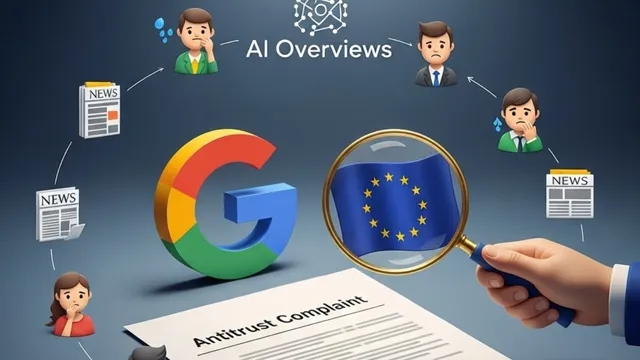
Google’s recently launched AI Overviews feature is drawing legal fire from a coalition of independent European publishers who allege that the tool scrapes and reuses their original content without permission, proper attribution, or compensation. The feature, which appears prominently in Google search results, summarizes answers using AI — often relying on information sourced from news websites, blogs, and other online publications.
Formal Complaint Lodged with European Commission
On July 4, the European Innovative Media Publishers group formally submitted an antitrust complaint to the European Commission, accusing Google of undermining fair competition. The group, representing over 30 digital news outlets across the EU, argues that the Overviews tool diminishes website traffic and ad revenue, effectively diverting readers away from original sources.
The complaint could trigger a formal investigation under the Digital Markets Act (DMA) — the EU’s powerful regulatory tool to rein in dominant tech platforms, including designated “gatekeepers” like Google.
Publishers Accuse Google of Content Misappropriation
At the heart of the complaint is the claim that Google's AI tools are exploiting publisher content to generate answers, summaries, and recommendations — without licensing agreements or benefit to the original creators. This, the group argues, violates competition law by using their intellectual property to reinforce Google's dominance in search and digital advertising.
The publishers claim they are left with "no meaningful choice" but to allow Google’s crawling of their content, fearing disappearance from search results entirely if they opt out.
Google’s Response and EU’s Regulatory Stance
Google has defended its AI Overviews feature, stating that it’s designed to help users find information faster while still providing links to relevant sources. A spokesperson emphasized that the company is actively working with news publishers to ensure visibility and fairness in the search experience.
However, European regulators are increasingly skeptical. Margrethe Vestager, EU competition chief, has previously warned that generative AI models must not be used to sidestep existing digital rules. Under the DMA, the EU can enforce major structural changes or levy hefty fines — up to 10% of global annual turnover.
Broader Implications for AI and Digital Media
This latest complaint adds to growing concerns that generative AI, while innovative, may erode traditional media business models. With tech giants like Google, Microsoft, and OpenAI integrating AI into search and productivity tools, publishers globally are calling for urgent reforms to ensure fair treatment and compensation.
The outcome of this complaint could set a precedent for how AI-generated content is governed and how digital platforms are held accountable for the sources they use.