 TECH TIMES NEWS
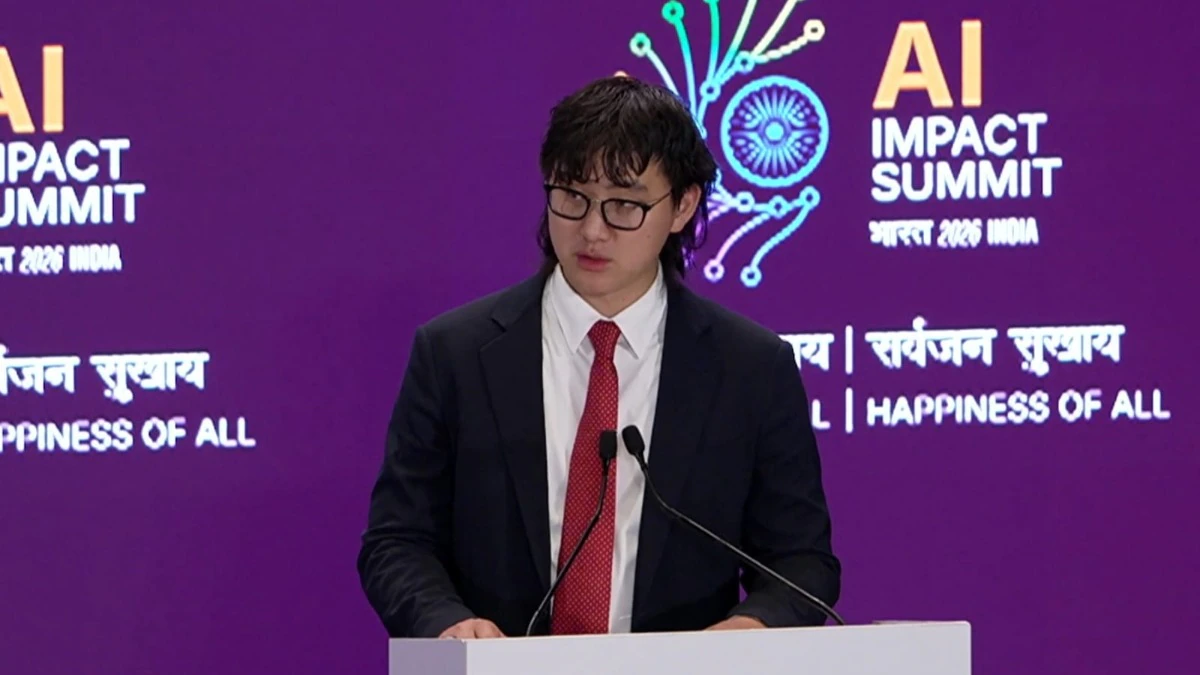
On Day 4 of the India AI Summit 2026, Meta executive Alexandr Wang delivered a powerful message emphasizing the need for closer collaboration between governments and private enterprises to ensure responsible and accelerated AI innovation. Speaking before policymakers, tech leaders, researchers, and startup founders, Wang stressed that the rapid evolution of artificial intelligence demands alignment rather than fragmentation.
He noted that AI development today is happening at an unprecedented pace and requires both regulatory foresight and technological agility. “Public institutions and private innovators must be on the same side,” Wang said, highlighting that cooperative frameworks are essential to unlock AI’s full economic and societal potential.
Balancing Innovation with Regulation
Wang underscored the importance of regulatory clarity in fostering innovation. According to him, governments must establish transparent policies that encourage experimentation while maintaining guardrails for safety and ethics. He acknowledged India’s growing role in shaping global AI governance discussions and praised the country’s proactive approach toward building digital public infrastructure.
Industry leaders at the summit echoed similar sentiments, pointing out that uncertainty in compliance norms can slow investment and development. Wang argued that predictable policy environments will enable companies to invest confidently in long-term AI research and infrastructure.
India’s Strategic AI Position
The summit highlighted India’s expanding AI ecosystem, from homegrown startups to large-scale data infrastructure projects. Wang recognized India’s vast developer base and data talent pool as a significant competitive advantage. He suggested that India can position itself as a global AI hub by fostering innovation-friendly policies and promoting cross-sector partnerships.
Speakers also discussed India’s public digital platforms as potential enablers of AI deployment in sectors such as healthcare, agriculture, education, and financial services. Wang emphasized that collaboration between state agencies and technology firms could accelerate real-world AI implementation at scale.
Focus on AI Safety and Workforce Development
Another key theme of Day 4 was workforce readiness. Wang stressed the need to invest in AI literacy, skilling programs, and research collaborations between academia and industry. He noted that AI transformation is not just about algorithms but also about preparing societies for technological shifts.
The discussion also touched upon AI safety and transparency. Wang advocated for shared standards, open dialogue, and continuous testing to ensure that AI systems remain trustworthy and aligned with human values.
Global Implications of India’s AI Push
As global competition in AI intensifies, the India AI Summit continues to serve as a platform for strategic dialogue. Wang’s remarks reflect a broader international consensus: AI progress cannot be siloed. Instead, it requires joint stewardship across borders and sectors.