 TECH TIMES NEWS
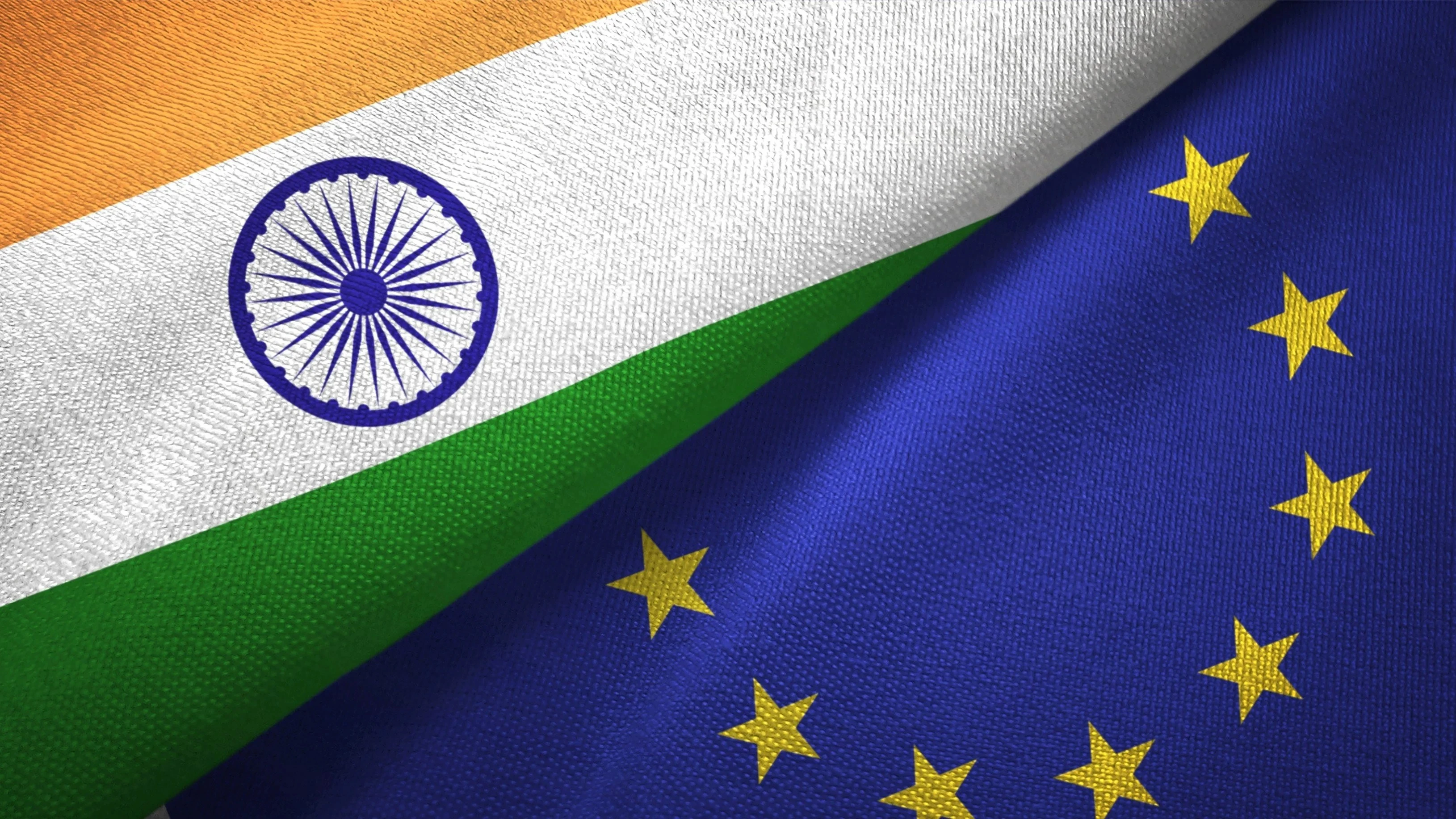
The long-negotiated India–European Union Free Trade Agreement (FTA) is entering a decisive new phase, shifting its focus beyond conventional market access and supply-chain resilience. Policymakers on both sides are now positioning the agreement as a strategic technology partnership, with advanced semiconductors and artificial intelligence (AI) at its core.
This evolution reflects a shared recognition that future economic competitiveness will be shaped less by goods movement alone and more by joint innovation, research capabilities, and digital governance.
Joint R&D Takes Center Stage in Semiconductor Strategy
A major breakthrough under the proposed framework is the formal commitment to operationalise joint research and development in advanced semiconductor integration. Rather than limiting cooperation to fabrication or assembly, the agreement emphasizes collaborative work on next-generation chip design, heterogeneous integration, and advanced packaging technologies.
For India, this aligns with its ambitions to move up the semiconductor value chain. For the EU, it offers access to a rapidly growing engineering talent pool and complementary manufacturing ecosystems, helping reduce strategic dependencies in critical technologies.
Bridging AI Governance Across Continents
Another landmark element of the agreement is the institutional linkage between the European AI Office and India’s National AI Mission. This connection is expected to facilitate structured dialogue on AI standards, safety frameworks, and ethical deployment, while also enabling joint pilot projects and research exchanges.
By aligning regulatory thinking early, both partners aim to avoid fragmented AI governance and foster interoperable systems that support innovation without compromising public trust.
Strategic Response to Global Tech Realignments
The expanded scope of the India–EU FTA comes amid intensifying global competition over semiconductors and AI leadership. As geopolitical uncertainties disrupt traditional technology supply routes, India and the EU are seeking to build a resilient, rules-based partnership rooted in shared democratic values and long-term technological cooperation.
Officials familiar with the negotiations describe the agreement as a template for “technology-enabled trade diplomacy,” blending economic objectives with innovation security.
What Comes Next
While formal timelines are still under discussion, experts expect working groups on semiconductors and AI to be among the first operational outcomes once the agreement advances. If implemented effectively, the FTA could redefine India–EU relations—from transactional trade engagement to a sustained innovation alliance.