 TECH TIMES NEWS
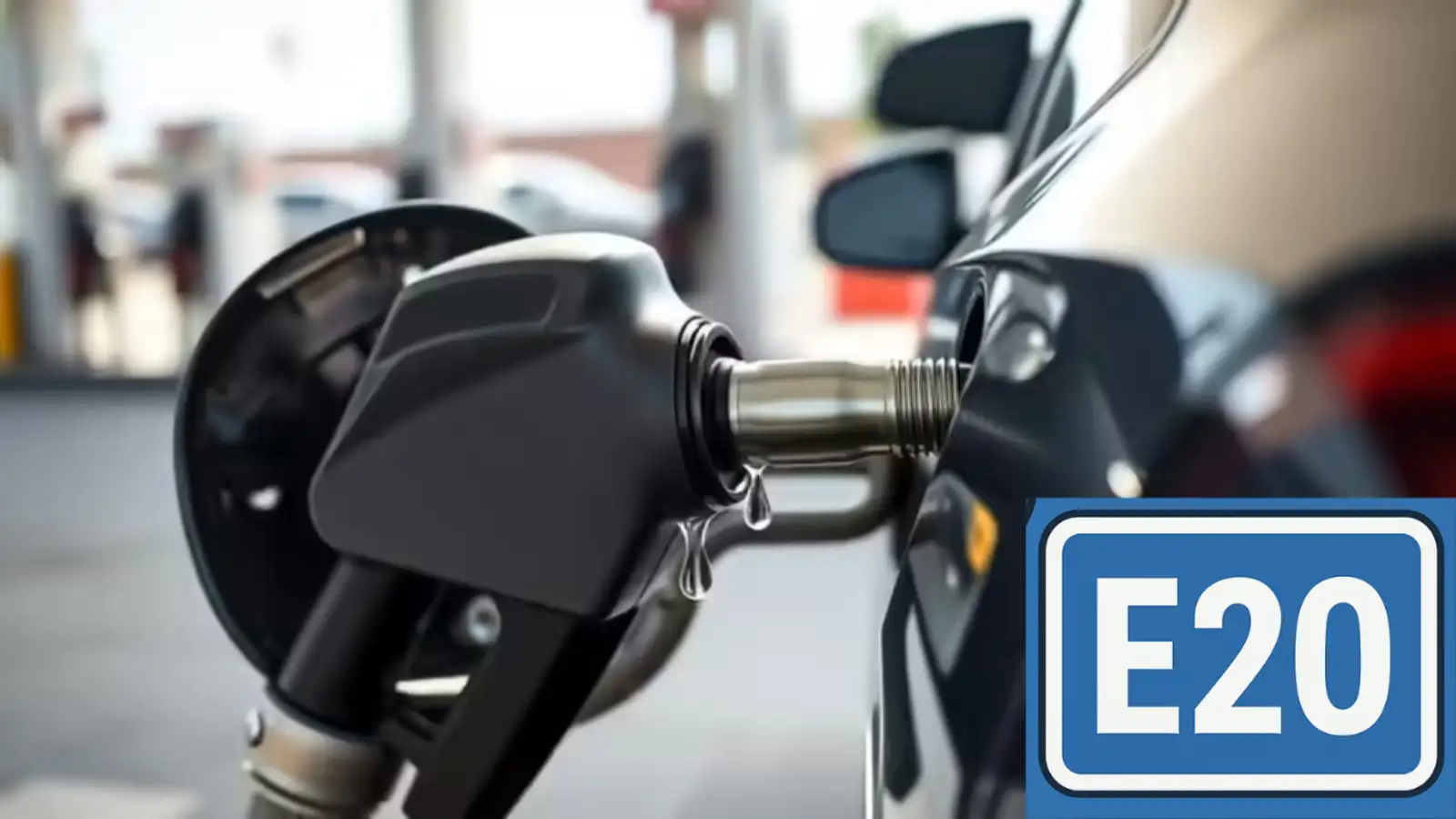
India’s ambitious plan to cut crude oil imports and curb emissions by blending ethanol into petrol is facing unexpected resistance. While the government aims to achieve 20% ethanol-blended fuel (E20) nationwide by 2025, drivers and automakers are raising red flags about performance, mileage, and engine compatibility.
Drivers Complain of Higher Fuel Consumption
Consumers across major cities have begun voicing complaints that ethanol-mixed petrol reduces mileage compared to standard petrol. Many drivers claim their vehicles require refueling more often, increasing overall running costs despite the government’s assertion of long-term savings. Some motorists have also reported issues like rough engine idling and higher maintenance needs.
Carmakers Struggle to Adapt
The sudden shift has caught automobile manufacturers off-guard. While newer vehicles are being engineered to handle E20 fuel, most existing cars on Indian roads were designed for lower ethanol blends (E10 or less). Carmakers warn that older engines may suffer faster wear and tear, leading to costly repairs. Industry insiders reveal that R&D teams are rushing to develop ethanol-compatible technologies, but large-scale adaptation will take time.
Balancing Environment and Economy
The government maintains that ethanol blending is crucial for reducing carbon emissions and supporting farmers who supply sugarcane and corn for ethanol production. However, auto industry experts argue that the rollout needs a more phased and consumer-friendly approach. They stress that without addressing driver concerns, the policy risks creating a trust deficit among vehicle owners.
The Road Ahead
India is not alone in this transition—countries like Brazil and the U.S. have long adopted ethanol-mixed fuels. However, India’s vast number of older vehicles and varying climatic conditions present unique challenges. Policymakers are now under pressure to strike a balance between environmental goals, consumer acceptance, and industrial preparedness.