 TECH TIMES NEWS
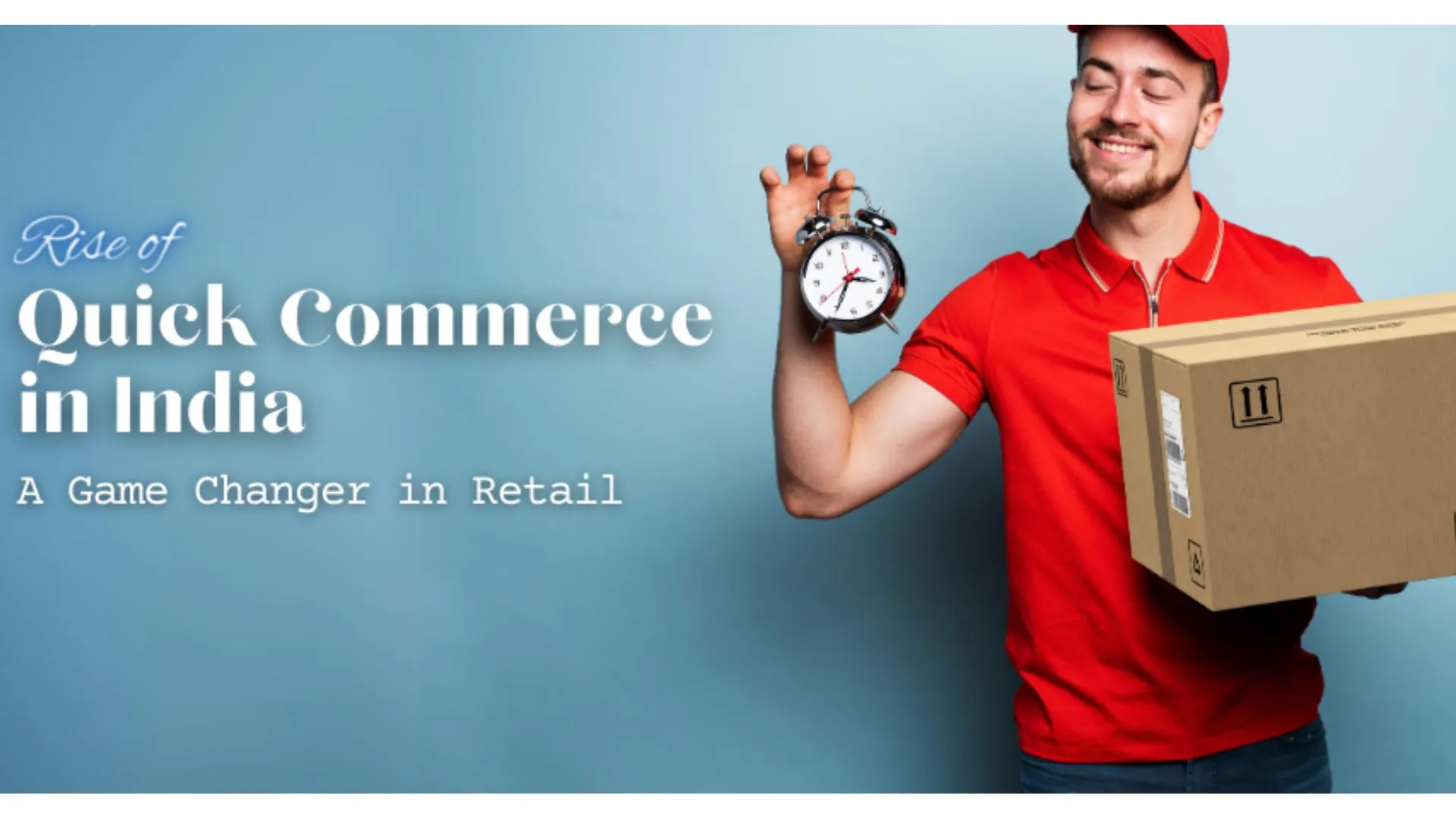
India’s quick commerce sector is experiencing a meteoric rise, accounting for nearly two-thirds of all e-grocery orders in 2024, according to a recent industry report. The shift highlights changing consumer habits, with an increasing preference for ultra-fast deliveries and digital convenience.
Surge in Demand for Quick Commerce
The report, released by a leading market research firm, states that platforms specializing in rapid deliveries—such as Blinkit, Zepto, and Swiggy Instamart—dominated the e-grocery space last year. Quick commerce, which promises delivery within 10 to 30 minutes, gained widespread popularity among urban consumers, particularly in metropolitan cities like Delhi, Mumbai, Bengaluru, and Hyderabad.
The study estimates that India’s quick commerce market grew by over 80% in 2024 compared to the previous year. Traditional e-grocery players, including BigBasket and Amazon Fresh, also expanded their instant delivery services to remain competitive in this fast-paced segment.
Factors Driving Growth
Several factors have contributed to the boom in quick commerce:
-
Changing Lifestyles: Consumers, particularly young professionals and urban households, increasingly prefer instant access to groceries and essentials over weekly bulk shopping.
-
Technological Advancements: AI-driven inventory management and hyperlocal warehouse networks have made it feasible for companies to fulfill orders in record time.
-
Increased Investments: Venture capital funding and corporate backing have allowed companies to expand their reach and improve operational efficiency.
-
Consumer Convenience: The appeal of avoiding long supermarket queues and receiving fresh produce within minutes has driven widespread adoption.
Challenges and Competition
Despite its rapid expansion, the quick commerce sector faces challenges such as high operational costs, thin profit margins, and logistical hurdles. Industry experts warn that sustaining ultra-fast deliveries at scale requires constant innovation and efficiency improvements. Additionally, competition among key players is intensifying, leading to aggressive discounting strategies and service enhancements to attract more customers.
Future Outlook
Industry analysts predict that quick commerce will continue its upward trajectory in 2025, with newer players entering the market and existing ones refining their models. Expansion into smaller cities and rural areas could be the next frontier, driven by increasing smartphone penetration and digital payment adoption.
As consumer behavior continues to evolve, quick commerce is set to redefine the grocery retail landscape in India, offering unparalleled convenience and speed. The sector’s growth trajectory signals a new era in digital commerce, one that prioritizes instant gratification and seamless shopping experiences.