 TECH TIMES NEWS
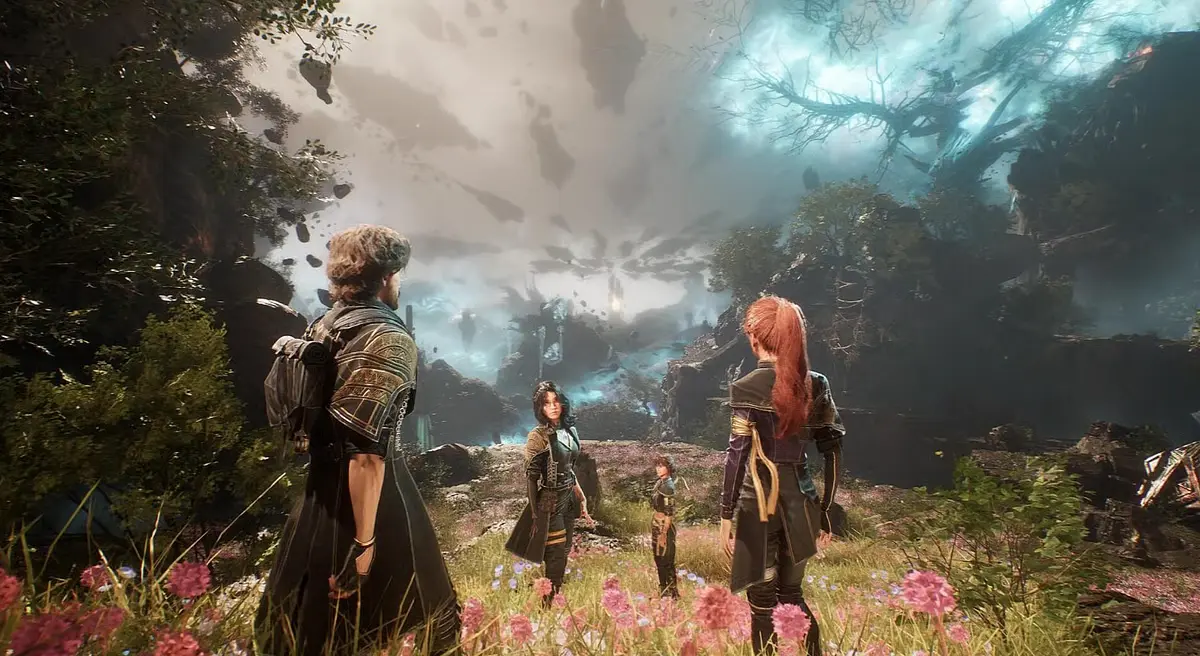
The indie gaming community has been shaken after Clair Obscur: Expedition 33 lost its Game of the Year title at the Indie Game Awards, following revelations that generative AI tools were used during parts of its development. The decision has reignited debates around transparency, ethics, and AI’s place in creative industries.
Award Win Turned Short-Lived Triumph
Clair Obscur: Expedition 33, developed by French studio Sandfall Interactive, was initially celebrated for its striking art direction, turn-based combat system, and emotionally driven narrative. Its Game of the Year win was widely praised as a major success for indie developers pushing artistic boundaries.
However, the victory proved short-lived. Within days of the announcement, concerns surfaced online regarding the use of generative AI-assisted content, prompting the award committee to initiate a formal review.
Generative AI Use Sparks Industry Backlash
According to statements released by the Indie Game Awards organizers, the development team disclosed that AI tools were used in concept art generation and early visual prototyping. While these elements were reportedly refined by human artists later in development, the disclosure conflicted with the event’s eligibility guidelines, which require finalists to declare AI involvement clearly and in advance.
The omission led to accusations of insufficient transparency rather than outright wrongdoing, but the organizers maintained that rules must be enforced consistently.
Official Statement From Indie Game Awards
In a public announcement, the Indie Game Awards confirmed the retraction, stating that while they recognize the creative effort behind Clair Obscur: Expedition 33, the project did not fully comply with disclosure policies regarding AI-assisted tools. As a result, the Game of the Year title has been formally withdrawn and reassigned.
The organizers emphasized that the decision was not a judgment on the game’s quality, but rather a procedural enforcement aligned with their evolving stance on AI in game development.
Developer Response and Community Reaction
Sandfall Interactive responded by acknowledging the oversight and expressing disappointment over the outcome. The studio reiterated that AI was used strictly as a support tool, not as a replacement for human creativity, and confirmed plans to improve disclosure practices in future projects.
The gaming community remains divided. Some players argue that AI-assisted workflows are becoming industry standard and should not disqualify games, while others believe strict rules are necessary to protect creative labor and artistic integrity.
A Turning Point for AI Policies in Gaming
The incident highlights a broader industry challenge as developers increasingly adopt AI-driven tools. Awards bodies, publishers, and storefronts are now under pressure to clearly define what constitutes acceptable AI use and how it should be disclosed.
As AI technology becomes more deeply integrated into game production pipelines, Clair Obscur: Expedition 33’s controversy may serve as a landmark case influencing future award criteria and ethical standards across the gaming world.